Introduction and Botanical Identity
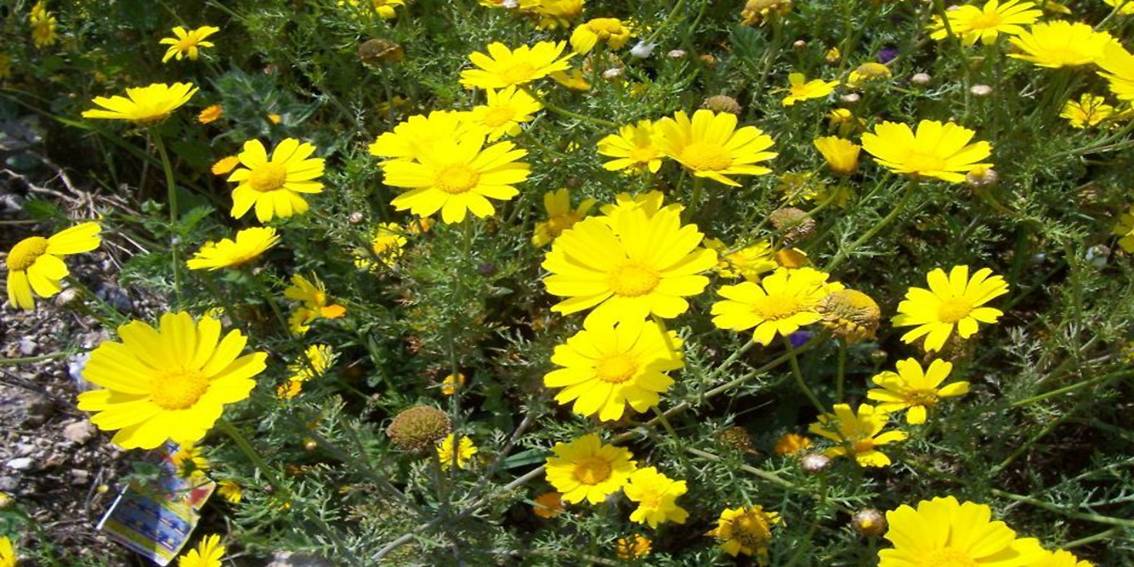
The Wild Crown Daisy paints the Cypriot countryside in brilliant shades of gold each spring. This cheerful flower, scientifically known as Glebionis coronaria, belongs to the daisy family (Asteraceae). Many older sources still refer to it by its former name, Chrysanthemum coronaries. The plant grows as an annual, completing its entire life cycle in one season and returning each year from seed. It is native to the Mediterranean region, including Cyprus, and has spread across the globe from Asia to the Americas.
Local Names and Cultural Traditions
The Crown Daisy holds a special place in Cypriot culture, reflected in its local names. Villagers traditionally call it “Lazaros” (Λάζαρος). On St. Lazarus Day, people pick the bright yellow flowers to dye hard-boiled eggs yellow in preparation for Easter celebrations. Another local name, “similloudin” (σημιλλούδι) or “simillouin,” also refers to this beloved wildflower.
Physical Description and Appearance
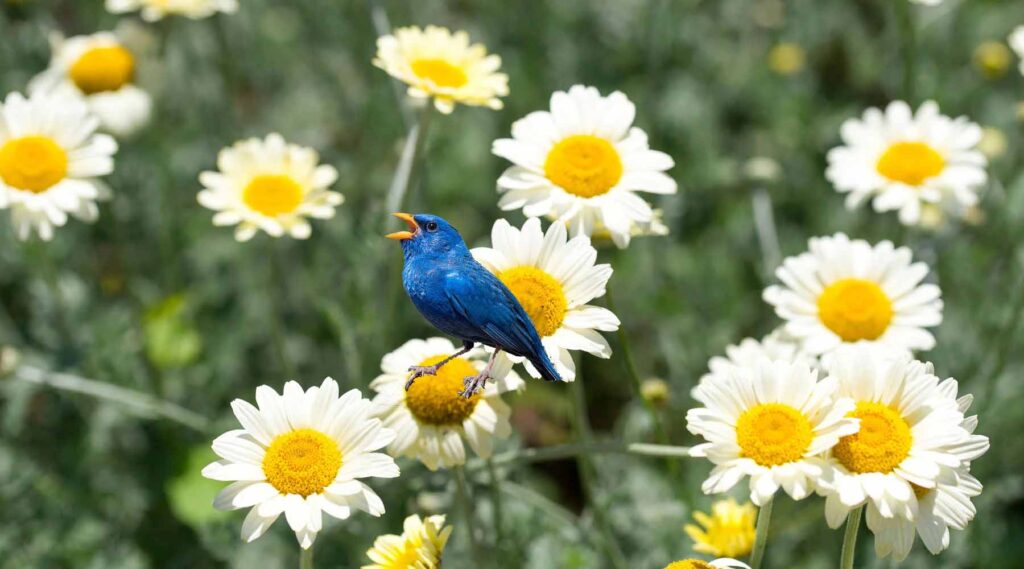
The Crown Daisy typically stands 30 to 80 centimetres tall. Its leaves are deeply divided and aromatic, with a bipinnate structure that gives them a feathery, delicate appearance. The flower heads measure 3 to 6 centimetres across and feature two types of florets. Bright yellow ray florets, which look like classic daisy petals, surround a dense central disc of smaller yellow tubular florets. The plant produces ribbed seeds (achenes) that lack the fluffy pappus common to many daisy family members.
Habitat and Abundance in Cyprus
This hardy wildflower thrives across the Cypriot landscape. It covers fields, roadsides, and archaeological sites with masses of golden blooms from late February through April. The Crown Daisy grows particularly abundantly after rainy winters, transforming the island’s hills and meadows into a sea of orange and yellow. Visitors to ancient sites like Salamis will often see these flowers carpeting the ruins, creating a stunning contrast between history and vibrant new life.
Uses and Culinary Applications
Beyond its beauty, the Crown Daisy serves practical purposes. People can eat the young leaves and stems as a leafy vegetable, using them in salads, soups, and stir-fries. The plant contains beneficial minerals and vitamins, including potassium and carotene. Traditional Cypriot villagers also made an infusion from the flower heads to treat intestinal complaints, and they used oil from the plant for skin conditions and rheumatism. In Asian cuisines, particularly Korean and Japanese cooking, the greens remain a popular ingredient today.