A Cheerful Wildflower of Open Spaces
The Wild Field Marigold flower brings a burst of golden colour to meadows, roadsides, and cultivated fields across Europe and beyond. Known by various names including field marigold and wild marigold, this charming plant belongs to the daisy family (Asteraceae). Its bright, sunny blossoms have earned it a special place in both natural landscapes and traditional medicine.
Scientific Classification and Names
The genus name Calendula derives from the Latin word for ‘calendar’ or ‘little calendar’, possibly referring to its long flowering period that spans many months. The species name arvensis comes from Latin, meaning ‘of the field’, perfectly describing its preferred habitat. Across Europe, different cultures have their own names: in French it is souci des champs, in German Acker-Ringelblume, and in Italian fiorrancio salvation. In Cyprus, the Wild Field Marigold (Calendula arvensis) is known by the name “kalentoúla” (καλεντούλα) .
This name is used in the context of traditional medicine on the island, specifically referring to the flowers of this plant for medicinal purposes. The scientific confirmation that Calendula arvensis is native to Cyprus further supports its local presence and traditional use.
Identifying Features
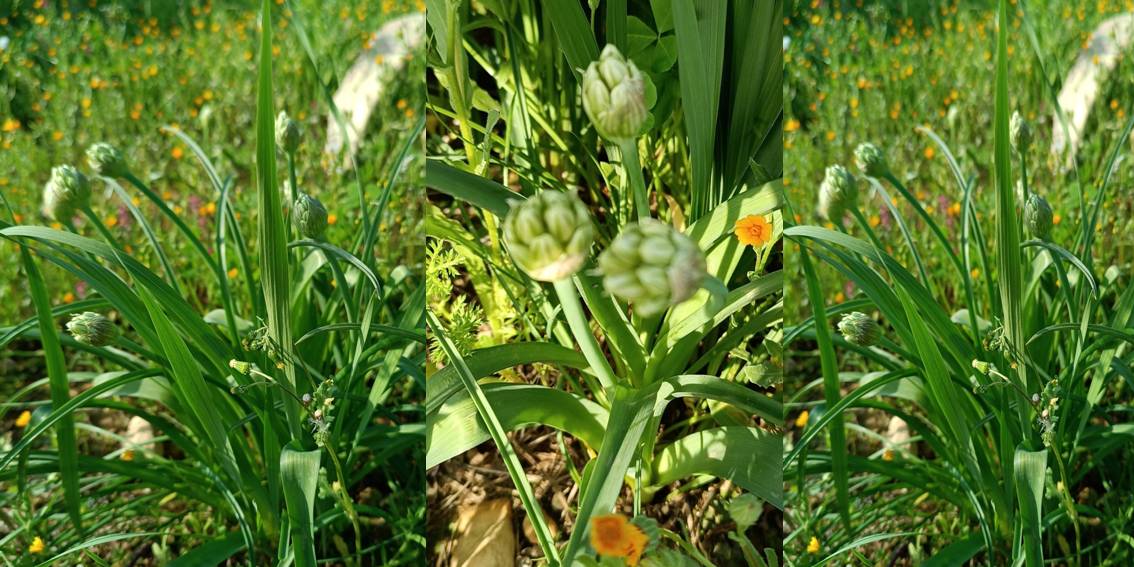
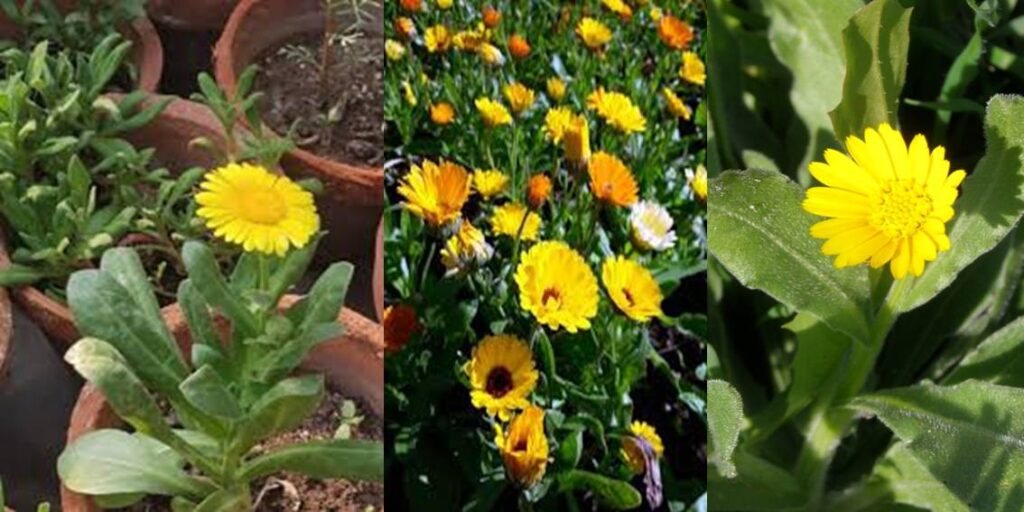
The Wild Field Marigold grows as an annual or biennial herb, typically reaching 10-50 cm in height. Its slender, hairy stems branch freely and bear lance-shaped leaves that attach directly to the stem. The lower leaves are broader and spoon-shaped, while upper leaves become narrower and often clasp the stem.
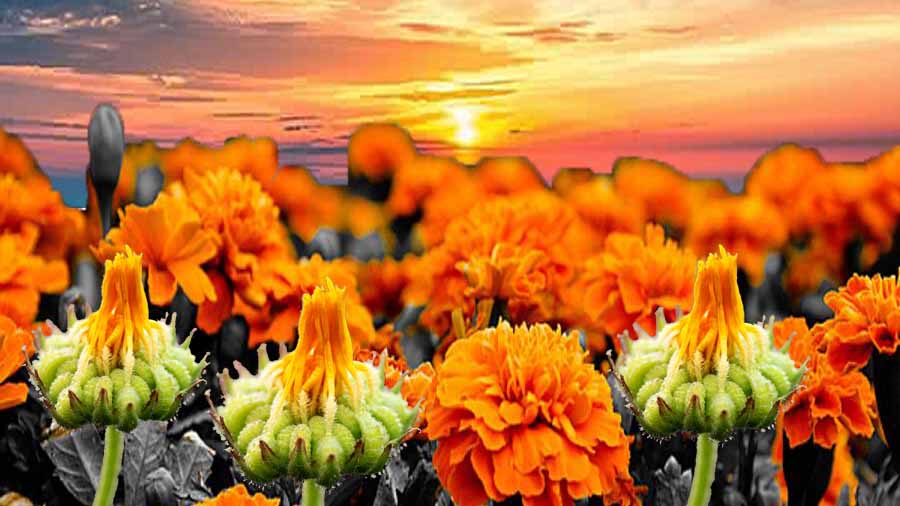
The flowers are the plant’s most striking feature. Each solitary flower head measures up to 4 cm wide, displaying bright yellow to orange-yellow ray florets surrounding a centre of yellow disc florets. These daisy-like blooms appear from late spring through early autumn, with peak flowering during the warmest months. The entire plant emits a pronounced, distinctive smell when crushed .
The fruit takes the form of achenes, which display remarkable adaptation for dispersal. These seeds can take any of three shapes, including a ring-shaped form, allowing different methods of spreading across the landscape.
Preferred Habitat and Distribution
This adaptable plant originates from central and southern Europe, as well as parts of western Asia. It thrives in sunny, open environments including fields, grassy banks, roadsides, and disturbed areas. The plant prefers well-drained soils and full sun, though it tolerates partial shade. Its hardiness allows it to flourish where other plants struggle, making it a successful coloniser of neglected spaces.
From its native Mediterranean range, the field marigold has spread across the globe as an introduced species, establishing populations in North America, Australia, and New Zealand.
Ecological Significance
The Wild Field Marigold plays a vital role in supporting biodiversity. Its nectar-rich flowers attract a wide variety of pollinators, including bees, butterflies, and other beneficial insects. By supporting these creatures, the plant contributes to the reproductive success of many surrounding plants through enhanced pollination. After flowering, the seeds provide food for birds and small animals, while decomposing plant matter enriches soil health.
Growth and Reproduction
As an annual plant, it completes its life cycle within one growing season. Seeds germinate in autumn or spring, and plants flower from late spring through autumn. The species employs both sexual reproduction through seeds and can self-seed readily, ensuring its return year after year. The remarkable heterocarpy—production of different fruit types—allows some seeds to disperse widely while others remain near the parent plant, maximising colonisation success.
Human Uses
Throughout history, people have valued marigolds for their medicinal properties. Traditional herbal medicine utilises the flowers for their anti-inflammatory and antiseptic qualities. People infuse the flowers in oils or prepare them as teas for various ailments. The plant is also sudorific (induces sweating), resolutive (disperses swelling), and antiscorbutic (prevents scurvy) according to traditional knowledge.
Farmers have observed that sheep and cows find the plant palatable, though pigs avoid it. In the garden, it provides a splash of colour from early June until the first hard frost. Gardeners can sow seeds directly outdoors from March to May, scattering them broadly or planting in rows 30 cm apart.
Common Pests and Challenges
Despite its hardiness, field marigold can suffer from aphids and slugs, which nibble on its foliage. In overly damp conditions, fungal diseases may appear. Regular monitoring and organic pest management help maintain healthy plants.
In agricultural settings, the plant sometimes behaves as a persistent weed. One record from an Australian orchard describes it as a “heavy infestation” and “persistent weed in orchards”. Its ability to colonise disturbed ground makes it successful in both wild and cultivated landscapes.
Conservation Status
The Wild Field Marigold faces no immediate conservation threats and is not listed as endangered. However, habitat loss through urbanisation and intensive agriculture poses potential risks to local populations. Protecting wildflower habitats ensures the survival of this species and the countless creatures that depend on it.
Interesting Facts
The field marigold is often mistaken for its cultivated relative, the pot marigold (Calendula officinalis), which is more commonly grown in gardens
Its seeds can remain dormant in the soil for years before germinating, demonstrating nature’s remarkable capacity for survival.
The plant produces three distinct fruit shapes; each adapted for different dispersal strategies—a rare trait known as heterocarpy
A garden escape in Britain, it has naturalised successfully beyond its original range
Summary
The Wild Field Marigold (Calendula arvensis) represents nature’s resilience and beauty. From its golden flowers that brighten roadsides to its ecological role supporting pollinators, this modest plant contributes far more than its size suggests. Whether encountered in a wild meadow, cultivated in a garden, or appreciated for its traditional medicinal uses, it reminds us of the interconnectedness of life and the value of preserving wild spaces. The species name arvensis comes from Latin, meaning ‘of the field’, perfectly describing its preferred habitat.