A Heron with Unique Behaviour
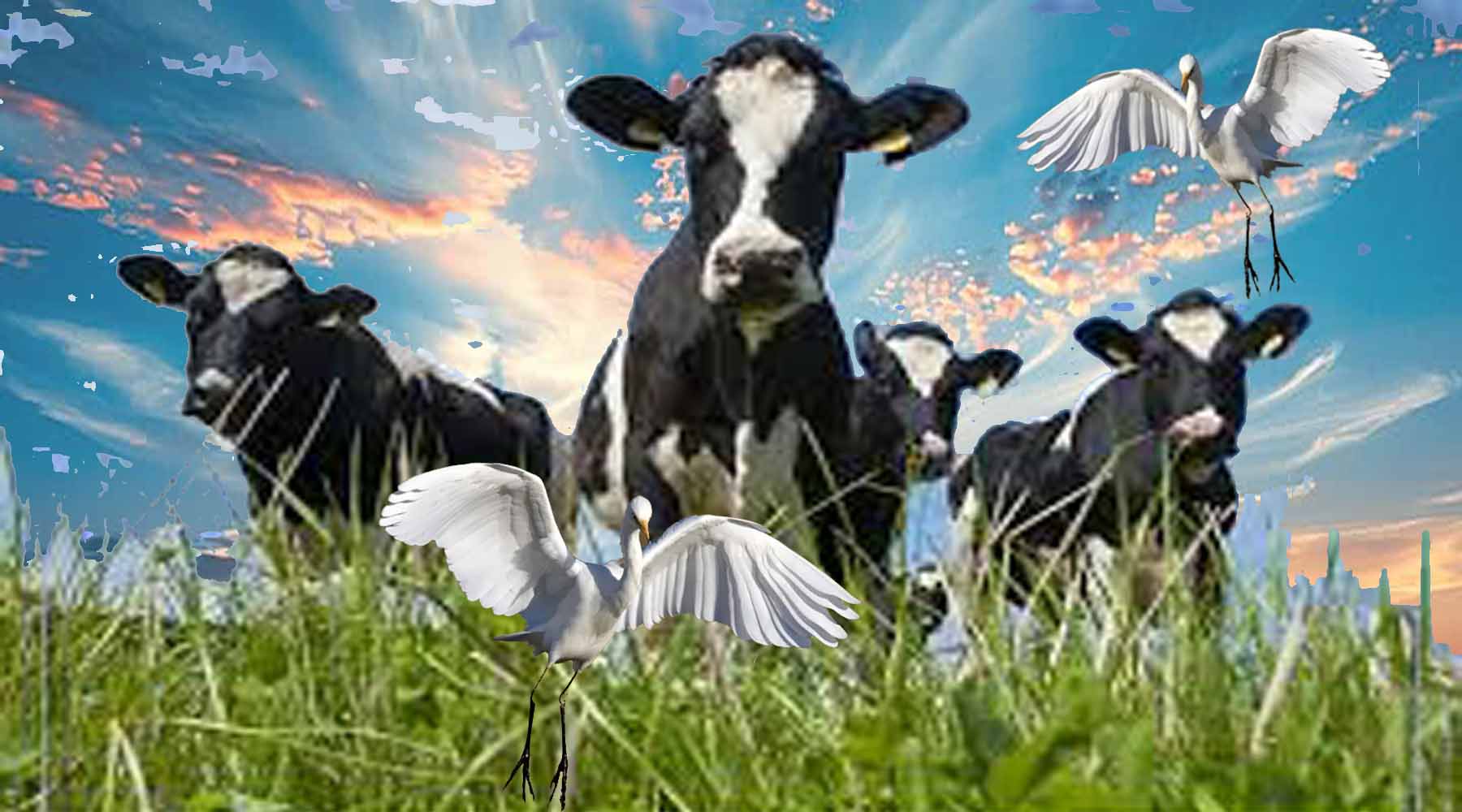
The Cattle Egret-Γελαδάρης ranks among the most recognisable heron species in Cyprus. This bird stands out for its close relationship with livestock animals such as cows, sheep, and goats. From a distance it appears whiter than it really is, and observers often mistake it for the Snowy Egret.
Appearance and Characteristics
The Cattle Egret-Γελαδάρης reaches a body length of 45-52 centimetres. Although it belongs to the heron family, it differs significantly from its relatives in its habits. Its feathers remain white for most of the year, while during the breeding season it acquires orange-yellow hues on the head, back, and chest.
Habitat and Diet
Unlike other herons that live exclusively in wetlands, the Cattle Egret prefers open fields and pastures. One often encounters it near herds, where it finds abundant food. It feeds mainly on insects and worms, which the animals flush out as they move and graze.
Presence in Cyprus
The Cattle Egret lives in Cyprus year-round. Its population includes permanent residents, winter visitors, and passing migrants that stop on the island during their movements.
Observation Sites
Birdwatchers can see the Cattle Egret in several areas of Cyprus:
Oroklini Lake
Akrotiri Marsh
Athalassa Park
Agios Loukas Lake in the Famagusta district
Coastal areas during migration
Behaviour and Nesting
Cattle Egrets roost and nest in colonies together with other birds of their species. They prefer shrubs or trees around wetlands to build their nests. Their adaptability to various environments and their close relationship with livestock activity make them unique among the herons of Cypriot nature.
The Cattle Egret serves as a living example of how wildlife adapts and coexists harmoniously with human activities, creating a unique interdependent relationship with the island’s livestock farming.