A Versatile Grass with Many Names
The Wild Annual Canarygrass refers to several species within the Phalaris genus, most commonly Phalaris minor. People know it by many names, including Lesser Canary Grass, Annual Canary Grass, Little-seeded Canary Grass, and Small Canary Grass. This adaptable plant belongs to the Poaceae (grass) family and has a complex relationship with humans—it serves as a useful crop while also behaving as a troublesome weed.
Scientific Classification and Naming
The genus name Phalaris comes from the Greek word for coot, referring to the bird’s white head which resembles the seed head. The species name minor means smaller, distinguishing it from its larger relative Phalaris canariensis. Anders Jahan Retzius first described the species in 1783.
Identifying Features
This tufted, hairless annual grass typically reaches heights of 10-100 cm, though it can grow up to 1.8 metres under favourable conditions.
Leaves: The flat leaf blades measure 20-300 mm long and 3-13 mm wide, tapering to a fine point. They have parallel veins and a smooth, hairless surface. A prominent membranous ligule, 8-10 mm long, sits at the junction of leaf and stem.
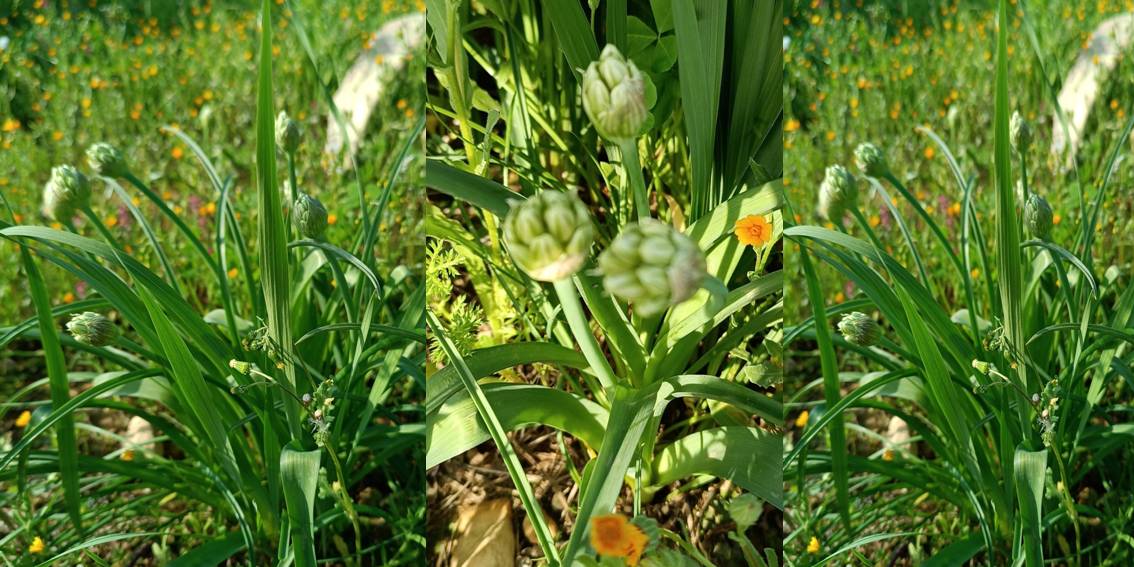
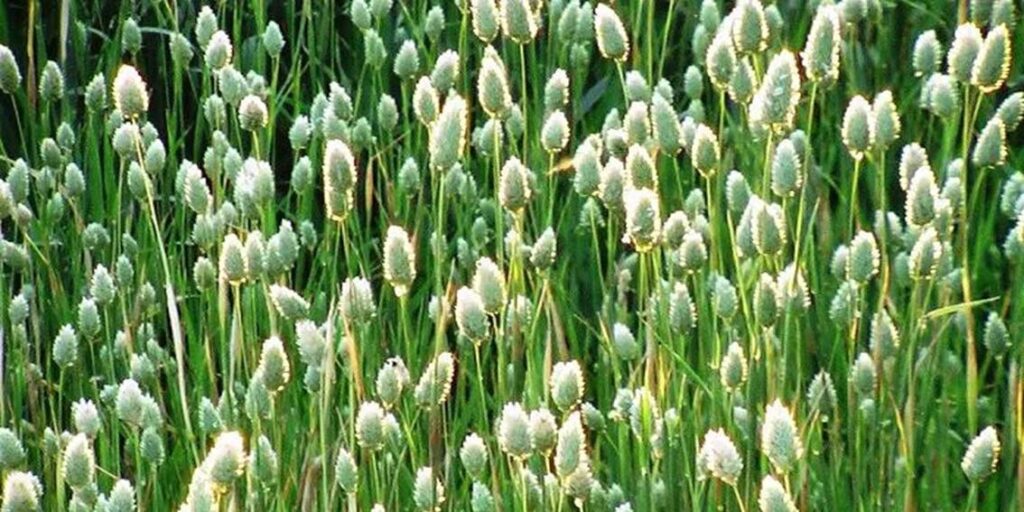
Flower Head: The dense, oblong seed head stands 2-6 cm long and 1-2 cm wide, held well above the leaves. It appears pale green when young, becoming chaffy with age.
Spikelets: The spikelets measure 5-6 mm long, with glumes featuring a distinctive winged keel on the upper third. Each spikelet contains three florets—two sterile ones reduced to bristle-like structures and one fertile floret.
Seeds: The small, tear-shaped fruits measure about 1 mm long and appear brown and hairy.
Native Range and Distribution
Phalaris minor originates from the Mediterranean region, North Africa, Central Asia, and Western Europe. It has naturalized widely across Australia, New Zealand, the Americas, and parts of Africa. In Australia, it occurs in all states except the Northern Territory.
Preferred Habitat
This adaptable grass thrives in diverse environments:
Climate: Temperate and Mediterranean regions
Soil: Usually sandy soils, but tolerates clay soils in low-lying areas, gilgais, table drains, and lake edges
Elevation: From sea level to moderate elevations
Associated habitats: Black Box and Bimble Box woodlands, Bladder Saltbush communities, and open grasslands
It often grows alongside Paradoxa Grass (Phalaris paradoxa) in disturbed areas.
Life Cycle and Growth
As a winter annual, seeds germinate from autumn to winter. The plant grows through winter and spring, producing abundant leafy growth. Flowering occurs from late winter to spring (August to November in Western Australia, October to December in South Australia) . It completes its life cycle with the onset of hot, dry weather.
Uses and Benefits
Despite its weedy nature, Wild Annual Canarygrass offers several practical applications:
Bird Seed: People cultivate it specifically for bird seed production. It is grown commercially and naturalized more widely than Canary Grass (Phalaris canariensis) .
Fodder: Young plants provide palatable forage for livestock, though they become rank with age.
Edible Seeds: The seeds can be cooked and ground into flour for bread, cakes, and other baked goods. However, the seeds are rather small and fiddly to utilize.
Toxicity Concerns
The toxicity status varies by region. Records from the United States indicate the plant can be toxic when young, though no recorded poisonings exist in Australia. It is poisonous to some mammals and can contaminate seed crops. The Plants For A Future database lists “None known” under known hazards, suggesting toxicity may depend on specific conditions or varieties.
Weed Status and Agricultural Impact
Phalaris minor ranks as a significant agricultural weed in many regions:
Problem Areas:
Cereal crops and winter-growing crops, causing substantial yield reductions
Rotation crops and perennial crops
Pastures and grazing lands
Wetlands and riparian areas
Roadsides and disturbed areas
Offshore islands
Dispersal Methods:
Intentional planting for bird seed
Contamination of produce and grain
Spread by animals and birds
Management and Control
Controlling this weed requires persistent effort:
Apply glyphosate in winter, repeating in late spring if necessary
Continue treatment annually for several years
Use selective herbicides in crop situations (though herbicide resistance occurs)
Herbicide resistance poses an increasing challenge in areas with intensive cereal production.
Similar Species and Identification Challenges
Several related species cause identification difficulties:
Related Species Worth Knowing
Phalaris canariensis (True Canary Grass)
This species provides the commercial bird seed widely available in stores. Native to the Canary Islands and southern Europe, it grows 20-90 cm tall with egg-shaped to oblong flowering heads. The seed hulls contain silica fibres potentially linked to esophageal cancer, though a new hull-less variety offers gluten-free food potential for humans .
Phalaris brachystachys (Short-spiked Canary Grass)
This Mediterranean native reaches 30-90 cm with compact, oval panicles 1.5-5 cm long. It behaves as a weed in Mediterranean crop regions and has developed herbicide resistance in several countries, including Italy, Turkey, Syria, and Iran.
Phalaris caroliniana (Maygrass)
Native Americans used this species extensively as a food source. Archaeological evidence from 2400 BCE shows its importance, with seeds found in paleofeces from Kentucky caves. The highly nutritious grain contains good protein density and serves as a source of thiamin and dietary iron.
Summary
The Wild Annual Canarygrass (Phalaris minor) represents a fascinating dual-purpose plant—valued as a bird seed crop and forage, yet despised as a stubborn agricultural weed. Its adaptability to diverse conditions ensures its continued spread across temperate and Mediterranean regions worldwide. While offering practical uses, it demands respect for its potential toxicity and requires diligent management in agricultural settings.