The Martouthkia of Cyprus: A Springtime Visitor
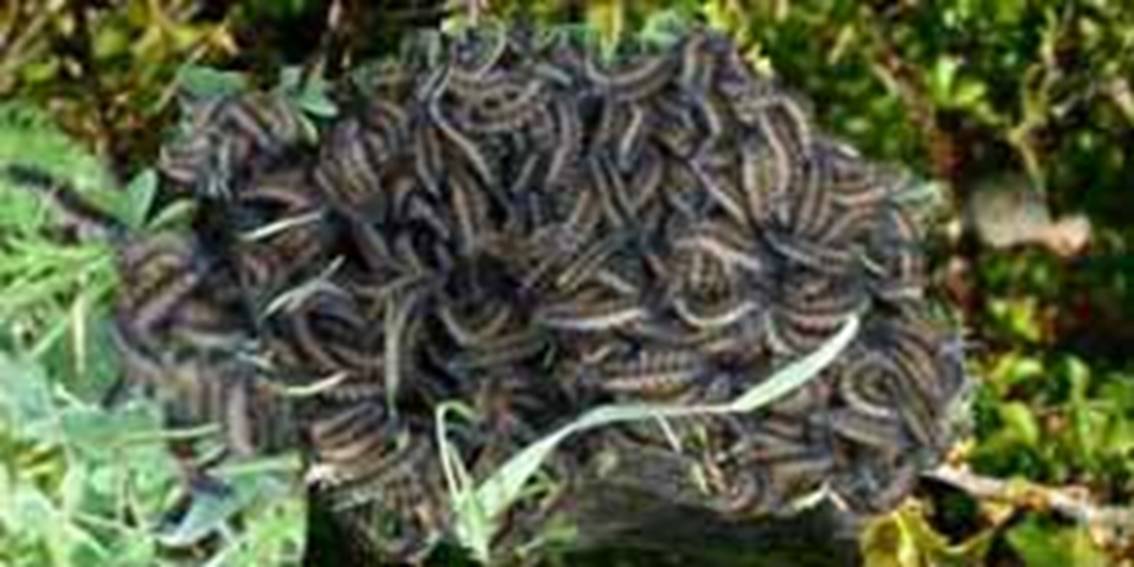
The Martouthkia caterpillars are small, ground-dwelling caterpillars (Ocnogyna loewii) found in Cyprus, often emerging in early spring (March). As the days lengthen and March arrives in Cyprus, a unique caterpillar makes its appearance on the island. The locals call them martouthkia (or martoudkia). These small, hairy creatures emerge just in time for the Lenten season, hence their alternative name, “Lent caterpillars”. Unlike their more dangerous relatives, these insects present a harmless and fascinating part of the Cypriot spring.
Distinguishing Martouthkia from the Pine Processionary
Many people in Cyprus often confuse martouthkia with another, far more dangerous caterpillar. The island is home to the Pine Processionary (Thaumetopoea pityocampa), known locally as kambies. This species poses a significant health risk to humans and animals because its tiny hairs contain a toxic substance. These caterpillars travel in long lines or “processions,” which gives them their name.
The martouthkia caterpillars (scientifically Ocnogyna loewii Cypriaca) belong to a different species entirely. They do not possess the same toxic hairs as the pine recessionary. While you should always exercise caution with any hairy caterpillar, the martouthkia does not cause the severe allergic reactions or skin irritations associated with its more infamous cousin.
A True Cypriot Endemic
The martouthkia holds a special place in Cyprus’s natural heritage. This particular subspecies is endemic to the island, meaning you will not find it anywhere else in the world. It has adapted specifically to the Cypriot environment and follows a life cycle closely tied to the island’s seasons. The caterpillars appear in late winter and early spring, feeding on low-growing plants before pupating and emerging as moths later in the year.
A Harmless Part of the Ecosystem
Unlike the pine processionary, which strips pine trees of their needles and can cause significant forest damage, martouthkia do not pose a major threat to Cyprus’s vegetation. They feed on various herbaceous plants without causing widespread ecological harm. Their presence actually contributes to the local food web, providing nutrition for birds and other insectivores. They form an important part of the island’s biodiversity, playing their small role in the natural balance.
How to Tell Them Apart
When you spot a caterpillar in the Cypriot countryside this spring, you can easily distinguish between the two common types. The pine processionary caterpillars build large, silken webbed nests high in pine trees. They travel in long, nose-to-tail processions along branches and down trunks.
In contrast, martouthkia tend to live on or near the ground, feeding on low vegetation. You will not see them forming long processions or defoliating pine trees. Their appearance coincides with the start of Lent, offering a natural marker for the changing seasons rather than a cause for alarm.
Coexisting with Nature
The Forestry Department in Cyprus actively manages the populations of harmful caterpillars like the pine processionary to protect forests and public health. However, they do not target martouthkia with these measures, as they do not require control. These endemic caterpillars simply go about their life cycle, emerging each spring to remind us of the island’s unique natural rhythms. For residents and visitors alike, understanding the difference between these insects allows for a safer and more appreciative experience of Cyprus’s wildlife.