Introduction and Misidentification
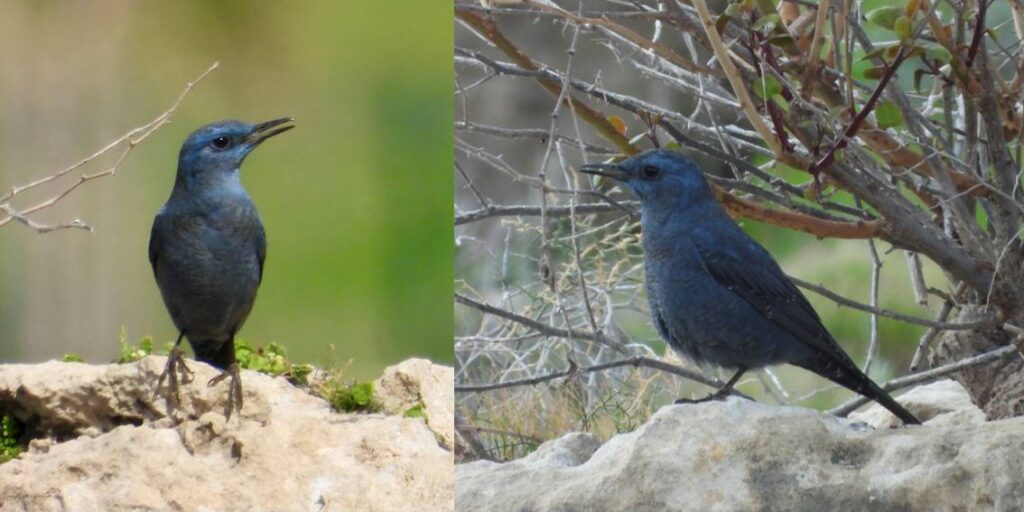
The “Blue Finch of Cyprus” presents an interesting case of ornithological misidentification. No endemic or native bird species officially carries this exact common name on the island. Instead, this description likely refers to the male Blue Rock Thrush (Monticola solitarius), which locals sometimes call the “Blue Finch” due to its coloration and size. Alternatively, it might point to a rare vagrant finch species with blue plumage. This article will focus on the Blue Rock Thrush, the island’s most prominent blue-hued songbird.
Physical Description and Appearance
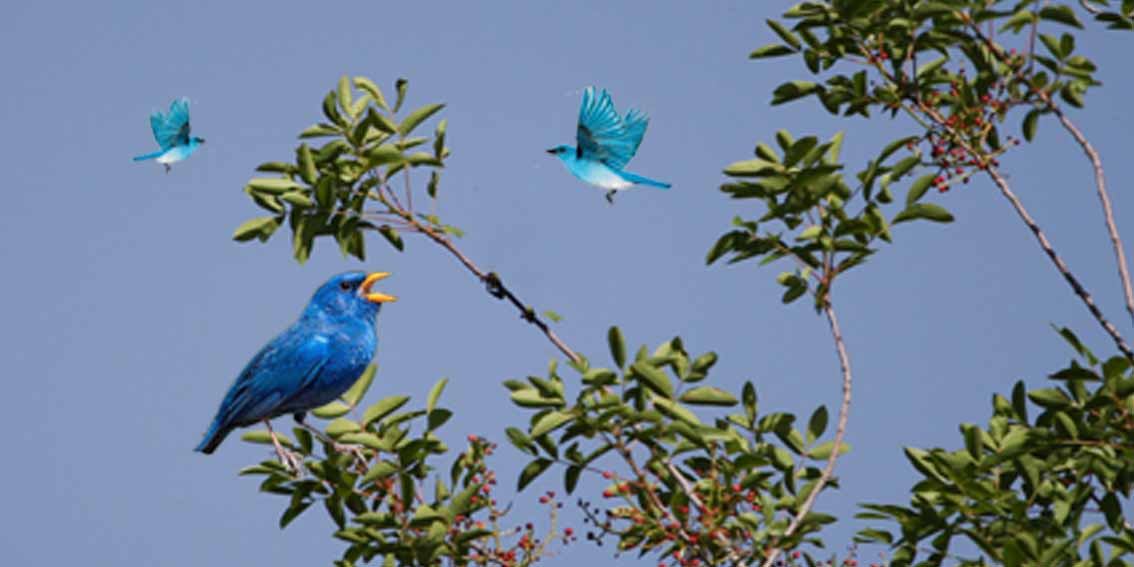
The male Blue Rock Thrush displays a stunning, almost entirely slate-blue plumage. This colour covers its head, breast, back, and wings, with a slightly darker, more subdued tone on the wings and tail. The bird’s overall appearance resembles a stout, elongated thrush rather than a typical finch. In certain lights, the feathers can appear to shimmer slightly, giving the bird a truly eye-catching presence among the rocky terrain.
The female looks distinctly different from the male. Her plumage consists of dark brown and grey tones, with a distinctive barred pattern on the under parts that provides excellent camouflage. Juvenile birds resemble the female. The bird measures approximately 20 to 23 centimetres in length, making it slightly larger than a common House Sparrow but slimmer in build. Its strong, slightly curved beak suits its insectivorous and omnivorous diet.
Habitat and Behaviour on Cyprus
This bird inhabits the island’s most rugged and inaccessible landscapes. It favours rocky coastlines, steep gorges in the Troodos Mountains, and abandoned quarry sites with plenty of crevices. The bird rarely visits gardens or cultivated fields, preferring instead the wild, untamed areas of the Cypriot countryside.
The Blue Rock Thrush behaves as a shy and wary species, often giving observers only a fleeting glimpse as it darts between boulders. However, when it sings, it reveals its presence unmistakably. The male perches on a high, prominent rock and delivers a loud, melodious, and varied song that carries across the valleys. It feeds primarily on insects, lizards, and berries, foraging by hopping quickly among the rocks.
Status and Cultural Significance
This species enjoys a stable presence on the island, with a healthy population residing year-round. It does not migrate, and Cyprus represents a stronghold for the species in the Mediterranean. The bird holds the prestigious title of the national bird of Malta, highlighting its significance in the region. While not the official national bird of Cyprus, its striking appearance and wild nature make it a prized sighting for birdwatchers visiting the island. Conservation efforts focus on protecting its habitat from uncontrolled development and wildfires.