Drone Strike at Akrotiri Base: Iran Conflict
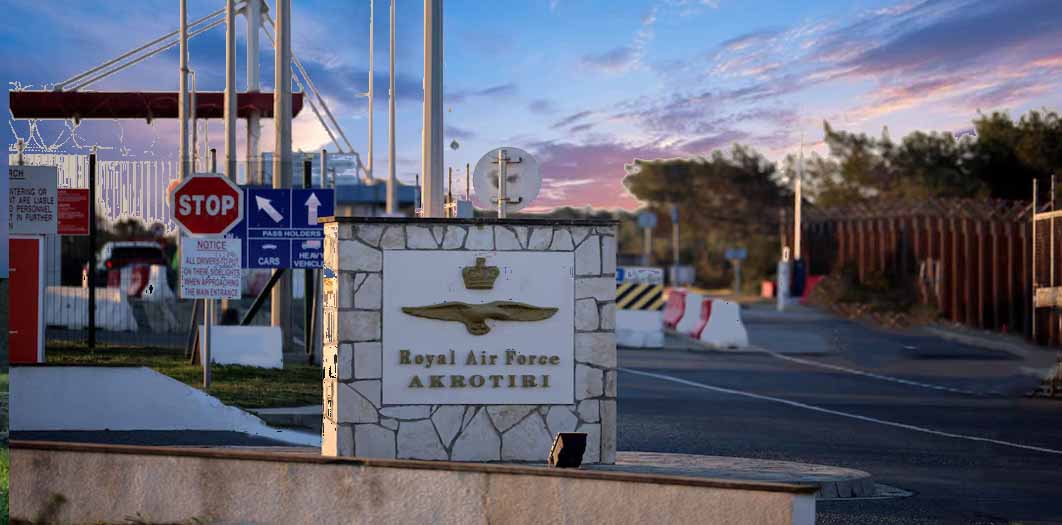
Drone Strike at Akrotiri Base: A Iranian Shahed-type drone struck the runway of the RAF Akrotiri base in Cyprus just after midnight on Monday, March 2nd. The attack caused minor material damage but resulted in no casualties. This marks the first time Iran has struck a European country since the conflict escalated.
The Attack Unfolds
The drone strike at Akrotiri Base impacted the military facilities at 12:03 a.m. local time. Cypriot President Nikos Christodoulides confirmed the details in an emergency address, stating that a Shahed unmanned aerial vehicle caused limited damage to the British Bases in Akrotiri. Security sources suggest the drone likely originated from a Hezbollah base in Lebanon, though authorities have not officially confirmed the launch point. A second drone approached the base during the incident, but UK forces intercepted it before it could strike.
Immediate Response and Precautionary Measures
The UK Ministry of Defence immediately raised force protection levels to maximum. Base commanders ordered personnel and residents to shelter in place, stay away from windows, and take cover behind solid furniture. The Ministry of Education directed schools near the British Bases to close for the day as a safety precaution. The Sovereign Base Areas Administration announced the temporary dispersal of non-essential personnel from RAF Akrotiri Station, though nearby Akrotiri village residents did not need to evacuate.
Why the Base Became a Target
The strike came just hours after UK Prime Minister Keir Starmer agreed to a US request to use British military bases for defensive strikes against Iranian missile sites. Starmer had stressed that the UK “was not involved in the initial strikes on Iran” and would “not join offensive action now”. However, Iran’s retaliatory strategy targets countries hosting US military assets, putting British bases at risk. RAF Akrotiri serves as the UK’s operational hub in the Eastern Mediterranean, housing about 2,000 personnel and their families, and provides critical support for missions across the Middle East.
Leaders Respond to the Crisis
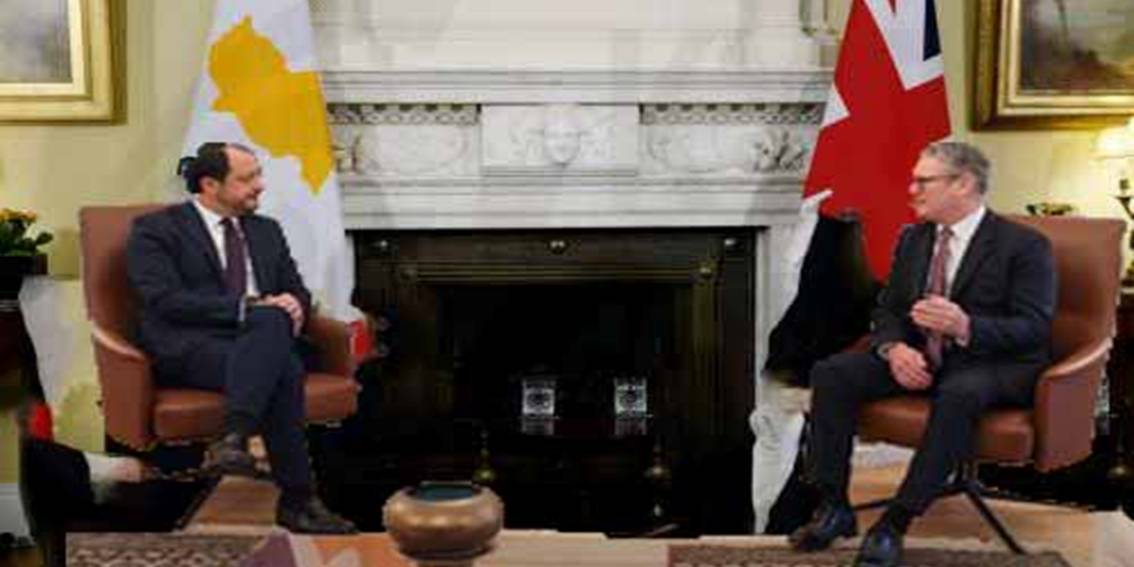
President Christodoulides convened an emergency session of the National Security Council and maintained continuous contact with European and global leaders. He emphasized that “our homeland does not participate in any way and does not intend to be part of any military operation,” reaffirming Cyprus’s commitment to its humanitarian role. EU Commission President Ursula von der Leyen responded swiftly, stating: “While the Republic of Cyprus was not the target, let me be clear: we stand collectively, firmly and unequivocally with our Member States in the face of any threat”.
Previous Missile Activity
Before the drone strike, Defence Secretary John Healey had reported that Iran fired two ballistic missiles toward Cyprus, though he was “pretty sure” the island was not the target. Prime Minister Starmer later confirmed directly to President Christodoulides that Cyprus was not a target of those missiles. The missiles landed in the sea without causing damage.
Regional Context
The attack forms part of Iran’s wider retaliation following the massive US-Israeli strike on Saturday that killed Iran’s Supreme Leader Ayatollah Ali Khamenei. Iran has since launched ballistic missiles and drones at US assets and allies across the region, targeting Israel, Bahrain, Kuwait, Qatar, the UAE, and Jordan. An RAF Typhoon jet operating out of Qatar successfully shot down an Iranian drone during a defensive air patrol, marking the first such engagement since the strikes began.