A Misunderstood Name for a Majestic Raptor
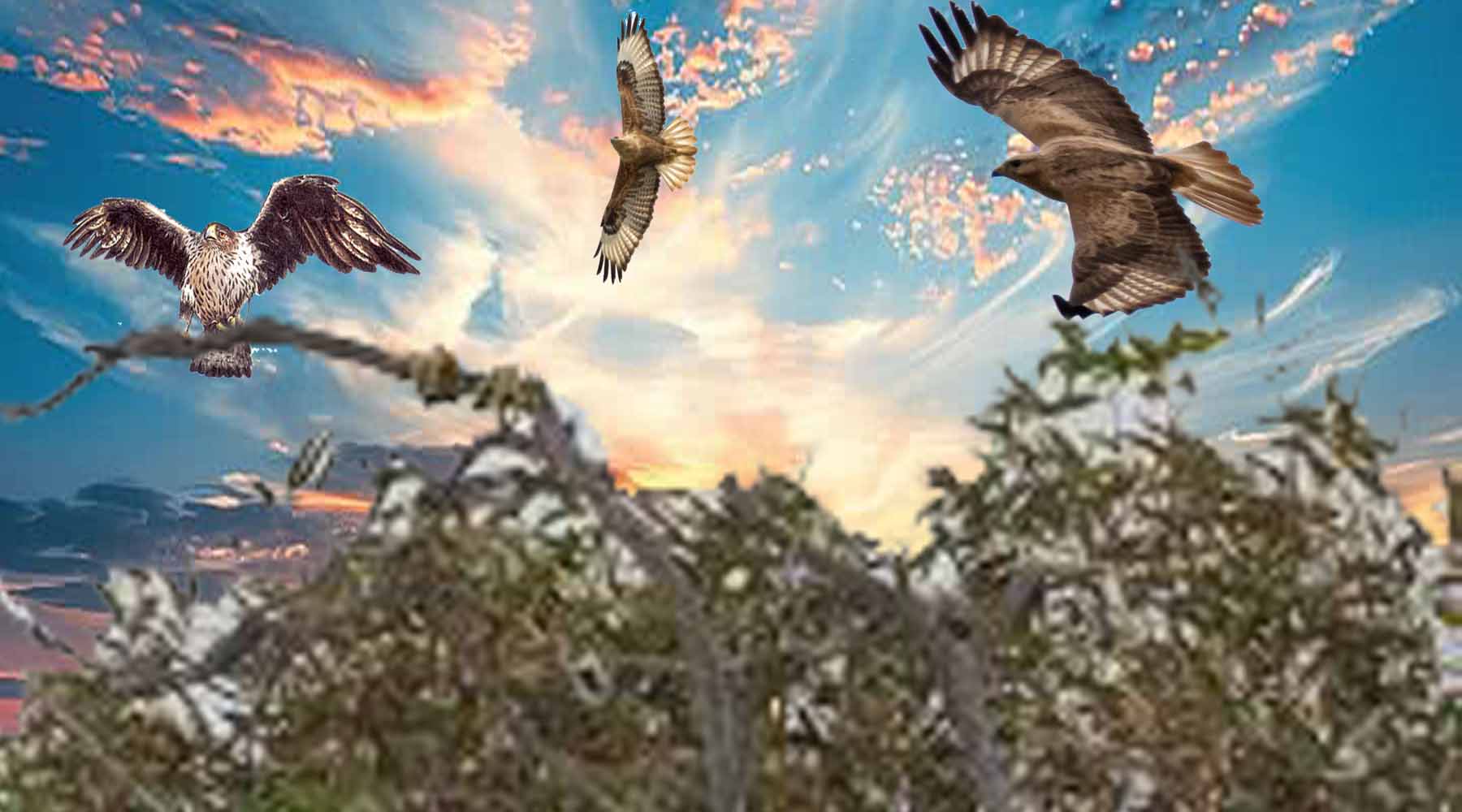
The Bonelli’s Eagle: The term “Eagle Hawk” does not refer to a separate species in Cyprus but rather describes the remarkable Bonelli’s Eagle (Aquila fasciata), known locally as Περτικοσύχνο (Perticosýchno) or Σπιζαετός (Spizaetos) . This medium-sized eagle combines the power of an eagle with the agility of a hawk, making it one of the most formidable predators in the Cypriot sky.
Appearance and Characteristics
The Bonelli’s Eagle measures 66-74 centimetres in length with an impressive wingspan of 150-175 centimetres. Adults weigh between 1.6 and 2.16 kilograms, though females can exceed 2.5 kilograms. The bird displays dark brown plumage on its upper body and wings, while the underside appears white with distinctive black spots or streaks.
A Permanent Resident of Cyprus
This eagle lives in Cyprus year-round as a permanent resident. Unlike migratory raptors that pass through the island seasonally, the Bonelli’s Eagle maintains territories throughout the year. The current population in Cyprus does not exceed 30 pairs, classifying it as a threatened species requiring strict protection.
Hunting Prowess and Diet
The Bonelli’s Eagle hunts with extraordinary skill, combining strength with remarkable manoeuvrability. Research examining 612 pellets and 528 prey remains from 14 nesting pairs between 1999-2001 revealed fascinating dietary habits. Birds form the main prey category, with the Chukar partridge predominating throughout all breeding stages. Mammals, particularly the Black Rat, constitute over 30% of the diet during the breeding period. Reptiles, especially the Spiny-tailed Agama, increase in importance during the brooding season. This opportunistic predator adapts its hunting strategy to seasonal variations in food availability across the island.
Breeding Behaviour
The breeding season begins in November or December with spectacular aerial displays. Pairs perform large circles and dramatic flights over their nesting territories to strengthen pair bonds and defend their area. Egg-laying occurs from early February until mid-March, with clutches typically containing two eggs laid at two-to-three-day intervals.
Incubation lasts 42-44 days, with the female primarily responsible for warming the eggs while the male provides food. A fascinating and harsh aspect of their biology involves the first-hatched chick often killing the second—a phenomenon known as obligate silicate .
Conservation Status
The Bonelli’s Eagle enjoys full protection under European Union and Cypriot legislation. It appears in Annex I of the Birds Directive 79/409/EEC, which requires special conservation measures for its habitats. Despite this protection, the population has declined sharply in recent decades. Threats include habitat loss, disturbance at nesting sites, and other human activities affecting their survival.
Research and Monitoring
Scientists study this species intensively in Cyprus. Recent research published in 2025 developed accurate tools for determining nestling age based on wing, tarsus, and middle talon measurements—achieving an estimation error of just one day. Such precise monitoring tools assist conservation efforts for this endangered island population.