A Splash of Olive Green
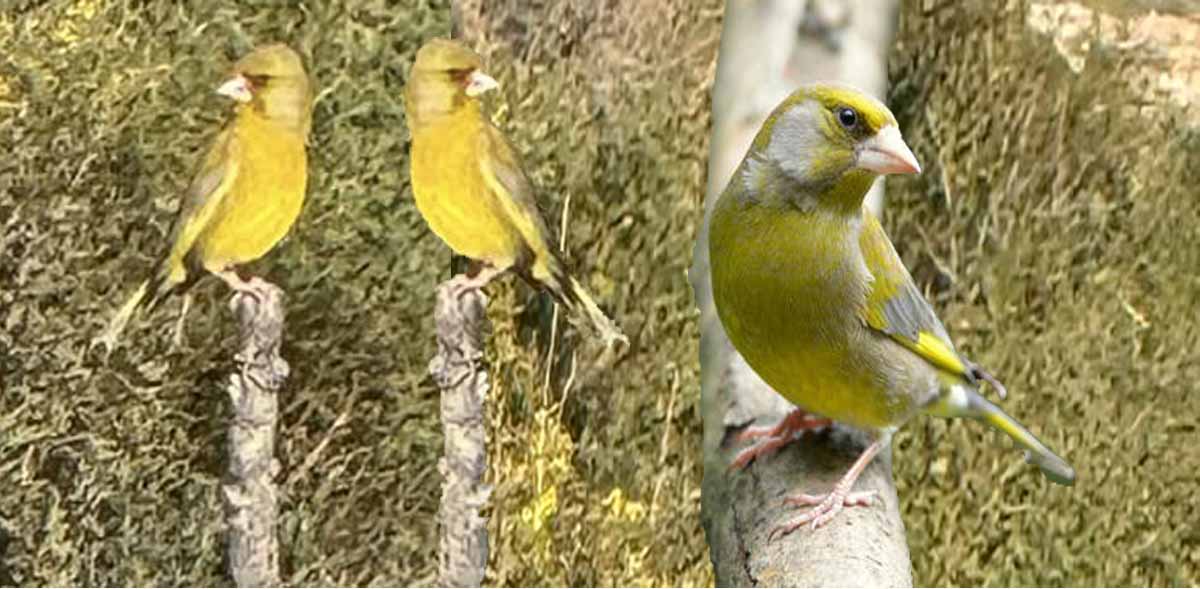
The European Greenfinch is a common and colourful bird, often heard before it is seen. It belongs to the finch family and is a resident throughout much of Europe, North Africa, and Southwest Asia. Its stout body and distinctive colouration make it a favourite visitor to gardens and parks.
Identifying Features
You will easily recognise the male Greenfinch by its vibrant olive-green plumage. Bright yellow patches decorate the edges of its wings and tail, creating a striking contrast when it flies. The female is much duller, with more brown and grey tones on her back and a less vibrant yellow. Both sexes have a thick, pale, conical beak, perfectly designed for cracking open seeds.
Preferred Habitat
Greenfinches are highly adaptable birds. They thrive in a variety of habitats, including woodland edges, farmland hedgerows, and shrubby areas. However, they have a particular fondness for human habitation. You will frequently spot them in parks and gardens, where they take full advantage of bird feeders.
Diet and Feeding Habits
Seeds form the bulk of the Greenfinch’s diet. They favour seeds from trees like elm and pine, as well as those from weeds and cultivated sunflowers. Their strong beaks allow them to crush even the toughest husks with ease. During the breeding season, they will also feed insects to their young to provide essential protein. You will often see them clinging to the stems of teasels or hanging from peanut feeders in a determined fashion.
Breeding Behaviour
The breeding season for the Greenfinch begins in late spring. The male performs a display flight to attract a mate, circling high with slow, butterfly-like wing beats while singing. The female builds the nest, a neat cup of twigs, grass, and moss, usually hidden in a dense bush or tree. She alone incubates the smooth, glossy eggs, which are white with reddish spots. A pair will typically raise two or even three broods in a single season.
Song and Calls
The Greenfinch has a pleasant, rambling song, full of trills and twitters. Its most characteristic call, however, is a distinct, harsh “dzwee” sound, often given in flight. This nasal note is a reliable way to identify the bird’s presence even when it remains hidden in the foliage.
Conservation Status
The European Greenfinch remains a widespread and common species. However, its population can suffer from parasites and diseases, such as trichomonosis, which spreads at bird feeders. Keeping feeders clean helps to support the health of these charming garden visitors. Their resilience and cheery colour ensure they remain a firm favourite with birdwatchers everywhere.