The Legendary Mandrake of Cyprus
The Mandragora officinarum, known in Greek as mandragoras or locally as kalánthropos meaning “good man,” holds a unique place in the flora of Cyprus. This member of the nightshade family (Solanaceae) is a plant shrouded in myth and mystery. For millennia, people have associated it with magic, witchcraft, and supernatural powers, all because of its thick, often forked root that can resemble the human form.
Appearance and Growth
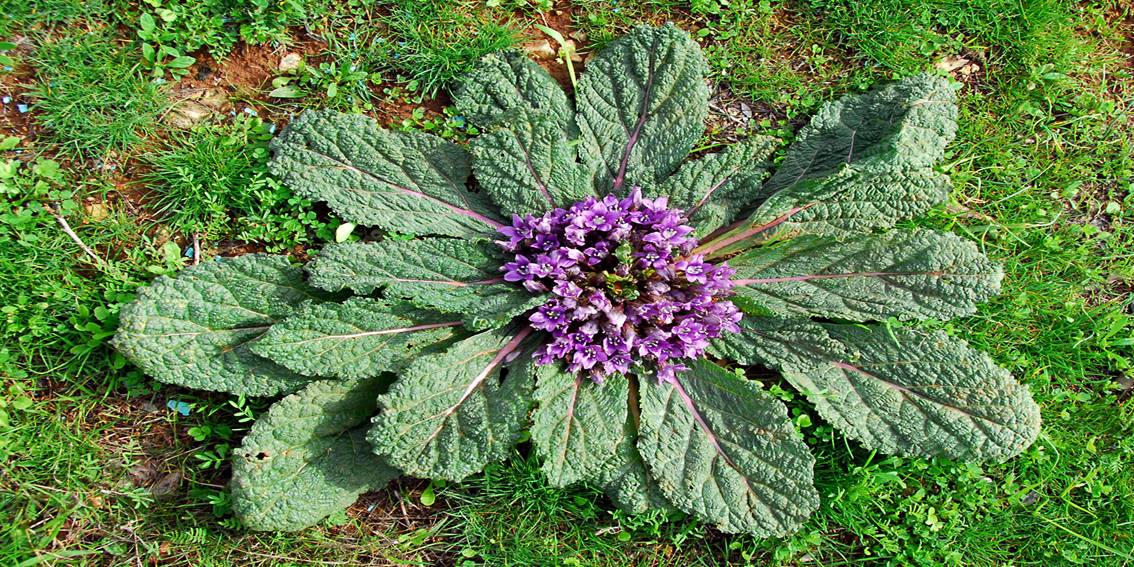
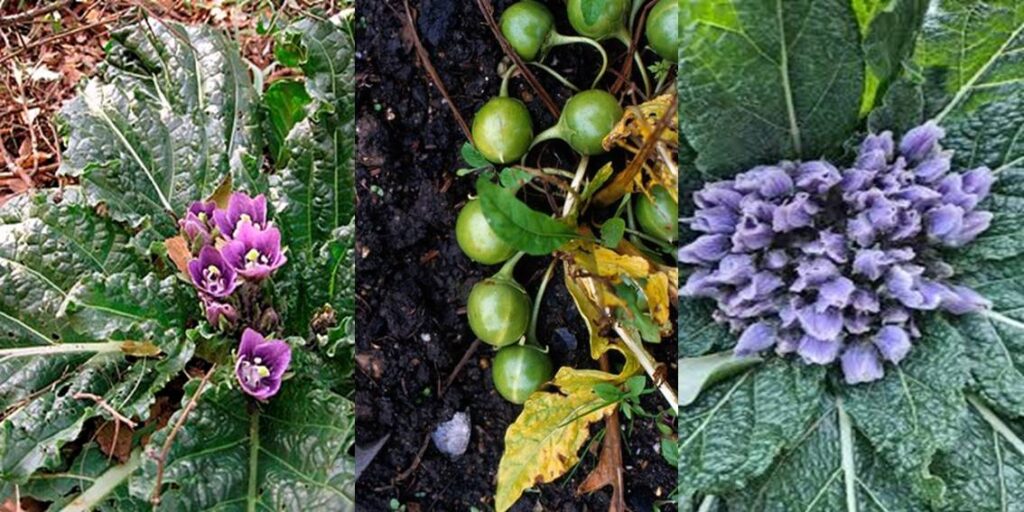
The mandrake is a distinctive, stem less perennial plant. Its large, dark green leaves form a flattened rosette that lies close to the ground, reaching up to 45 cm in length. From the centre of this rosette, the flowers emerge in December and continue blooming until April. These beautiful, bell-shaped flowers are a subtle colour, ranging from white and greenish-white to pale blue or violet. By the end of spring, these flowers develop into fleshy, berry-like fruits. These fruits ripen to a glossy yellow or orange colour, resembling small tomatoes or ping-pong balls, and contain a fragrant, sweet-smelling pulp.
Where to Find It in Cyprus
You can find this remarkable plant across the island. It is a common sight in various lowland habitats up to an altitude of 600 metres. Look for it in:
Disturbed ground and fallow fields.
Roadside verges and slopes.
Open scrubland and Phrygian .
Abandoned cultivation and coastal areas.
The plant thrives in deep, rich soil and requires a sunny position. While its population is scattered and it has become rare in some parts of the Mediterranean, it remains a protected part of Cyprus’s natural heritage.
The Root of All Legends
The true source of the mandrake’s legendary status lies beneath the soil. It produces a long, thick, parsnip-shaped taproot that often branches. This root can grow to an impressive size, reaching up to a metre in length and weighing several kilograms. Its tendency to divide into two main branches gives it an uncanny resemblance to the human body, complete with a “body” and “legs”. In the past, people classified these roots as “male” or “female,” though this distinction has no botanical basis.
This anthropomorphic form led to a wealth of folklore. Ancient peoples believed the plant shrieked when pulled from the ground, a sound that could kill anyone who heard it. To harvest it safely, collectors would use a dog to tear the root from the earth, often perishing in the process. People also attributed powerful aphrodisiac and fertility-inducing properties to the root, and the ancient Greeks called its fruit the “apple of love”.
A Powerful Poison
Behind the magic lies a very real and potent danger. All parts of the Mandragora officinarum contain highly toxic tropane alkaloids, such as hyoscyamine, atropine, and scopolamine. These substances interfere with the central nervous system.
Is it Safe to Eat the Ripped Fruit of Mandragora Officinarum
No, it is not safe to eat the ripe fruit of Mandragora officinarum. Despite its sweet, apple-like scent and attractive appearance, the fruit contains toxic alkaloids that can cause severe poisoning.
The Bottom Line
All parts of Mandragora officinarum—leaves, roots, seeds, and especially the ripe yellow berries—contain dangerous tropane alkaloids. No amount of ripeness renders them safe for consumption. If you encounter these attractive orange-yellow fruits in the Cypriot countryside, admire them from a distance but do not eat them.
Ingesting any part of the plant, particularly the unripe fruits, leads to severe poisoning. Initial symptoms include dilated pupils (leading to blurred vision), nausea, vomiting, and diarrhoea. As the poison takes hold, it causes hallucinations, delirium, and a sensation of drowsiness. In high doses, it leads to heart failure and death. The plant’s use as an anaesthetic and sedative in ancient times was a dangerous gamble with a patient’s life.