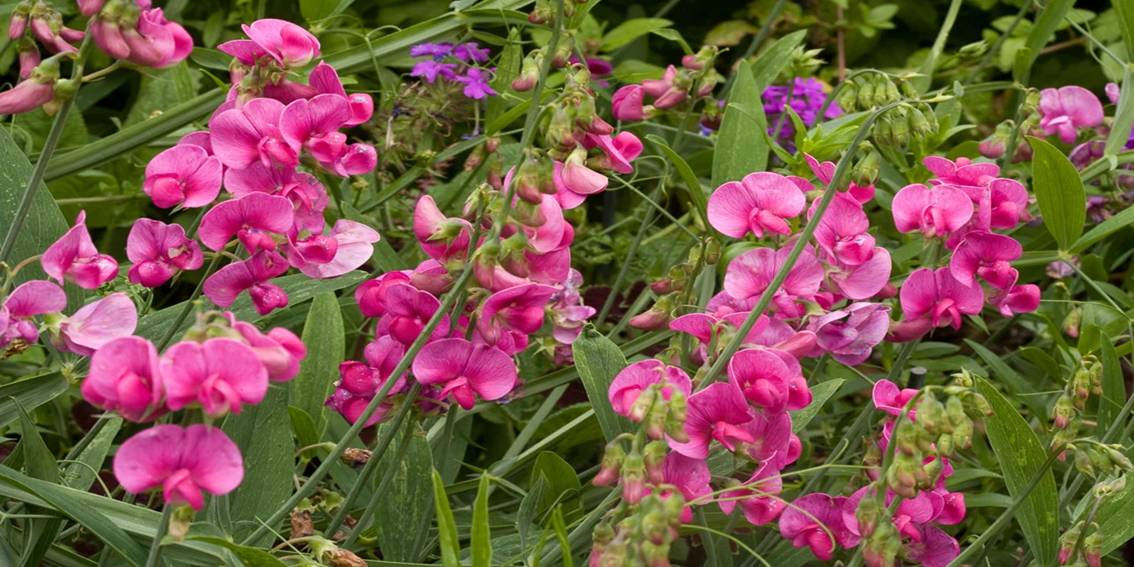
A Perennial Climber with Vibrant Colour
The Lathyrus latifolius ‘Red Pearl’ is a stunning perennial plant known for its vibrant red flowers. Gardeners commonly refer to it as the Everlasting Sweet Pea or Perennial Sweet Pea. Unlike the familiar annual sweet pea, this variety returns year after year, providing reliable colour and beauty to gardens. This plant belongs to the Fabaceae family.
Key Features and Appearance
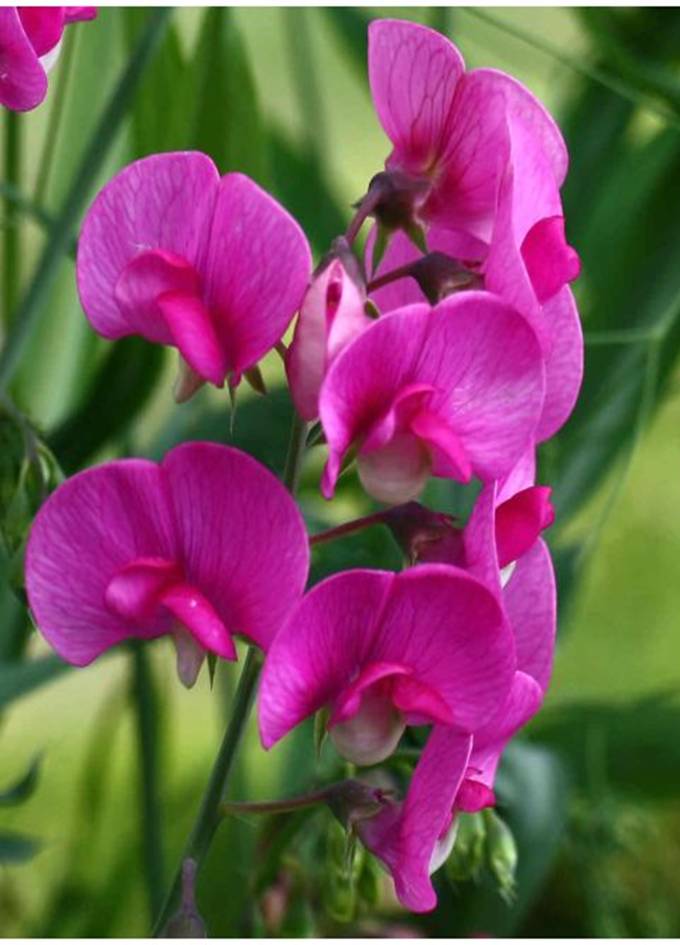
Vigorous climber produces heavy trusses of bright red or magenta-red flowers. Its blooms appear in slender-stemmed racemes, creating a prolonged and vibrant burst of colour throughout summer and early autumn. Some sources describe the flower colour as red-purple.
The plant features attractive grey-green leaves that provide an excellent backdrop for the striking flowers. Typically it reaches a height of 2 metres (approximately 6 feet) at maturity, with a spread of about 0.75 metres.
A Notable Absence of Fragrance
Despite its common name and resemblance to sweet peas, the flowers of Lathyrus latifolius ‘Red Pearl’ have no fragrance. While this may disappoint those seeking a scented bloom, the plant compensates with an abundance of flowers and exceptional vigour. Although this plant has no scent does not diminish its appeal to pollinators, as it remains highly attractive to bees and other beneficial insects.
Flowering Season and Habit
Lathyrus flowering period extends from June to September. Some sources note blooms may appear from early summer to early autumn. It produces up to ten flowers per stem, which is more than many fragrant annual varieties.
After flowering, long, bluish pods develop containing sizeable seeds. Removing spent flowers and seed pods promotes and extends the blooming period.
Planting and Growing Requirements
Position and Sunlight
‘Red Pearl’ thrives best in full sun, requiring at least six hours of daily sunlight for optimal flower production. However, it tolerates partial shade well. A south-facing or west-facing aspect suits this plant perfectly.
Soil Conditions
This adaptable plant prefers moderately fertile, moist but well-drained soil. It thrives in loamy, humus-rich soil but adapts to most soil types, including chalk, loam, and sand. If your soil is heavy or clay-based, mixing in fine gravel or perlite improves drainage.
Hardiness
Lathyrus latifolius ‘Red Pearl’ is fully hardy, withstanding temperatures down to -20°C and below. In the USDA hardiness system, it suits zones 4 through 7. The plant is deciduous, dying back to the ground in winter before re-emerging each spring.
Planting and Care Instructions
Planting Guidelines
When planting near walls or fences, position the plant at least 30cm (12 inches) away from the base to avoid dry conditions and ensure good soil contact around the root ball. For planting beside existing trees or shrubs, maintain an even larger distance.
Plant in fertile, well-drained soil in full sun, adding plenty of well-rotted organic matter to the location and backfill. Water regularly during dry spells to help the plant establish.
Support and Training
As a climbing plant, ‘Red Pearl’ requires support for optimal growth. It attaches itself using tendrils. Suitable supports include trellises, obelisks, fences, or walls. You can also allow it to scramble through shrubs or hedges. Initially, you need to tie new shoots to supports until they establish.
Ongoing Maintenance
Watering: Water frequently when newly planted. After establishment, water during dry spells, avoiding soil drying out completely. Water at the base of the plant to avoid splashing the leaves.
Feeding: This plant generally needs no feeding. However, digging in well-rotted compost or manure at planting time proves helpful.
Pruning: Pinch out the tips of young shoots to promote bushier growth. Remove spent flowers as they fade to encourage more blooms. Cut the whole plant down to ground level in early spring to keep it tidy and vigorous.
Uses in the Garden
‘Red Pearl’ serves multiple purposes in garden design. Lathyrus works wonderfully as a cut flower, providing long-lasting additions to summer bouquets and floral arrangements. The plant adds vertical interest to borders, quickly covering sunny walls, fences, or trellises. It suits cottage gardens beautifully. You can also grow it successfully in pots and containers, especially when you provide a pyramid of stout canes for support . Some gardeners use it effectively as ground cover in lightly shaded positions.
Benefits to Wildlife
The Royal Horticultural Society certifies this plant as “Perfect for Pollinators”. Bumblebees visit the flowers to collect pollen, while butterflies come to feast on the necLathyrus Latifolius Red Pear
A Perennial Climber with Vibrant Colour
The Lathyrus latifolius ‘Red Pearl’ is a stunning perennial plant known for its vibrant red flowers. Gardeners commonly refer to it as the Everlasting Sweet Pea or Perennial Sweet Pea. Unlike the familiar annual sweet pea, this variety returns year after year, providing reliable colour and beauty to gardens. This plant belongs to the Fabaceae family.
Key Features and Appearance
This vigorous climber produces heavy trusses of bright red or magenta-red flowers. The blooms appear in slender-stemmed racemes, creating a prolonged and vibrant burst of colour throughout summer and early autumn. Some sources describe the flower colour as red-purple.
The plant features attractive grey-green leaves that provide an excellent backdrop for the striking flowers. It typically reaches a height of 2 metres (approximately 6 feet) at maturity, with a spread of about 0.75 metres.
A Notable Absence of Fragrance
Despite its common name and resemblance to sweet peas, the flowers of Lathyrus latifolius ‘Red Pearl’ have no fragrance. While this may disappoint those seeking a scented bloom, the plant compensates with an abundance of flowers and exceptional vigour. The lack of scent does not diminish its appeal to pollinators, as it remains highly attractive to bees and other beneficial insects.
Flowering Season and Habit
The flowering period extends from June to September. Some sources note blooms may appear from early summer to early autumn. The plant produces up to ten flowers per stem, which is more than many fragrant annual varieties.
After flowering, long, bluish pods develop containing sizeable seeds. Removing spent flowers and seed pods promotes and extends the blooming period.
Planting and Growing Requirements
Position and Sunlight
‘Red Pearl’ thrives best in full sun, requiring at least six hours of daily sunlight for optimal flower production. However, it tolerates partial shade well. A south-facing or west-facing aspect suits this plant perfectly.
Soil Conditions
This adaptable plant prefers moderately fertile, moist but well-drained soil. It thrives in loamy, humus-rich soil but adapts to most soil types, including chalk, loam, and sand. If your soil is heavy or clay-based, mixing in fine gravel or perlite improves drainage. The soil pH can range from acid to alkaline.
Hardiness
Lathyrus latifolius ‘Red Pearl’ is fully hardy, withstanding temperatures down to -20°C and below. In the USDA hardiness system, it suits zones 4 through 7. The plant is deciduous, dying back to the ground in winter before re-emerging each spring.
Planting and Care Instructions
Planting Guidelines
When planting near walls or fences, position the plant at least 30cm (12 inches) away from the base to avoid dry conditions and ensure good soil contact around the root ball. For planting beside existing trees or shrubs, maintain an even larger distance.
Plant in fertile, well-drained soil in full sun, adding plenty of well-rotted organic matter to the location and backfill. Water regularly during dry spells to help the plant establish.
Support and Training
As a climbing plant, ‘Red Pearl’ requires support for optimal growth. It attaches itself using tendrils. Suitable supports include trellises, obelisks, fences, or walls. You can also allow it to scramble through shrubs or hedges. Initially, you need to tie new shoots to supports until they establish.
Ongoing Maintenance
Watering: Water frequently when newly planted. After establishment, water during dry spells, avoiding soil drying out completely. Water at the base of the plant to avoid splashing the leaves.
Feeding: This plant generally needs no feeding. However, digging in well-rotted compost or manure at planting time proves helpful.
Pruning: Pinch out the tips of young shoots to promote bushier growth. Remove spent flowers as they fade to encourage more blooms. Cut the whole plant down to ground level in early spring to keep it tidy and vigorous.
Uses in the Garden
‘Red Pearl’ serves multiple purposes in garden design. It works wonderfully as a cut flower, providing long-lasting additions to summer bouquets and floral arrangements. The plant adds vertical interest to borders, quickly covering sunny walls, fences, or trellises. It suits cottage gardens beautifully. You can also grow it successfully in pots and containers, especially when you provide a pyramid of stout canes for support. Some gardeners use it effectively as ground cover in lightly shaded positions.
Benefits to Wildlife
The Royal Horticultural Society certifies this plant as “Perfect for Pollinators”. Bumblebees visit the flowers to collect pollen, while butterflies come to feast on the nectar. Being leguminous, the plant also puts nitrogen back into the soil, benefiting surrounding plants.
Pest and Disease Resistance
This hardy plant has very few problems. If kept in a damp setting with low air circulation and insufficient sunlight, it may experience issues with snails, slugs, and fungal problems such as grey mould and mildew. To prevent these problems, choose a bright, airy location with well-draining soil. Avoid overwatering and splashing water on the leaves.
Toxicity Warning
Please note that the pods and seeds are not edible and can be harmful to humans and pets if ingested.
Summary
Lathyrus latifolius ‘Red Pearl’ offers gardeners a reliable, low-maintenance perennial climber with stunning red blooms that attract pollinators and provide excellent cut flowers. While it lacks fragrance, its vigorous growth, long flowering season, and adaptability make it a valuable addition to any garden setting. tar. Being leguminous, the plant also puts nitrogen back into the soil, benefiting surrounding plants.
OTHER TYPE OF LATHYRUS LATIFOLIUS SPECIES
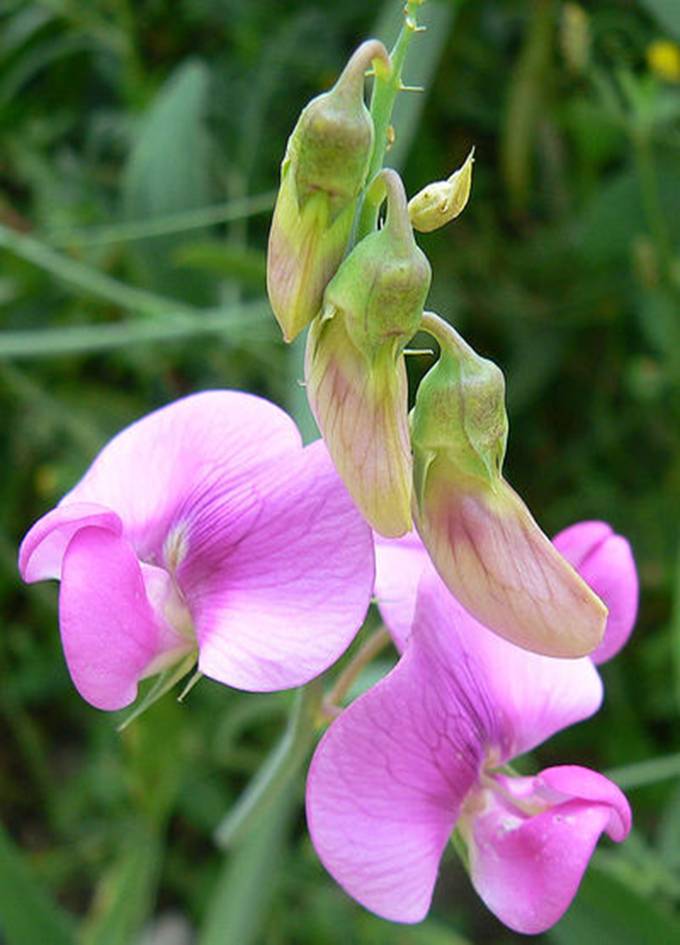
Lathyrus Latifolius Flowers
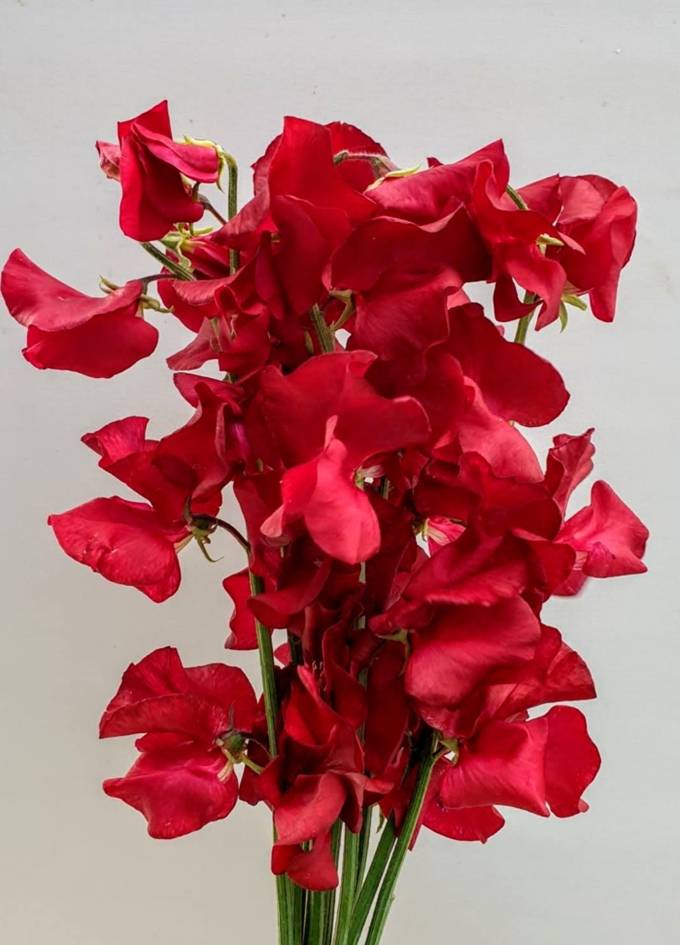
Lathyrus Parfum Deep Red
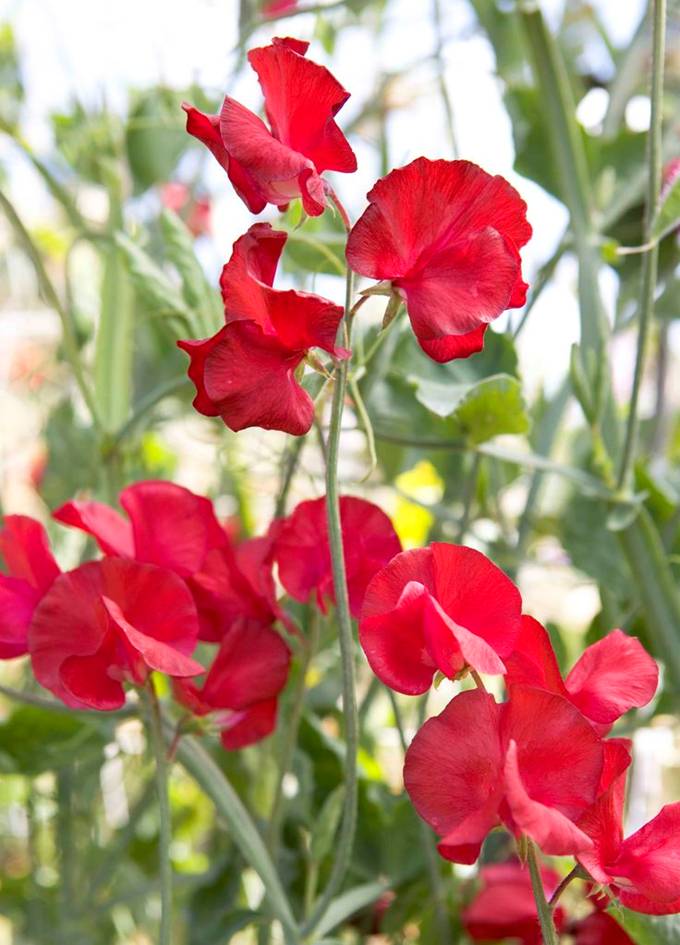
Lathyrus Odoratus
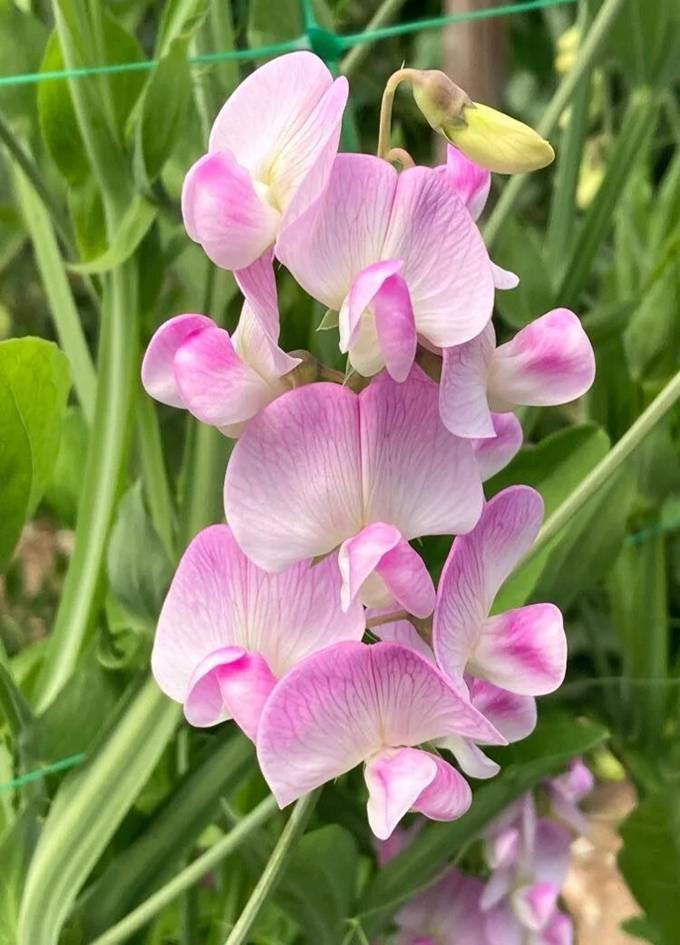
Lathyrus Species
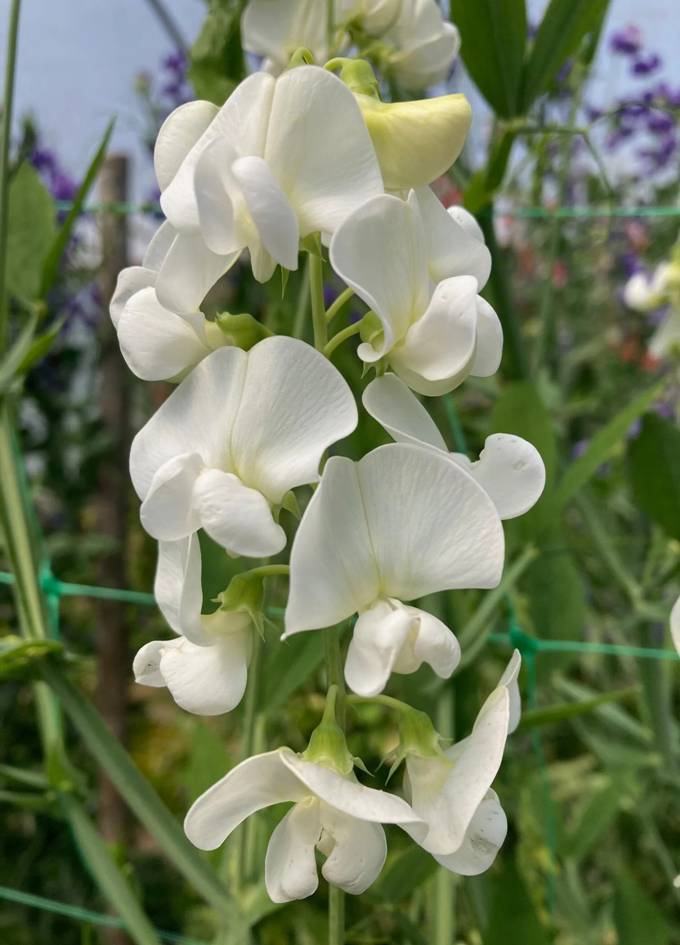
Lathyrus White Pearl