A Mediterranean Treasure with Asian Roots
The loquat, also known as Japanese plum or Eriobotrya japonica, belongs to the Rosaceae family. Despite its common name, the tree originated in China and perhaps Japan. It has adapted remarkably well to the Mediterranean basin, including Cyprus, due to its unique reversed annual cycle. The plant blooms in late fall and early winter, setting it apart from most other fruit trees. Gardeners cultivate it both for fruit production and as an attractive ornamental specimen.
Appearance and Growth
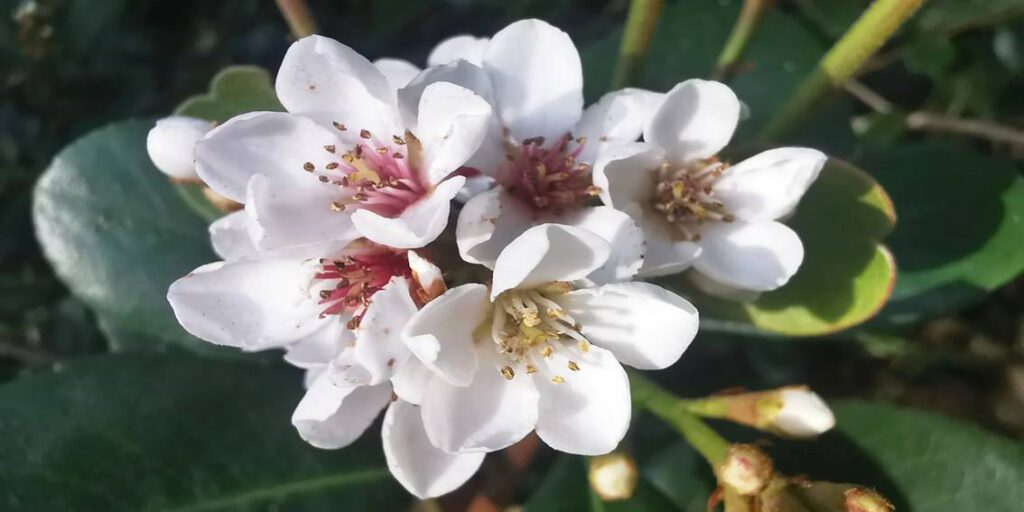
The loquat grows as a small, broadleaf evergreen tree, typically reaching 10 to 25 feet tall. Its leaves are one of its most striking features. They grow up to 12 inches long, with a leathery texture and strongly veined surface. The dark green upper side contrasts with the light green, rusty, woolly underside. The tree produces sweetly fragrant, five-petaled white flowers in large panicles during late fall and early winter.
The Fruit
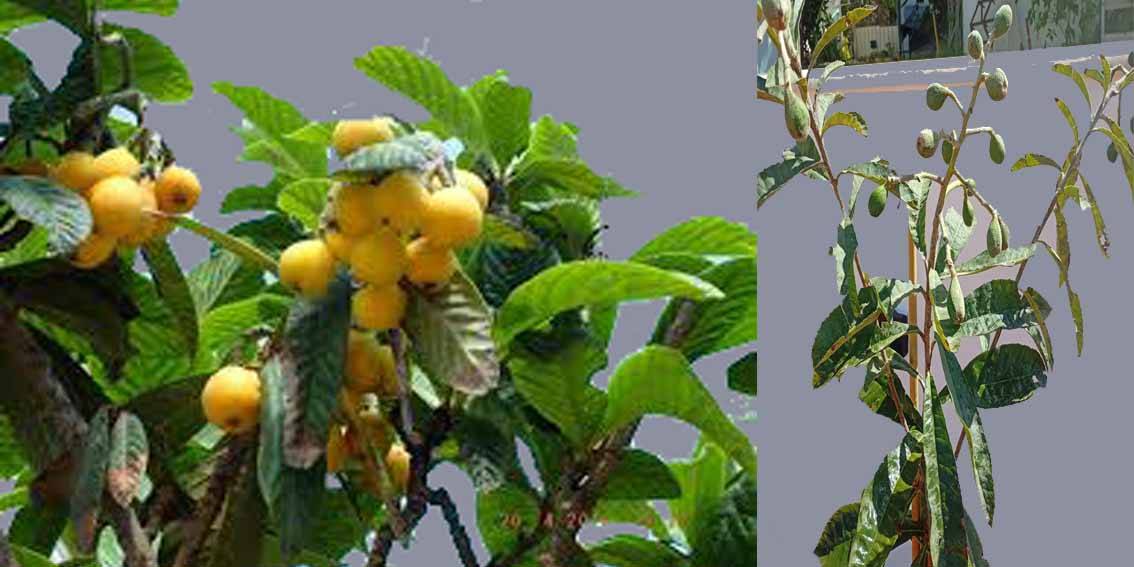
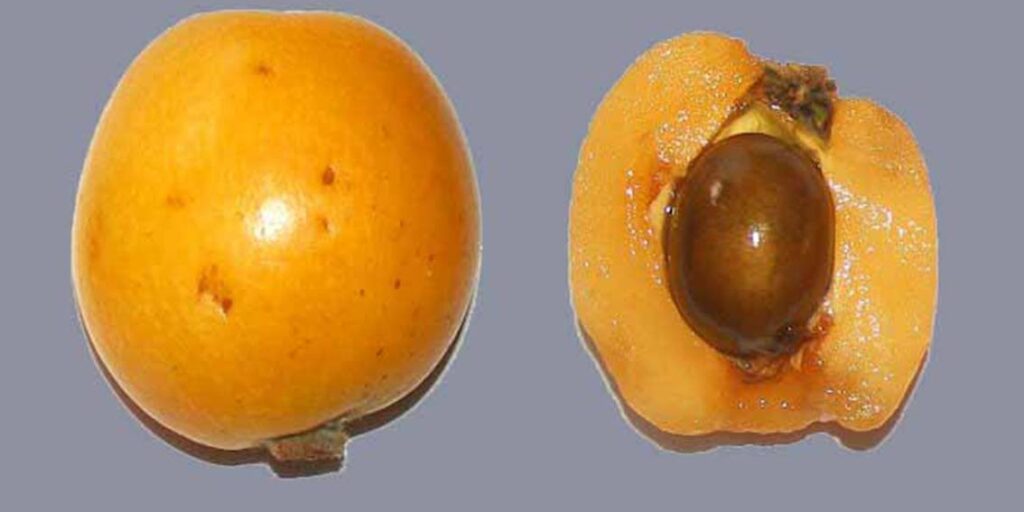
The fruit follows the flowers, ripening in spring, typically from February in warmer regions to April in cooler areas. Loquats grow in clusters and appear oval, rounded, or pear-shaped, reaching 1 to 2 inches in length. A smooth or slightly downy skin covers the fruit, ranging from yellow to orange, sometimes with a red blush. The succulent flesh inside can be white, yellow, or orange. Its flavour ranges from sweet to subacid or acid, depending on the cultivar. Each fruit contains one to several large brown seeds in its central cavity.
Cultivation in Cyprus
Loquat cultivation in Cyprus has a very ancient history. The tree thrives mainly in coastal regions, where growers often protect it with mesh or plastic covers. Two predominant cultivars dominate Cypriot production: ‘Karantoki’ and ‘Morphitiki’. These are considered indigenous or traditional cultivars, though they remain largely uncharacterised regarding their pomological properties.
The fruit ripens successively on the tree, requiring multiple harvests over several weeks. This characteristic allows growers to extend the harvesting season. Early harvested fruit commands appreciably higher prices on the market due to the scarcity of other fresh fruits during late winter and early spring. Despite its adaptability, farmers cultivate only a limited area, and production serves exclusively for domestic consumption.
Culinary Uses
Loquats offer versatility in the kitchen. The fruit contains high levels of sugar, acid, and pectin. People most commonly eat them fresh, straight from the tree. However, they also work well in:
Fresh fruit salads and fruit cups
Jams, jellies, and chutneys
Poached preparations in light syrup
Pies or tarts, particularly when made from firm, slightly immature fruits
Wines and other alcoholic beverages
Some describe the flavour as “floral” with hints of apricot and peach .
Important Safety Note
The seeds of the loquat contain compounds that can prove toxic if consumed in large quantities. They are mildly poisonous. The seeds should not be eaten. Young plant leaves also contain these compounds and require caution. While the fruit itself is safe and delicious, always remove and discard the seeds before eating or cooking.
Nutritional and Health Benefits
Loquats provide good nutritional value. They contain significant amounts of vitamin A, potassium, and manganese. The fruit also provides dietary fibre. In traditional medicine, particularly in the Far East, people use loquat leaves to make teas and remedies. Preparations from the leaves serve as an intestinal astringent, a mouthwash for thrush, and a treatment for bronchitis, coughs, and feverish colds. The fruit itself is slightly astringent, expectorant, and sedative.