The Armed Struggle for Freedom
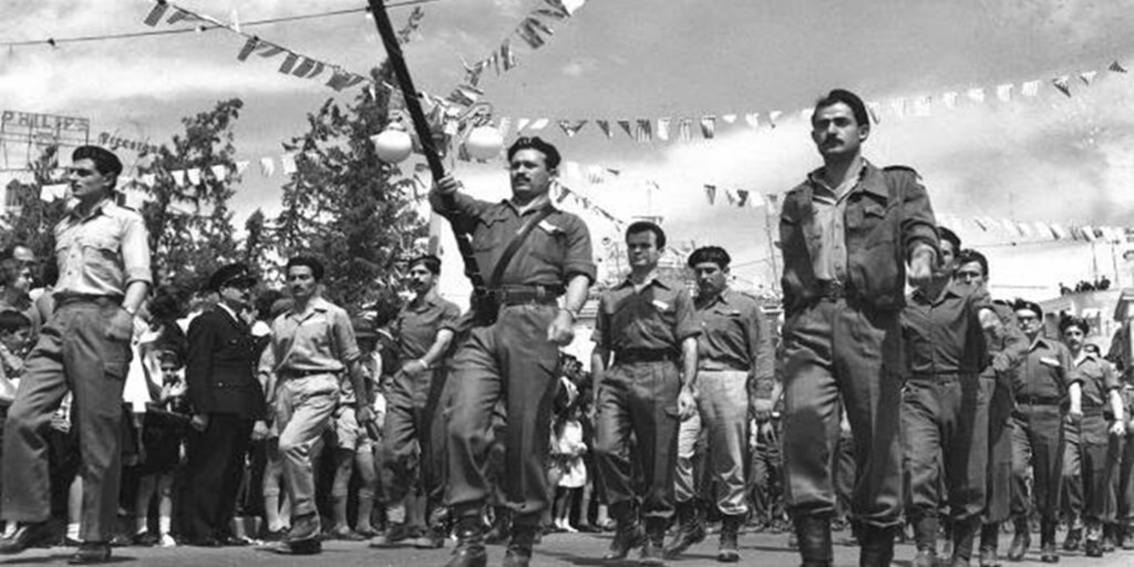
The Armed Struggle for Freedom: The National Organisation of Cypriot Fighters (EOKA) launched its armed campaign against British colonial rule on the night of March 31 to April 1, 1955. In a coordinated series of attacks, EOKA operatives detonated bombs at government installations and British military facilities across Cyprus. The organisation operated under the leadership of Colonel Georgios Grivas, a Greek Army officer and veteran of World War II, who adopted the nom de guerre “Digenis” after the legendary Byzantine hero Digenis Akritas. Archbishop Makarios III provided the political and diplomatic leadership for the movement, creating a dual structure of military action and political negotiation.
Aims and Ideology
EOKA’s primary objective was Enosis, the union of Cyprus with Greece. The organisation drew its ideological character from Greek nationalism, anti-communism, and religious conservatism. Grivas sought to subject the British to relentless harassment. He wanted to demonstrate that occupation carried a heavy price. He also aimed to keep the Cyprus question on the international diplomatic agenda. The movement attracted widespread support from the Greek Cypriot population. Students and young adults formed the backbone of its fighting force.
The Course of the Campaign
The armed struggle for freedom intensified throughout 1955 and 1956. EOKA fighters operated in small groups, conducting ambushes, bombings, and assassinations targeting British forces, police, and infrastructure. The British authorities responded by declaring a state of emergency in November 1955 and deploying thousands of troops to the island. In March 1956, the British exiled Archbishop Makarios III to the Seychelles, accusing him of supporting the insurgency. The Suez Crisis of 1956 temporarily depleted British forces, allowing EOKA to gain temporary advantage.
Key Figures and Sacrifice
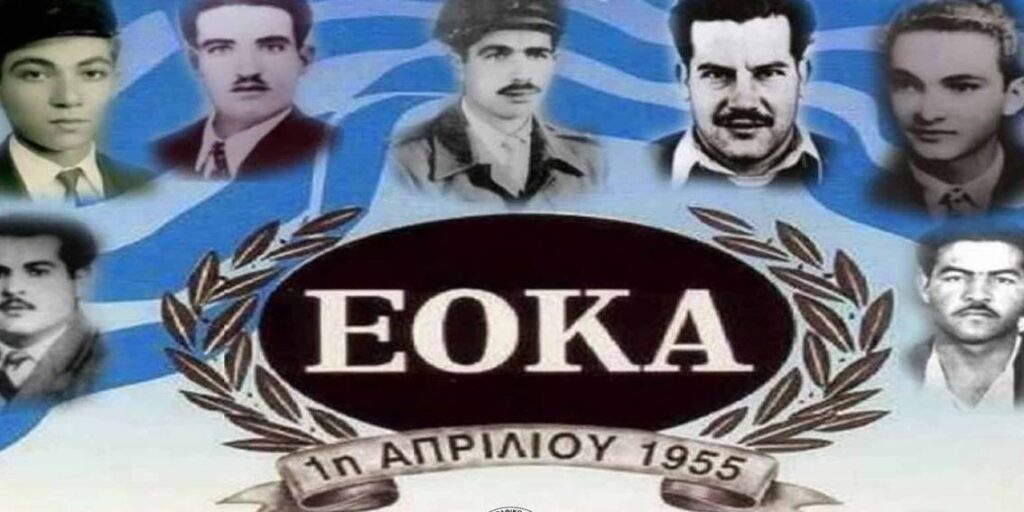
Several EOKA fighters became legendary figures in Cypriot national memory. Grigoris Afxentiou, second in command, died in a heroic last stand after British forces surrounded his hideout in March 1957, setting it ablaze when he refused to surrender. Evagoras Pallikarides, a teenage fighter, faced execution by hanging in 1957, becoming a symbol of youthful sacrifice. Kyriakos Matsis and Markos Drakos also fell during the struggle, their names forever etched in the national consciousness as martyrs.
The Road to Independence
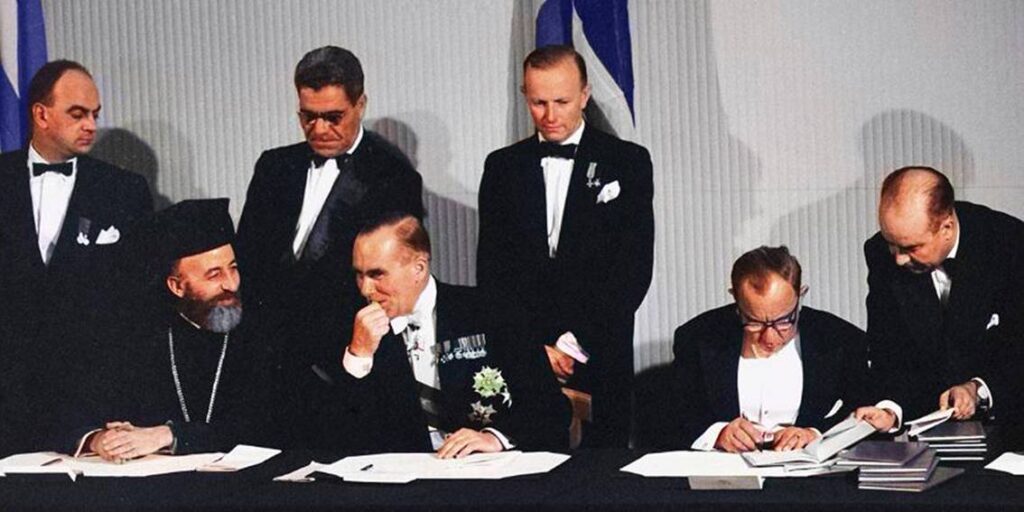
By 1958, the conflict took a darker turn as intercommunal violence erupted between Greek and Turkish Cypriots, with the Turkish Resistance Organisation (TMT) forming to oppose Enosis. The British recruited Turkish Cypriots into the security forces, intensifying ethnic divisions. In September 1958, Archbishop Makarios signalled his willingness to accept independence rather than insist on Enosis. The London-Zurich Agreements of February 1959 established Cyprus as an independent republic, with Britain retaining sovereign base areas at Akrotiri and Dhekelia. EOKA formally disbanded in March 1959, and Cyprus achieved independence on August 16, 1960.
Legacy and Commemoration
The EOKA struggle holds a complex and deeply significant place in Cypriot history. For many Greek Cypriots, the fighters remain heroes who liberated the island from colonial rule and established the Republic of Cyprus as a sovereign state. The struggle “may not have led to the coveted union with Greece, but it did bring about the most valuable asset to date, our statehood,” as President Nikos Christodoulides stated in 2025. The Parliament of Cyprus officially recognised the EOKA struggle in 1987 and established April 1st as the national commemorative day. Schools across Cyprus and Greece now hold educational tributes to mark the anniversary, ensuring the memory passes to younger generations.