A Mediterranean Native with Global Reach
Wild Clary, or Salvia verbenaca, is an herb native to the Mediterranean. It has become naturalized in parts of the eastern United States. Gardeners often cultivate it for its pleasant aroma and flavour. The plant offers several culinary uses. Even the delicate purple flowers are edible. People use them in salads as a vibrant and fragrant garnish.
A Common yet Unassuming Sage
Wild Clary, or Salvia verbenaca, is a modest perennial herb that carpets the Cypriot countryside with its understated beauty. This member of the Lamiaceae family, also known as Wild Sage, claims a vast native range spanning Western Europe, the Mediterranean, North Africa, and the Caucasus. In Cyprus, it grows as a native plant, adding its delicate presence to the island’s rich flora. The plant’s scientific name, Salvia verbenaca, links it to the large and celebrated sage genus, yet it often goes unnoticed compared to its more aromatic relatives.
Distinctive Appearance and Growth
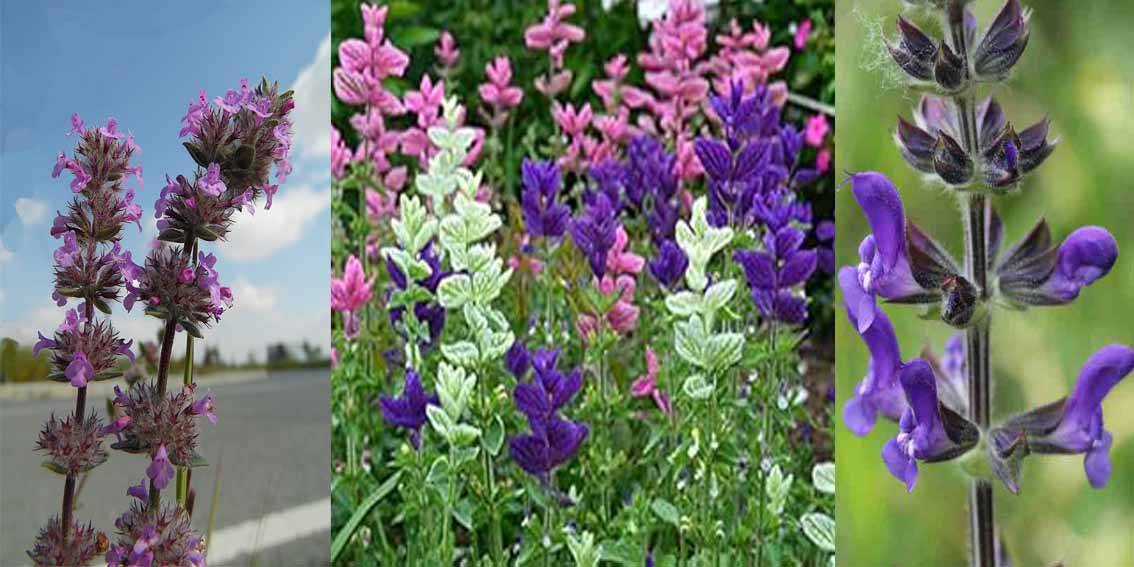
Wild Clary presents a subtle but interesting structure. The plant produces a basal rosette of wrinkled, dark green leaves during the winter months. These leaves vary in shape, ranging from oblong to oval, and may appear lobed or pinnately divided. As spring arrives, the plant sends up erect, branching stems that reach 10 to 80 cm in height. Hairy stems and leaves give the plant a slightly textured feel.
The flowers appear in loose or dense whorls along the upper part of the stem. They bloom in shades of violet, lilac, purple, or even white, each small flower measuring only 6-10 mm long. A green calyx covered in white hairs holds each bloom. In Cyprus, the flowering season runs from January to May, earlier than in northern Europe.
Habitat and Distribution
This adaptable sage thrives in open, sunny locations with well-drained soil. It favours neutral to alkaline ground and appears in dry grasslands, roadsides, field edges, and rocky slopes. You can find it from sea level up to an altitude of 900 metres across the island. Its tolerance for drought and poor soils makes it a resilient component of the Cypriot garigue and phrygana communities.
Clever Reproduction
Wild Clary employs an ingenious reproductive strategy. Bees and other insects visit the flowers for nectar and pollen, pollinating them in the process. However, the plant does not rely solely on these visitors. It also produces cleistogamous flowers, specialised blooms that never open. These flowers self-pollinate and set viable seed without any external help. This “closed marriage” ensures the plant reproduces successfully even when pollinators are scarce.
Edible and Traditional Uses
People have found various uses for Wild Clary throughout history. The young leaves add flavour to salads, cooked dishes, and teas. The flowers also make an attractive, edible garnish. The common name “Clary” derives from “clear-eye,” referring to a traditional medicinal use. Soaking the seeds in water produces a thick, jelly-like mucilage. People once used this substance to soothe eyes and remove dust particles. Analysis of the plant’s oil has revealed antibacterial, antioxidant, and anti-inflammatory properties, supporting its place in traditional medicine.