A Flash of Grey and Gold
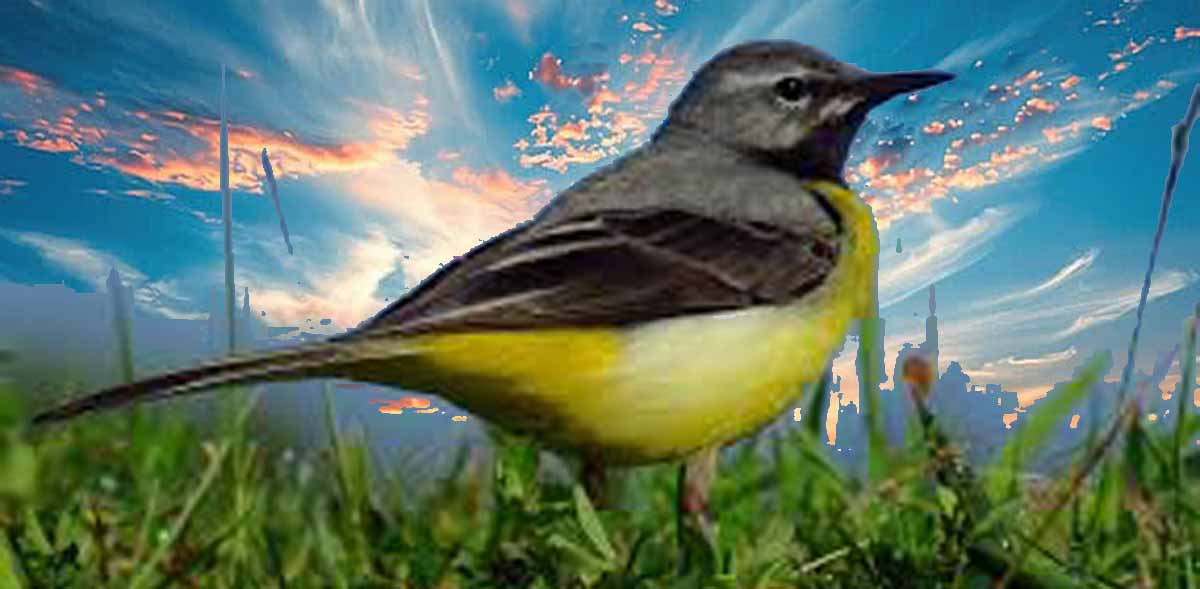
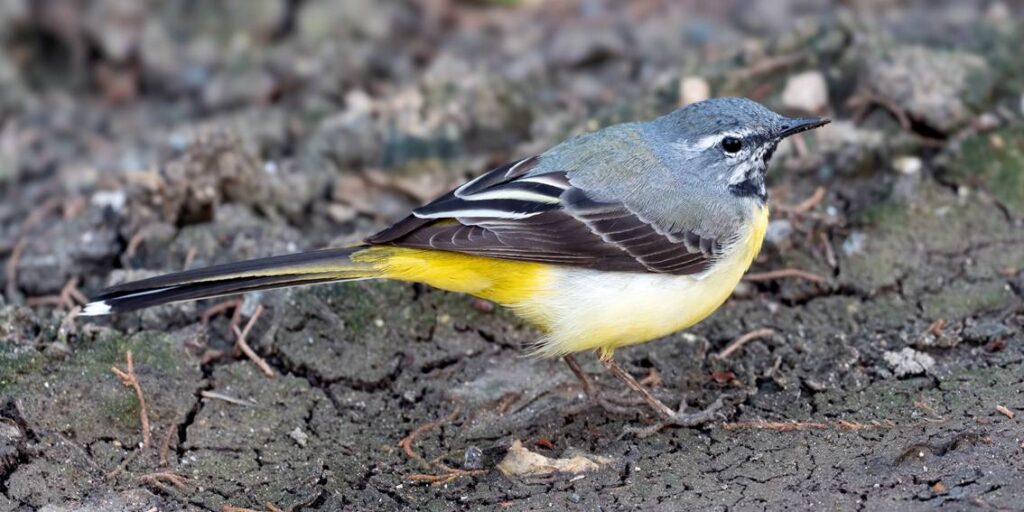
The Grey Wagtail bird is one of the most striking birds to visit Cyprus waterways. Despite its name, a closer look reveals beautiful pastel grey upperparts contrasted with a bright, lemon-yellow underside. This slender bird, longer in the tail than its relative the Pied Wagtail, is a delight to watch as it darts and bobs alongside fast-flowing streams.
Identifying Features
You can easily identify the Grey Wagtail by its unique colour combination. It has distinctive slate-grey or blue-grey head and back. The most noticeable feature is its vibrant yellow belly and under-tail, which becomes particularly bright during the breeding season. The male develops a black throat in the summer, which fades in winter. The female is similar but has a paler, less intense yellow and a mottled, not solid, black bib. They have a very long, constantly wagging tail, a characteristic habit of all wagtails.
Preferred Habitat
As its name suggests, the Grey Wagtail has a strong association with water. You will almost always find it near fast-flowing rivers and streams, especially in upland areas during the breeding season. They favour clean, healthy water sources with plenty of rocks and banks for foraging and nesting. In the winter, they often move to lower ground, appearing on lowland rivers, farmlands, and even in city centres. They occasionally visit gardens, particularly if you have a pond or a flowing water feature.
Diet and Feeding Habits
The Grey Wagtail bird feeds almost exclusively on insects and other small invertebrates. It actively hunts along the water’s edge, picking ants, midges, and mayflies from rocks and shallow water. It also snatches flies from the air with agile, fluttering flights. During winter, they may supplement their diet with small snails and even tadpoles. Unlike many garden birds, they do not eat seeds or peanuts. If you want to attract them, offer mealworms on a ground feeder or a bird table.
Breeding and Nesting
The breeding season runs from March to August. The pair builds a cup-shaped nest from twigs, grass, and moss, lining it with hair and fine roots. They almost always build their nest close to water, hiding it in a hollow or crevice on a riverbank, among rocks, or behind a waterfall. They also readily use man-made structures, frequently nesting under bridges or in holes in old walls. The female lays 3-6 speckled eggs and incubates them for around two weeks. Both parents then feed the chicks until they fledge after a further two weeks.
Voice and Call
The Grey Wagtail has a sharp, distinctive call that often reveals its presence. Listen for a high-pitched “tzi-zick” or a more metallic “tit” sound, usually given in flight. Its song is a pleasant series of trills, though you do not hear it as often as its contact calls.
Conservation Status
In the Cyprus, the Grey Wagtail is an Amber List species of conservation concern. Although still widespread, their population has undergone a significant decline of around 13% since the mid-1990s. The loss of high-quality riverbank habitats and vulnerability to severe winters pose the main threats to this beautiful bird.