The Cyprus Bee Orchid Flower “Melissaki”

The Cyprus Bee Orchid Flower “Melissaki”

The Enchanting Cyprus Bee Orchid

The Cyprus Bee Orchid Flower “Melissaki”: The island of Cyprus hides a secret treasure in its meadows and forests: a stunning array of wild orchids. While the island boasts over 40 species, one of the most remarkable is the endemic Cyprus Bee Orchid (Ophrys kotschyi), a flower that has perfected the art of deception. Locals affectionately call it “melissaki,” meaning “little bee”.

A Master of Deception

The Cyprus Bee Orchid does not rely on nectar to attract pollinators. Instead, it employs a clever trick. The flower’s lower petal, or lip, evolves to mimic the shape, texture, and colour of a female bee . To complete the illusion, it even produces a scent that imitates the female’s pheromones. This strategy tricks a male bee into attempting to mate with the flower, a behaviour known as pseudo copulation. As the bee moves from one flower to another, it transfers pollen, fertilising the orchids.

Appearance and Habitat

You can identify the Cyprus Bee Orchid by its unique features. A slender stem of 10 to 40 centimetres carries a loose cluster of two to ten flowers. The flower’s sepals are typically green, sometimes with a pinkish hue, flanking a velvety, dark brown to purplish-black lip. A distinctive, shiny, H-shaped pattern marks the centre of this lip, often bordered with white.

These orchids thrive in a variety of habitats across Cyprus, from humid shrubs and open pine forests to old olive groves and roadside verges. They favour elevations from sea level up to 900 metres, blooming mainly from March to April.

Conservation Status

Despite its wide distribution, the Cyprus Bee Orchid faces significant threats. Human activities, such as housing development, road construction, and land clearing, destroy many of its low-altitude habitats. Consequently, the plant appears in the Cyprus Red Book of Flora with a “Vulnerable” status. The law protects this orchid, so you must never pick or disturb it. Conservation efforts, including several Natural 2000 areas, aim to protect this remarkable species for the future.

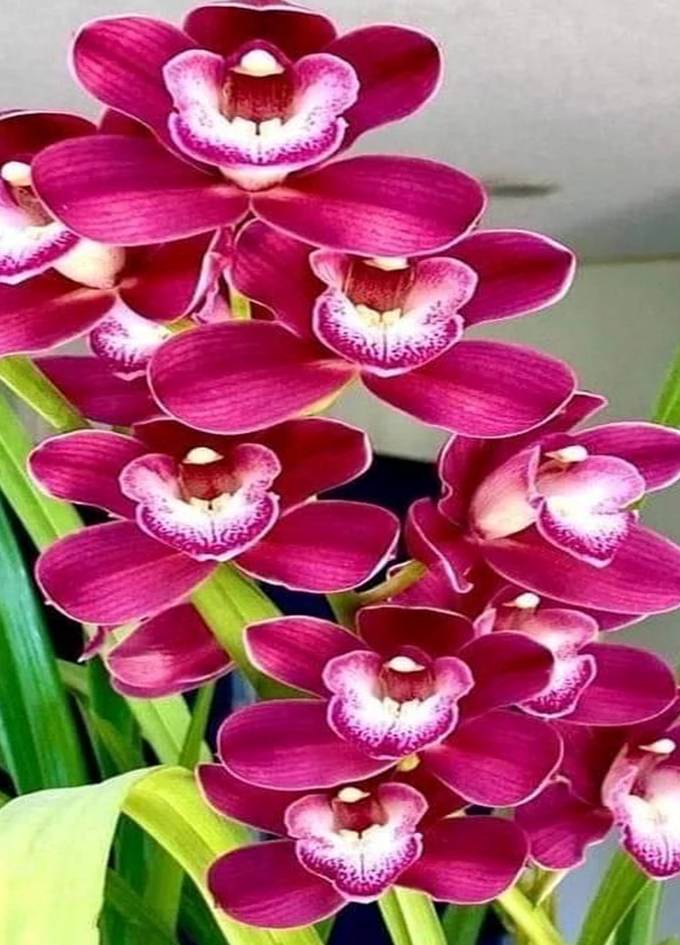
OTHER TYPES OF ORCHIDS

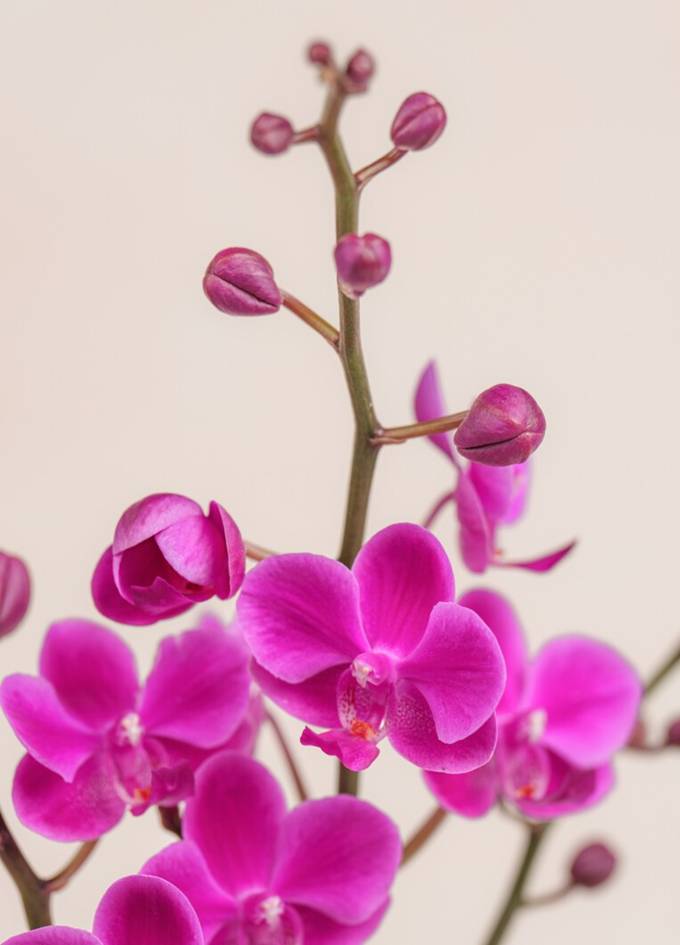
Magenta Orchid 12
Orchid 6
Orchid 10
Orchid 7
Yellow Orchid 5
Orchid 3
Orchid 8
Orchid 4
Translate »