How the War Began
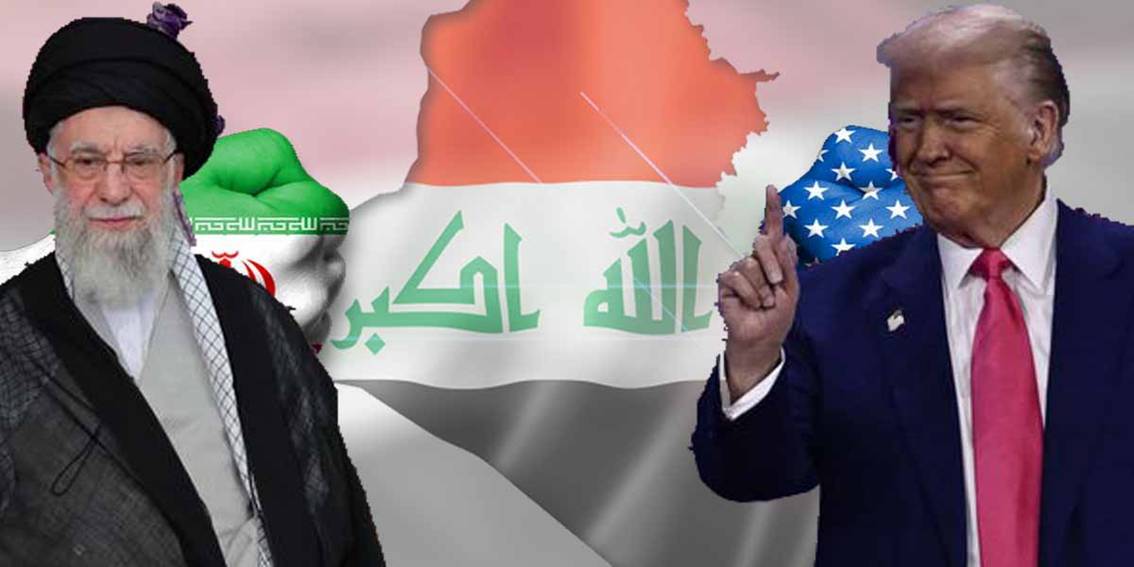
USA – Iran War: The war between the United States and Iran began on February 28 when the US and Israel attacked Iran. In the first week the killing Supreme Leader Ayatollah Ali Khamenei and other top leaders was anounced. In retaliation, Iran has been striking Israel and Gulf countries that host American bases. As of March 21, 2026, the conflict has entered its fourth week with no signs of de-escalation.
U.S. War Objectives: A Timeline of Shifting Goals
Throughout the conflict, President Trump and administration officials have offered varying and sometimes contradictory statements about the war’s objectives and timeline. Critics argue this reveals a lack of coherent planning.
Key Statements Chronologically
On February 28, 2026, as U.S.-Israeli strikes began, President Donald Trump explicitly called for regime change in Iran, stating: “The Iranian people should take over governance of their country”.
This statement, made in a social media post announcing the launch of military operations, signalled that the administration’s objectives extended beyond dismantling Iran’s military infrastructure to seeking the overthrow of the Islamic Republic itself. The comment drew immediate criticism from foreign policy experts who warned that publicly declaring regime change as a war aim could unify Iranians behind their government and complicate exit strategies.
The administration later shifted its messaging, with Secretary Hegseth emphasizing more limited military objectives while Trump simultaneously continued to demand “unconditional surrender”.
“Destroy Their Missiles… Annihilate Their Navy”
On February 28, 2026, hours after launching Operation Epic Fury, President Donald Trump issued a stark declaration of U.S. military objectives against Iran on social media. He wrote that America was prepared to “destroy their missiles, annihilate their navy, and end their ability to make war for years to come”.
The statement followed initial U.S. strikes that reportedly damaged or destroyed over 120 Iranian naval vessels, including all 11 of Iran’s submarines. Trump’s aggressive language set the tone for what he initially projected would be a “four to five week” campaign, though administration officials later offered varying timelines and objectives as the conflict progressed.
“Four to Five Weeks”
On March 2, 2026, President Donald Trump projected the war would last “four to five weeks.” He made this estimate on social media just three days after the initial strikes, suggesting a swift and contained conflict.
Critics immediately questioned the prediction’s credibility. Past U.S. military engagements—including Iraq and Afghanistan—demonstrated that such timelines rarely hold. The administration later abandoned this forecast. By March 19, Secretary Hegseth stated “no time frame” for ending the war. Trump himself later declared the conflict would conclude “when I feel it in my bones,” further distancing from his original timeline.
“Unconditional Surrender”
On March 6, 2026, President Donald Trump issued a stark demand: “No deal with Iran except UNCONDITIONAL SURRENDER.”
The statement appeared on social media as the war entered its second week. Trump rejected any negotiated settlement short of Iran’s complete capitulation. He offered no clarification on what “unconditional surrender” would entail for Iran’s government, military, or territorial integrity.
Foreign policy experts criticized the demand. They warned that requiring unconditional surrender would likely prolong the conflict and eliminate any diplomatic off-ramp. The administration’s messaging remained inconsistent, with other officials suggesting more limited objectives while Trump maintained his hard-line stance.
French President Macron Visits Cyprus amid Tensions
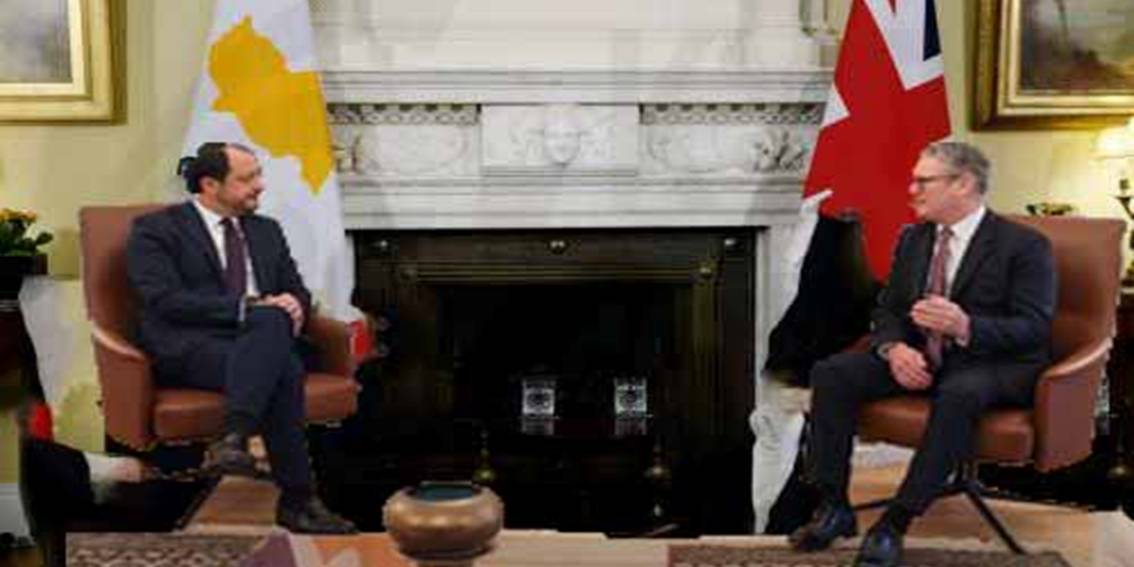
On March 9, 2026, French President Emmanuel Macron arrived in Cyprus to discuss regional security, with the US-Israeli war on Iran stretching into its second week. He landed in Paphos and met Cypriot President Nikos Christodoulides and Greek Prime Minister Kyriakos Mitsotakis for talks .
Macron made a strong declaration of support: “When Cyprus is attacked, it is Europe that is attacked”. He emphasized that strategic partnerships bind the nations together.
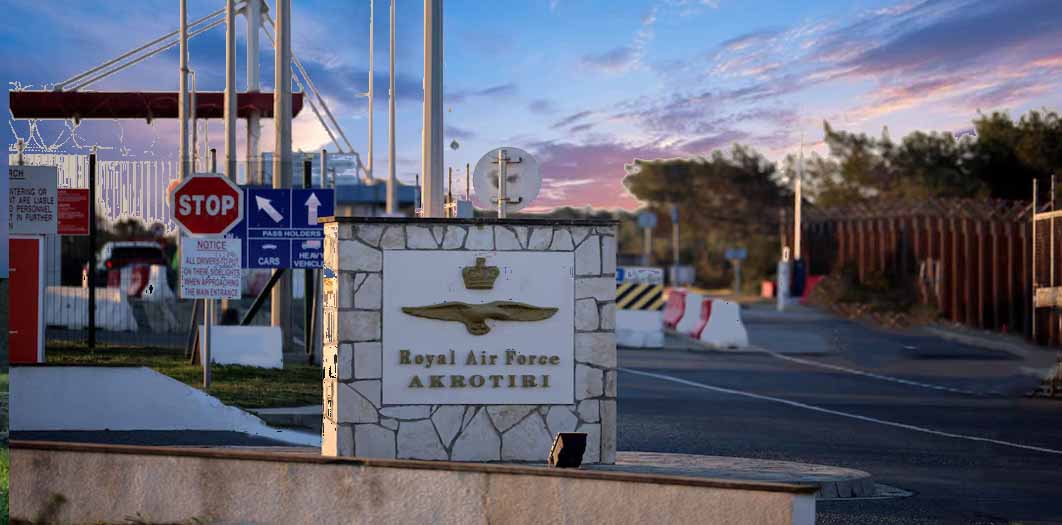
The visit came after a Shahed drone struck RAF Akrotiri, a British base on Cyprus’s southern coast, on March 2—the first drone attack of the Iran war on European territory. Iran-backed Hezbollah in Lebanon launched the drone.
Macron ordered French military assets to the region, including the aircraft carrier Charles de Gaulle with 20 Rafale fighter jets, the frigate Languedoc, and ground-based anti-drone and anti-missile defences. France deployed eight warships and two helicopter carriers in an “unprecedented” show of strength.
“When I Feel It in My Bones”
On March 13, 2026, President Donald Trump offered his most personal and unconventional timeline yet for ending the war with Iran. When a reporter asked how he would know when to stop the conflict, Trump replied: “When I feel it in my bones.”
The statement marked a significant departure from his earlier “four to five week” projection. It signalled that no clear metric, military objective, or diplomatic condition would determine the war’s conclusion.
Critics condemned the remark as deeply concerning. They argued that such a subjective approach to wartime decision-making disregarded the lives of service members, civilians, and strategic stability.
Trump Signals “Winding Down” Consideration
On March 20, 2026, President Donald Trump announced the U.S. was “getting very close to meeting our objectives” and “considering winding down” military efforts. However, when pressed about a ceasefire, Trump declared: “I don’t want to do a ceasefire.”
Iran Threatens Global Tourism Sites
Iran’s top military spokesperson, Gen. Abolfazl Shekarchi, warned that “parks, recreational areas and tourist destinations” worldwide would not be safe for U.S. and Israeli citizens—signaling a possible return to international terrorist attacks.
U.S. Deploys More Marines
Despite “winding down” comments, the U.S. deployed three additional amphibious assault ships and approximately 2,500 Marines to the region, bringing total reinforcements to 5,000 personnel.
Israel Strikes “Regime Targets” in Tehran
The Israeli military launched strikes on “regime targets” in Tehran early Saturday, March 21, 2026, after detecting at least three rounds of Iranian missile fire at Israel within six hours. The Israeli Defence Forces stated they are “deepening the degradation of the Iranian regime’s fire array”. Air raid sirens sounded across large parts of Israel, though officials reported no casualties. The strikes also targeted Hezbollah in Beirut.
Saudi Intercepts 10 Drones
Saudi Arabia’s Defence Ministry intercepted and destroyed 10 drones in the eastern region overnight, near the country’s major oil fields and refineries. The ministry later announced air defences shot down an additional 12 drones, bringing the total to 22 . Since the war began on February 28, Iran has launched at least 575 drones and 49 ballistic missiles at Saudi Arabia.
US Temporarily Lifts Iranian Oil Sanctions
The US Treasury authorized a 30-day license allowing the sale and delivery of Iranian oil already loaded on vessels at sea. The waiver applies to oil loaded on or before March 20 and expires April 19, 2026. Treasury Secretary Scott Bessent explained: “We will be using the Iranian barrels against the Iranians to keep the price down”. The move aims to release approximately 140 million barrels to global markets amid soaring prices due to the Strait of Hormuz disruption.

Congresswoman Malliotakis Slams Turkish F-16 Deployment in Occupied Cyprus
Lawmaker Denounces Turkish Provocation
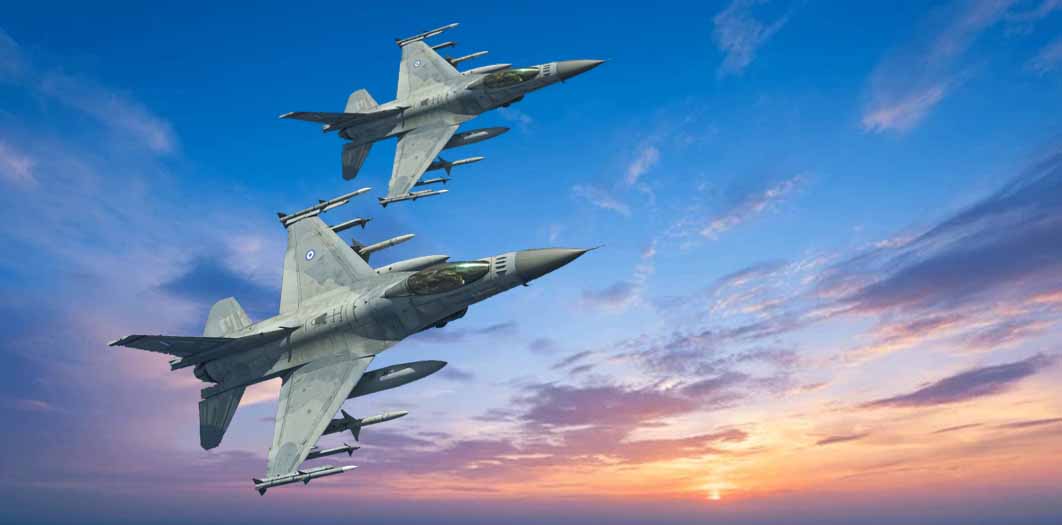
New York Congresswoman Nicole Malliotakis has strongly condemned Turkey’s decision to station F-16 fighter jets in the occupied areas of Cyprus. She calls the move provocative and a direct breach of US law. Malliotakis contends that Turkey’s actions weaken Cyprus—a vital US ally—and fuel further instability across the Eastern Mediterranean.
Legislation Seeks to End Arms Embargo Permanently
Her intervention supports a wider Congressional initiative to deepen defence ties with Cyprus through the “End Cyprus Embargo Act.” This legislation would permanently remove the US arms embargo on the Republic of Cyprus, removing the requirement for annual Congressional renewal.
Malliotakis Questions Turkey’s Trustworthiness
Malliotakis openly questions whether Turkey deserves access to American military hardware. She points to the F-16 deployment in Cyprus and past Turkish fighter jet over flights of Greek islands as proof of Ankara’s unreliability. She insists Congress must respond decisively to Ankara’s behaviour.
Cyprus Serves as Critical Lifeline for Refugees
The congresswoman also emphasized Cyprus’s importance as a humanitarian gateway for people escaping conflict in the Middle East, including American citizens. She noted the State Department’s recent decision to upgrade its travel advisory for Cyprus, reflecting heightened security concerns.
Ending Embargo Boosts Defence and Stability
Malliotakis argues that lifting the embargo would:
Enhance Cyprus’s ability to defend itself
Support American defence manufacturers
Promote greater stability throughout the region