
Iranian ballistic Missiles Strike Turkish Territory
Iranian ballistic missiles are launched into Turkish territory in two separate incidents within the past week. On March 4 and March 9, 2026, Iranian missiles entered Turkish airspace, with fragments landing in the provinces of Hatay and Gaziantep. NATO air defence systems intercepted both missiles over the eastern Mediterranean before they could cause casualties or significant damage. Turkish security sources confirm the missiles travelled 1,200 kilometers from a launch site east of Tehran.
Ankara’s Stern Response
President Recep Tayyip Erdoğan issued a firm warning to his Iranian counterpart Masoud Pezeshkian on Monday. He declared the airspace violation “cannot be excused for any reason whatsoever”. Turkey immediately summoned the Iranian ambassador. Officials demanded an explanation for the missile strikes. The Turkish Foreign Ministry released a strong statement. It said Turkey will “resolutely and without hesitation take all necessary measures”. This applies to any threats directed against Turkish territory and airspace.

Message to Turkey From Mojtaba Khamenei
Direct Warning via Back-Channels
Iran’s new Supreme Leader Mojtaba Khamenei has delivered a blunt warning to Turkey through diplomatic intermediaries following NATO’s interception of Iranian missiles over Turkish airspace. The message, conveyed on March 10, 2026, warns Ankara not to allow the United States to use Turkish soil for military operations against Iran or face “serious consequences”.
No Official Direct Communication
Despite the warning, Mojtaba Khamenei has not issued any direct, public statement specifically addressed to Turkey since assuming leadership. Iranian officials continue to deny launching projectiles toward Turkish territory, instead blaming Israel for attempting to undermine Iran-Turkey relations.
NATO Bolsters Defences
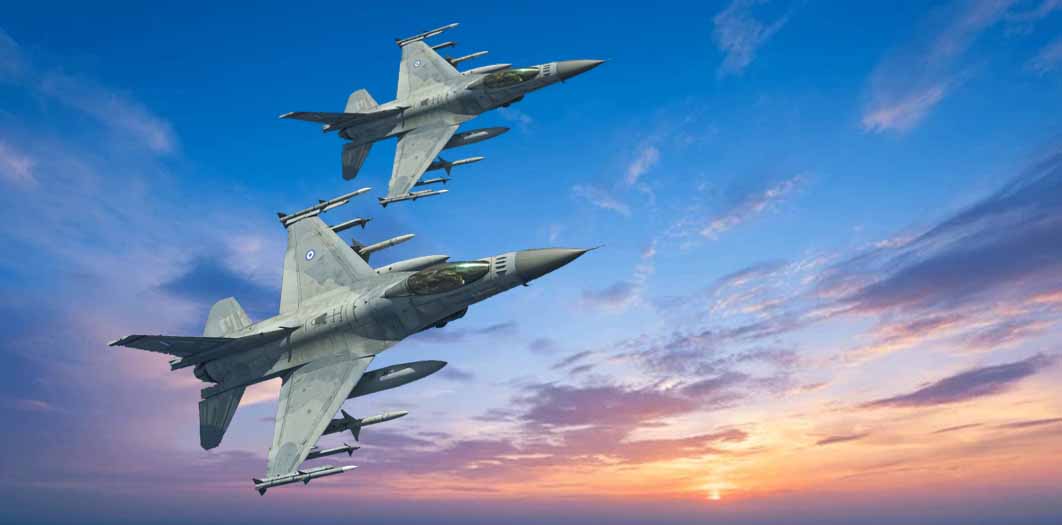
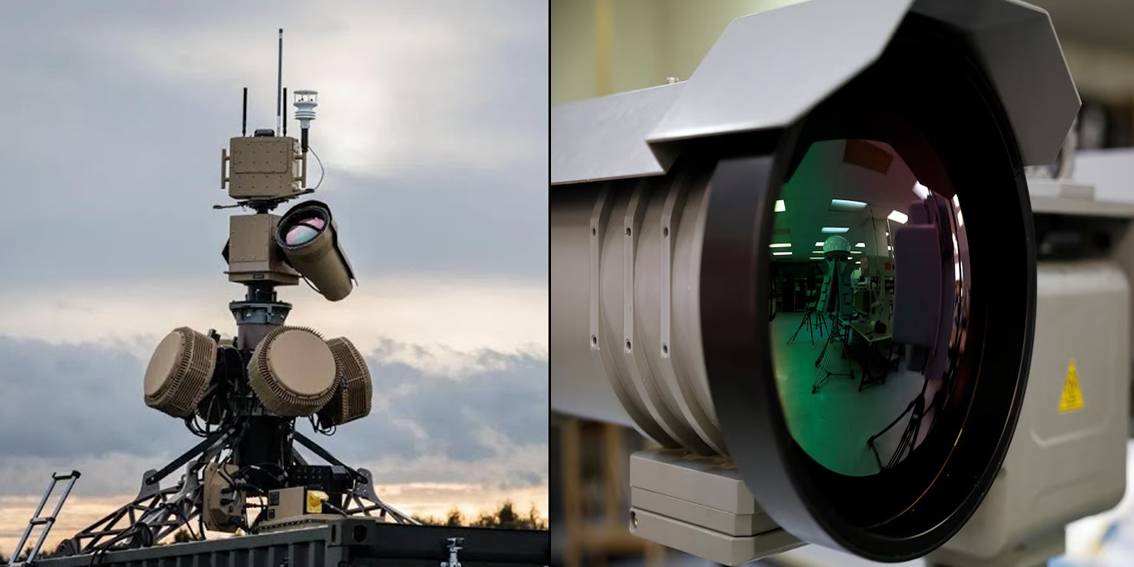
In response to the attacks, NATO has deployed a Patriot missile defence system to Malatya province in central Turkey. The system will protect the Kurecik air base, key NATO facility housing early-warning radar that detects Iranian ballistic missiles launches. Turkey has also deployed six F-16 fighter jets and additional air defence systems to the Turkish Republic of Northern Cyprus amid escalating regional tensions.
Theories Behind the Attack
Turkish security sources attribute the launches to Iran’s “mosaic defence” military doctrine, where sector commanders may execute pre-attack orders independently if central leadership becomes incapacitated. Some officials speculate the ballistic missiles targeted the Kurecik radar base to test NATO’s air defence capabilities. Others suggest the missiles may have veered off course while targeting US assets in the region. Iran’s leadership denies intentionally targeting Turkey, with President Pezeshkian proposing a joint investigative commission.
Rising Regional Tensions
The attacks come amid a broader escalation between Iran and US-Israeli forces that has caused nearly 1,900 deaths across eleven Middle Eastern countries. Iran has threatened that Turkey could become a “permanent target” if it continues assisting US operations. Meanwhile, the United States has temporarily closed its consulate in Adana and ordered non-essential personnel to leave south-eastern Turkey due to security risk EMERGENCY:
IRAN ATTACKS TURKEY
Iranian Ballistic Missiles Strike Turkish Territory
Iran has launched ballistic missiles that struck Turkish territory in two separate incidents within the past week. On March 4 and March 9, 2026, Iranian missiles entered Turkish airspace, with fragments landing in the provinces of Hatay and Gaziantep. NATO air defence systems intercepted both missiles over the eastern Mediterranean before they could cause casualties or significant damage. Turkish security sources confirm the missiles travelled 1,200 kilometres from a launch site east of Tehran.
Ankara’s Stern Response
President Recep Tayyip Erdoğan delivered a firm warning to his Iranian counterpart Masoud Pezeshkian on Monday, declaring the airspace violation “cannot be excused for any reason whatsoever”. Turkey immediately summoned the Iranian ambassador for an explanation. The Turkish Foreign Ministry stated it will “resolutely and without hesitation take all necessary measures against any threats directed against the territory and airspace of our Turkey”.
NATO Bolsters Defences
In response to the attacks, NATO has deployed a Patriot missile defence system to Malatya province in central Turkey. The system will protect the Kurecik air base, key NATO facility housing early-warning radar that detects ballistic missile launches. Turkey has also deployed six F-16 fighter jets and additional air defence systems to the Turkish Republic of Northern Cyprus amid escalating regional tensions.
Theories Behind the Attack
Turkish security sources attribute the launches to Iran’s “mosaic defence” military doctrine, where sector commanders may execute pre-attack orders independently if central leadership becomes incapacitated. Some officials speculate the missiles targeted the Kurecik radar base to test NATO’s air defence capabilities. Others suggest the missiles may have veered off course while targeting US assets in the region. Iran’s leadership denies intentionally targeting Turkey, with President Pezeshkian proposing a joint investigative commission.
Rising Regional Tensions
The attacks come amid a broader escalation between Iran and US-Israeli forces that has caused nearly 1,900 deaths across eleven Middle Eastern countries. Iran has threatened that Turkey could become a “permanent target” if it continues assisting US operations. Meanwhile, the United States has temporarily closed its consulate in Adana and ordered non-essential personnel to leave south-eastern Turkey due to security risks.