
Paris Sends Air Defence Systems and Frigate
Paris Sends Air Defence Systems and Frigate: France is dispatching anti-missile and anti-drone systems to Cyprus, along with a naval frigate, to enhance the island’s defence capabilities. French President Emmanuel Macron communicated the decision directly to Cypriot President Nikos Christodoulides early on Tuesday, March 3rd. This deployment follows Greece’s rapid military assistance and signals growing European solidarity as regional tensions escalate following drone attacks on the British RAF Akrotiri base.
Direct Communication Between Presidents
President Christodoulides held two telephone conversations with President Macron on Monday, during which the Cypriot leader conveyed a formal request for assistance. Macron called back early Tuesday to confirm France’s positive response. The French President informed Christodoulides that France will send anti-missile and anti-drone systems to the island, together with one frigate immediately. A second French frigate will deploy to Cyprus at a later stage. A Cypriot government source, speaking on condition of anonymity, has confirmed the report.
What France Is Sending
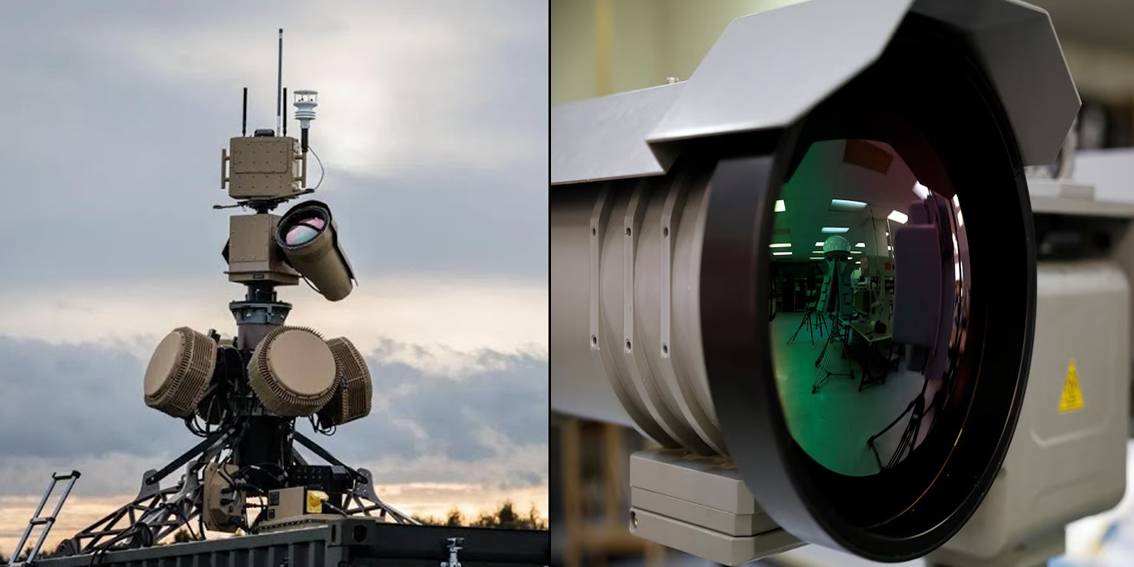
The French deployment includes comprehensive air defence assets. Anti-missile and anti-drone systems will strengthen Cyprus’s ability to detect and neutralise aerial threats similar to the Iranian-made Shahed drone that struck RAF Akrotiri on Monday. A French naval frigate will operate in the region, providing additional maritime security and air defence coverage. Government Spokesman Konstantinos Letymbiotis confirmed that France’s assistance will be “similar to that of Greece,” indicating a coordinated European approach to protecting Cypriot sovereignty.
Greece’s Parallel Deployment
France’s action complements the significant Greek military presence now operating in and around Cyprus. Greece has dispatched four F-16 fighter jets to the island, which now patrol Cypriot skies. Two Hellenic Navy frigates, the Kimon and the Psara, are also sailing to Cyprus. The Psara carries the Greek-developed “Centaur” anti-drone jamming system, which successfully detected and incapacitated low-flying drones during operations against Houthi rebels off Yemen. Defence Minister Nikos Dendias arrived in Cyprus on Tuesday for high-level consultations with his Cypriot counterpart, Vasilis Palmas.
Germany Also Considering Support
President Christodoulides has also requested that Germany deploy a frigate to Cyprus during a telephone conversation with German Chancellor Friedrich Merz on Monday. Merz responded positively to the request. A formal decision by the German government is expected in the coming period, which would add another European naval asset to the defensive shield forming around the island.
Why European Allies Are Acting Now
The military build-up follows two drone incidents targeting the British RAF Akrotiri base in Cyprus. At 12:03 a.m. on Monday, an Iranian-made Shahed-type unmanned aerial vehicle struck within the military facilities, causing minor material damage to the runway. Hours later, authorities detected two additional drones heading towards the base. Forces intercepted them in a timely manner before they could reach their target. These attacks, part of Iran’s wider retaliation following US-Israeli strikes, have prompted Cyprus to seek enhanced protection from its European partners.
A Unified European Response
The French and Greek deployments represent a coordinated European effort to defend a member state facing spillover from a regional conflict. France stressed it is not involved in the US-Israeli strikes on Iran, focusing instead on defensive support for Cyprus. This distinction aligns with Cyprus’s own position of non-participation in offensive operations while taking all necessary measures for national security. As military tensions continue across the Middle East, the presence of French air defence systems, Greek fighter jets, and European naval assets sends a clear message: European allies stand united in protecting Cyprus.