Mojtaba Khamenei: A Leader Emerges from the Shadows
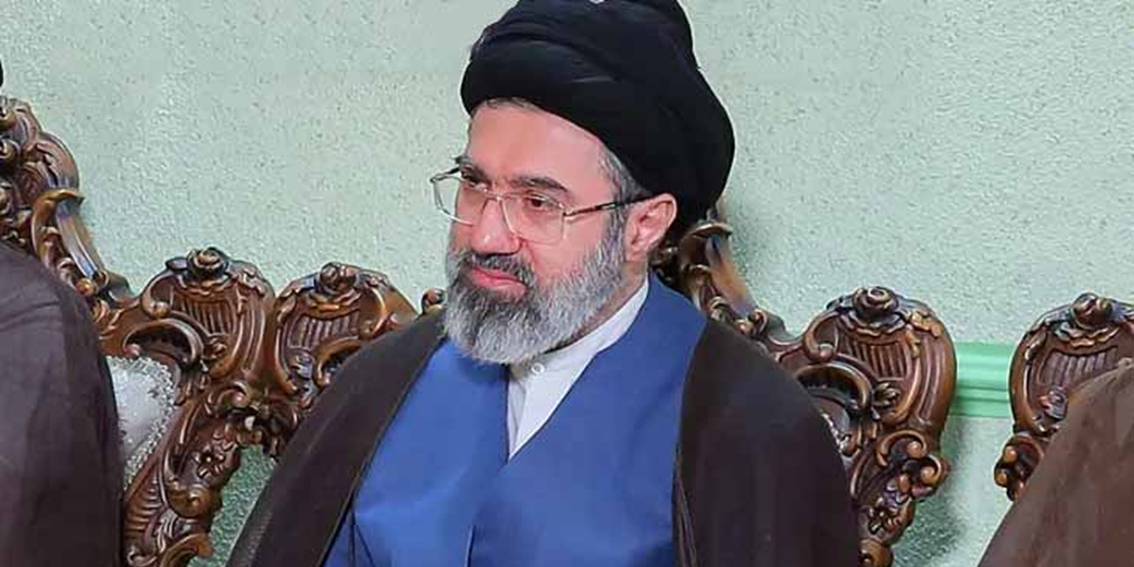
Mojtaba Khamenei issued his first public message on March 12, 2026, days after US-Israeli strikes killed his father, former Supreme Leader Ali Khamenei, along with his wife, sister, her young child, and his brother-in-law. A state television news anchor read the lengthy written statement, as the new Leader reportedly sustained wounds during the same attack that killed his father. Iranian state media described him as a “wounded veteran of the Ramadan war,” confirming his injury while assuring the nation of his capability to lead. He described seeing his father’s body with fist still clenched, “a final symbol of defiance against oppression”.
The File of Revenge: Official State Policy
Mojtaba Khamenei established revenge as official state policy in his first address. “I assure everyone that we will not abandon revenge for the blood of the martyrs,” he declared. He created a formal “file of revenge” encompassing every Iranian killed in the conflict, not merely senior figures. He expressed special sensitivity regarding the strike on a girls’ school in Minab that killed approximately 150 students, framing it as a deliberate crime demanding justice.
The new Leader outlined a three-tier approach to exacting compensation. “We will seek compensation from the enemy. If they refuse, we will take as much of their property as we determine. If that is not possible, we will destroy the same amount of their property,” he stated. He confirmed that only “a limited amount of this revenge has so far taken concrete form,” placing the file atop all other priorities until full achievement.
The Strait of Hormuz: Economic Warfare Lever
Mojtaba Khamenei explicitly committed to maintaining closure of the Strait of Hormuz, through which one-fifth of global oil passes. “The will of the people is for the continuation of an effective and deterrent defence that will make the enemy regret its actions,” he said. “The lever of blocking the Strait of Hormuz must certainly continue to be used. Presence on the scene must be maintained, and the Strait of Hormuz must remain closed”.
He framed this not as aggression but as leverage—a strategic tool to pressure adversaries. Iranian naval forces claim “full control” over the strait, and maritime traffic now requires strict coordination with Iran’s navy.
Expanding the Battlefield: New Fronts Await
The new Leader revealed completed plans for opening additional fronts against adversaries. “Studies have also been carried out on opening other fronts in which the enemy has little experience and in which it will be extremely vulnerable,” he warned. He confirmed that activation of these fronts “will take place if the state of war continues, based on the observation of national interests”.
This language strongly signals asymmetric warfare capabilities beyond current operations, creating maximum uncertainty for Iran’s adversaries. By announcing this capability without specifying details, he forces enemies to prepare for threats they cannot anticipate.
Regional Relations with a Red Line
Mojtaba Khamenei carefully calibrated his message to Iran’s neighbours. “We have land or sea borders with fifteen countries, and we have always been and remain willing to have warm and constructive relations with all of them”. However, he drew an absolute red line regarding US military bases.
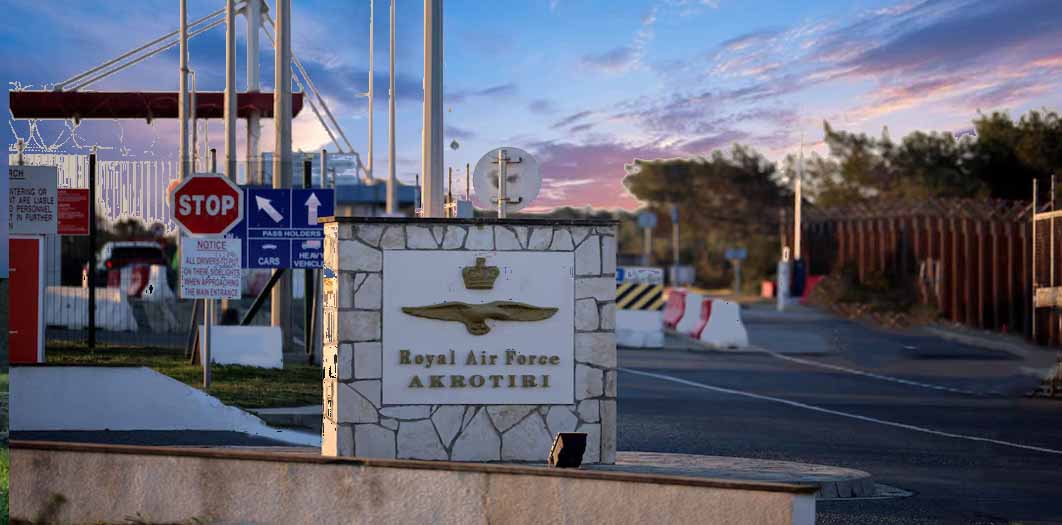
“These countries must clarify their position regarding the aggressors against our dear homeland and the murderers of our people. I advise them to close those bases as soon as possible. They must have realized by now that America’s claim of establishing security and peace was nothing but a lie”. He confirmed that Iran will continue striking these bases while sparing host nations, urging regional states to distance themselves from American military presence.
Gratitude to the Resistance Front
The new Leader expressed sincere thanks to Iran’s regional allies. “We consider the countries of the Resistance Front to be our best friends. The matter of resistance and the Resistance Front is an inseparable part of the values of the Islamic Revolution”. He specifically thanked “Hezbollah, our brave and faithful brothers in Yemen, and the courageous resistance groups in Iraq for their unwavering support of the Islamic Republic and the oppressed people of Gaza”.
Domestic Unity and Care for the Wounded
Mojtaba Khamenei praised Iranians for maintaining stability during the leadership transition. “Unity among all individuals and strata of the nation must not suffer harm. We will achieve this by overlooking points of disagreement”. He emphasized that “leadership holds no effectiveness without the support and presence of the people”.
He ordered concrete measures addressing wartime suffering: free comprehensive medical care for all wounded and compensation for property damage, with required reporting back on implementation. These practical directives address immediate needs while demonstrating the new leadership’s attention to citizen welfare.
A Covenant with a Nation at War
The message makes an uncompromising covenant with the Iranian people: the Leader will pursue revenge for every martyr, maintain economic pressure through the Strait of Hormuz, demand US base closures, and potentially expand the war to unpredictable new fronts. For the Islamic Republic, March 12, 2026, marks not just a new Leader’s emergence, but the articulation of a war policy that will shape the region for years to come.