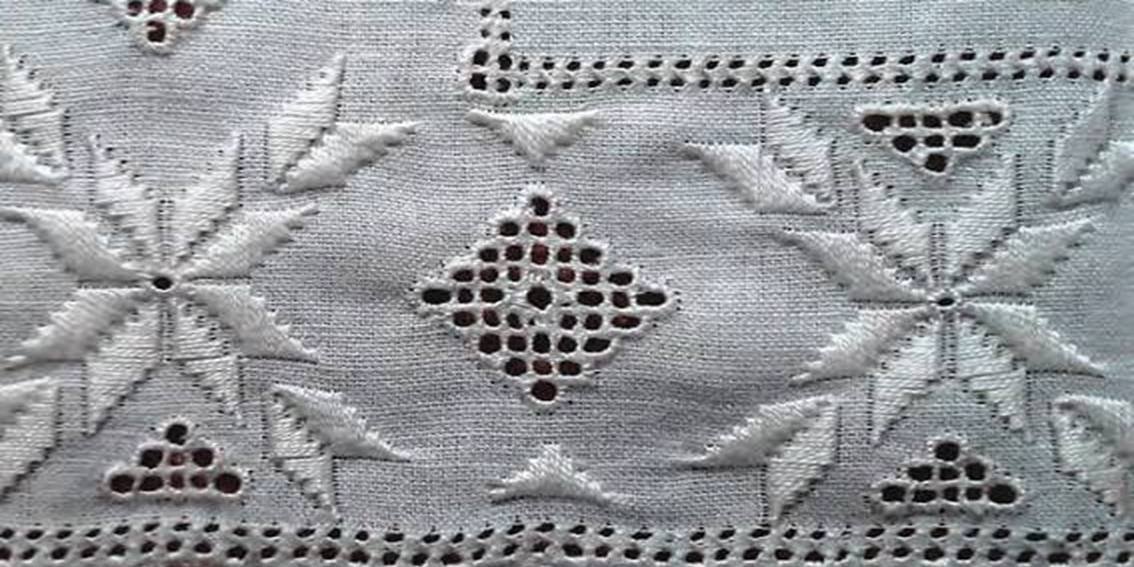
Lefkaritika, the traditional lace and embroidery of Lefkara
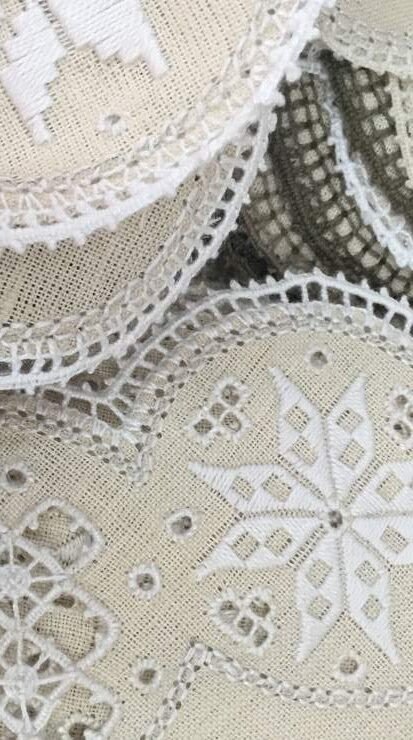
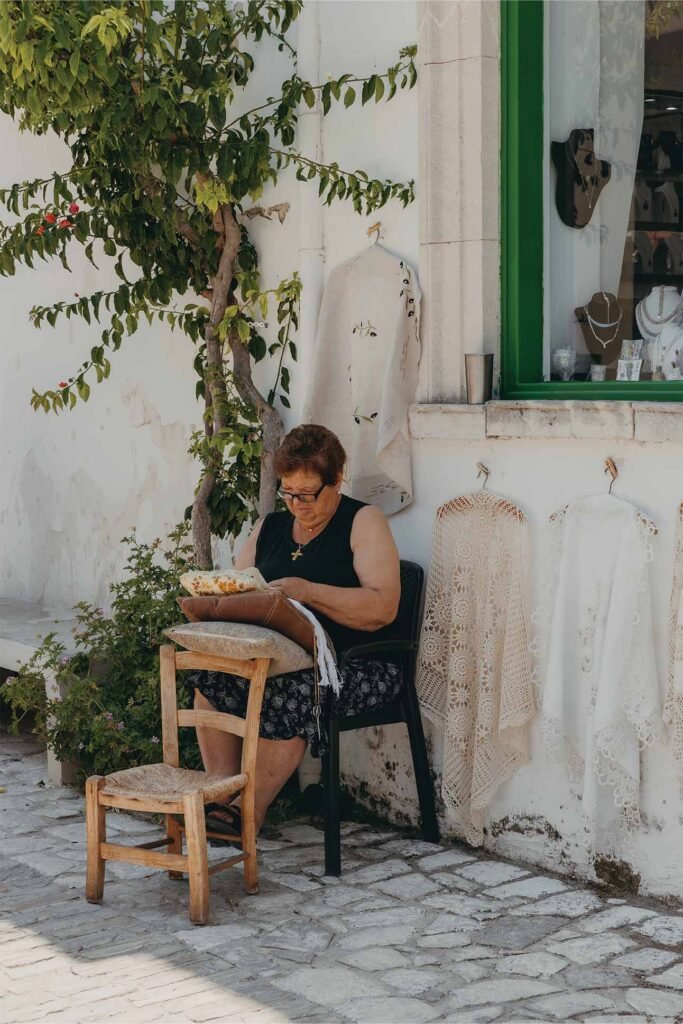
Lefkaritika, the traditional lace and embroidery of Lefkara village in Cyprus, has a long history. Local women developed the craft over many generations and made it an important part of village life. Lefkaritika combines older Cypriot embroidery traditions with influences from Europe and the Mediterranean. The craft eventually became famous beyond Cyprus and gave Lefkara an important place in the island’s cultural history.
ry.
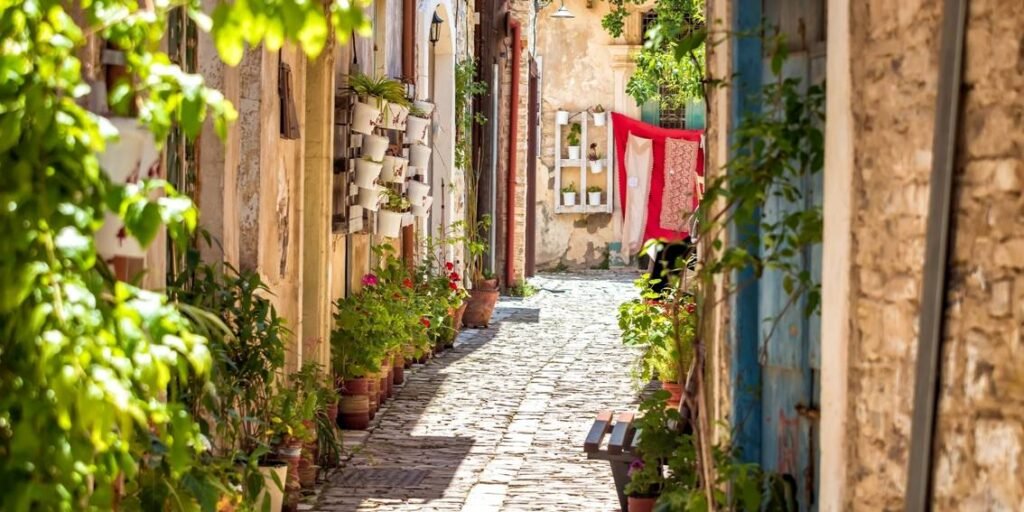
The Early Roots of Lefkaritika
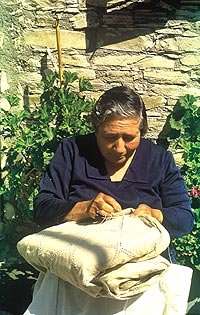
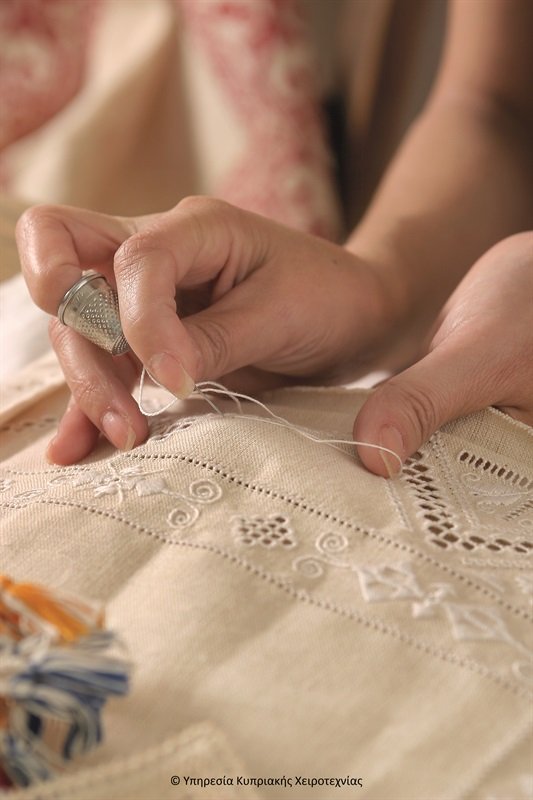
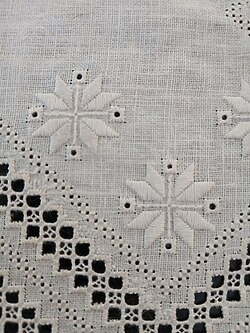
Lefkaritika did not arrive in Lefkara as a finished craft. Instead, women in the village gradually developed it from older Cypriot embroidery and needlework traditions. They worked mainly with linen and used needles and thread to create detailed geometric, floral, and decorative patterns.
Women often learned these skills from their mothers and other female relatives. They practised from a young age and developed great precision and patience. Each generation added new designs and techniques, which allowed Lefkaritika to develop its own distinctive character.
The Venetian Connection
Venice played an important role in the cultural environment that influenced Lefkaritika. The Republic of Venice controlled Cyprus from 1489 to 1571. During this period, Cyprus maintained strong connections with Venice and other European trading centres.
Merchants, travellers, and ships connected Cyprus with European markets. These contacts introduced Cypriot communities to new fabrics, decorative styles, and artistic ideas. Women in Lefkara could combine these influences with local embroidery traditions.
However, Venice did not simply bring Lefkaritika to Lefkara. The village developed the craft locally. Venetian and European influences helped shape some of the patterns and techniques that later became characteristic of Lefkaritika.
The Role of Local Women
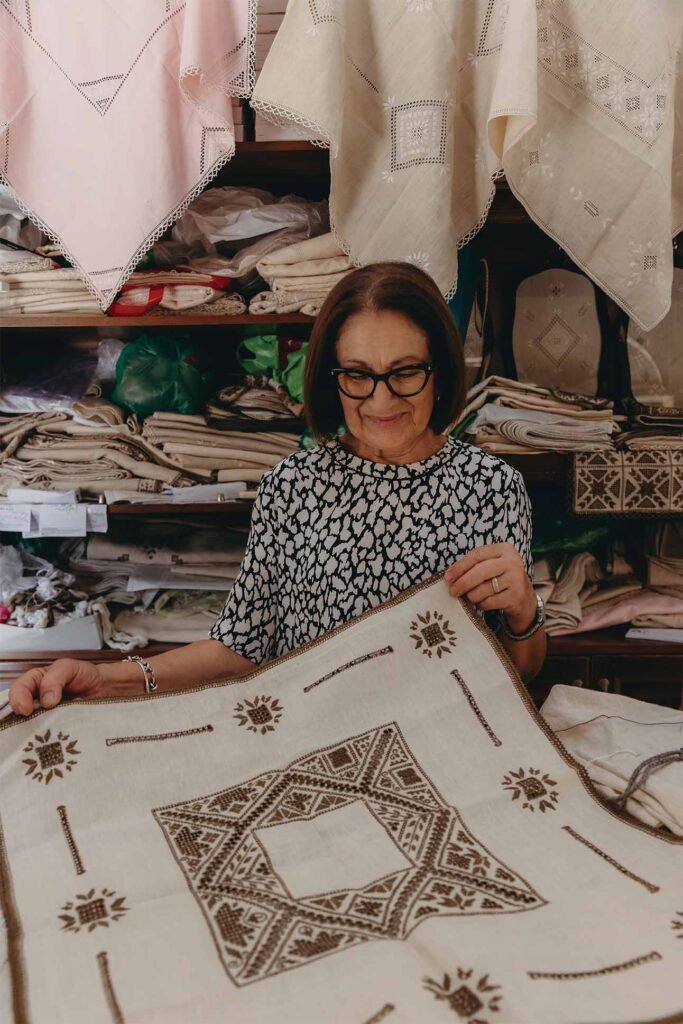
Women played the most important role in preserving and developing Lefkaritika. They produced lace and embroidery for their homes, clothing, churches, and later for sale. Families passed the skills from one generation to another, creating a strong tradition within the community.
The craft also gave women an opportunity to contribute to their families’ income. As demand increased, more women produced pieces for local merchants and visitors.
Trade and the Growth of Lefkaritika
Lefkara’s lace eventually attracted visitors and merchants from outside the village. Merchants carried the handmade pieces to other parts of Cyprus and to foreign markets. This trade helped Lefkaritika gain recognition and encouraged local families to continue producing it.
The village gradually became known for the quality and complexity of its lace. Lefkaritika therefore developed from a household craft into an important economic and cultural activity.
Leonardo da Vinci Tradition
A famous local tradition connects Lefkaritika with Leonardo da Vinci. According to the story, Leonardo visited Lefkara in 1481, admired the local lace, and later took a piece to Italy. Some versions of the story connect the lace with the decoration of Milan Cathedral.
Historians question some details of this tradition, so we should treat the story as a cultural tradition rather than definite historical fact. Nevertheless, the Leonardo story has become an important part of Lefkara’s identity and the international reputation of its lace.
Conclusion
This craft developed in Lefkara through the gradual combination of local Cypriot embroidery traditions, European influences, and generations of skilled female craftsmanship. Venetian rule created closer cultural and commercial links between Cyprus and Europe, which influenced local artistic traditions. Trade later helped Lefkaritika reach wider markets. Through the dedication of Lefkara’s women and the continuation of traditional techniques, Lefkaritika became one of Cyprus’s best-known forms of traditional craftsmanship.
GALERY