Xoverga –Ξόβεργα and how they are made
Χoverga Ξόβεργα: For generations, Cypriot villagers used the natural resources around them in many practical ways. One unusual example involved the μυξιά (myxιά) tree and the βερκά (verka), also known as xoverga ξόβεργα. This old practice formed part of Cyprus’s rural life, especially in areas where people hunted small birds for food.
The practice has historical importance today because it shows how people used local plants and traditional knowledge. However, bird trapping with lime-sticks has a very different status today. The capture of wild birds with ξόβεργα is illegal in Cyprus. This article describes the tradition only from a historical and cultural perspective.
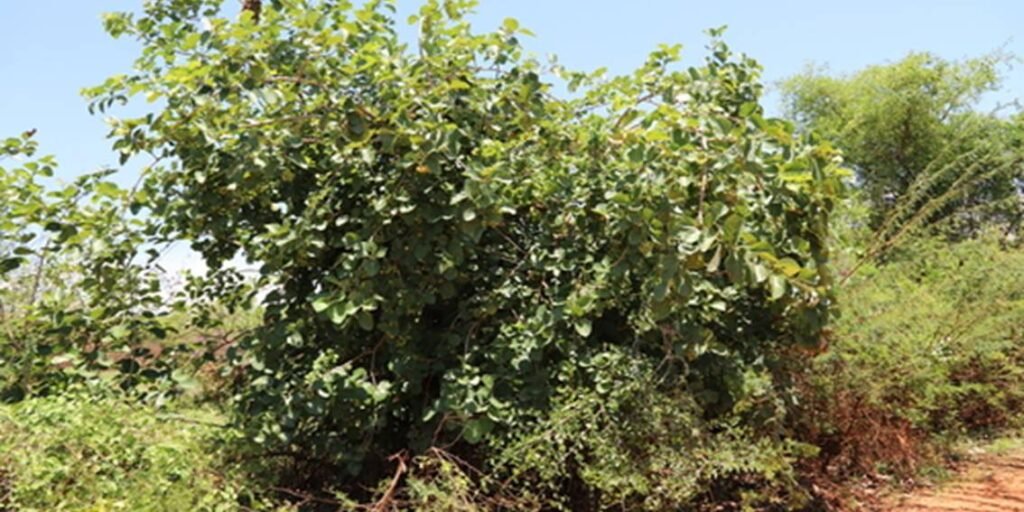
What is the Μυξιά?
The μυξιά, scientifically known as Cordia myxa, is a small tree that produces small, round fruits. The tree also appears under names such as μύξα and μυζιά in Cypriot sources.
When the fruit ripened, it contained a sticky, mucilaginous substance around the hard seed. Cypriots called this substance μύξα or μυξίν. People valued it because it produced a strong natural adhesive.
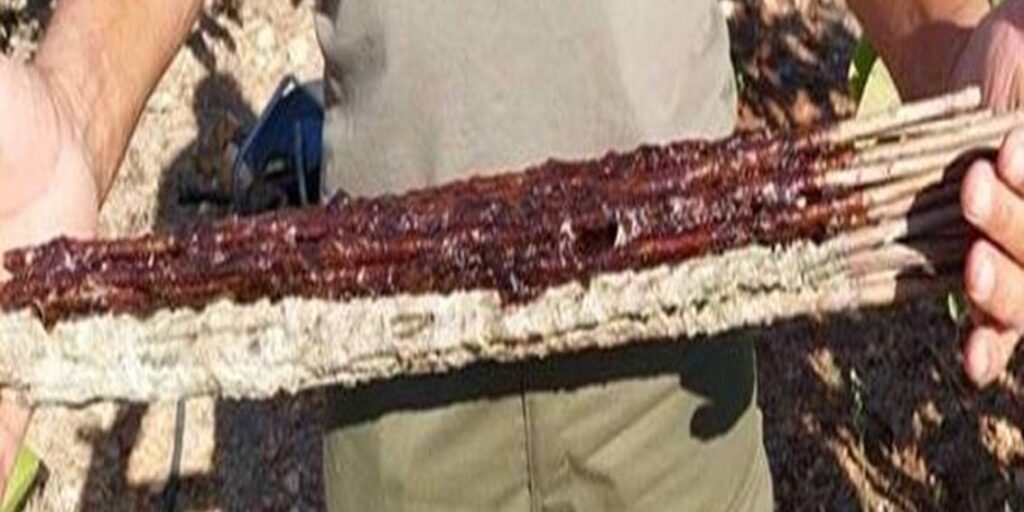
What Were the Xoverga Ξόβεργα?
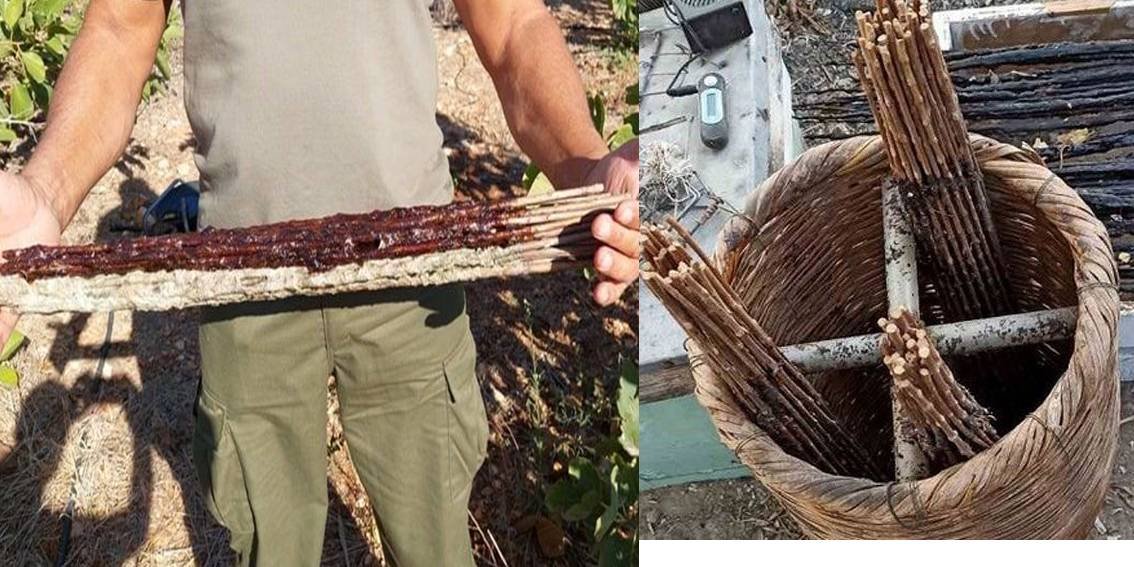
The word Xoverga Ξόβεργα describes small prepared branches or sticks. In Cypriot usage, people also called an individual stick βερκίν or βερτζίν. The Cyprus Food Museum describes the βερκίν as a small branch coated with a sticky substance.
People usually chose suitable branches from wild olive trees. The branches often contained many small knots. These knots helped the sticky material remain on the surface. Some regions also used branches from other trees, including pomegranate.
How Did They Prepare the Xoverga Ξόβεργα?
During the fruiting season, people collected ripe μυξιά fruits. They removed the hard seeds and used the sticky material surrounding them.
Traditional sources describe the preparation of the adhesive from crushed Cordia myxa fruits. People mixed the sticky fruit material with honey and heated the mixture to create a thick adhesive. A historical account also describes people dipping thin olive shoots into a mixture made by boiling crushed Cordia myxa berries with honey.
The exact preparation could vary from one village or family to another. Some local accounts describe additional ingredients and different methods of preparing the adhesive. Therefore, we should not treat one recipe as the only traditional method.
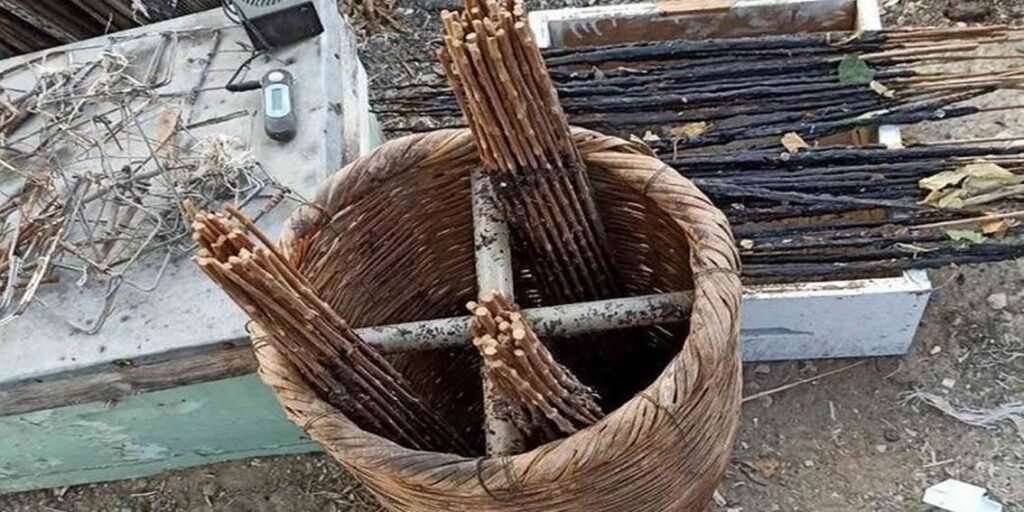
The whole process from start to finish takes about a week. When the verka are finished they stick them together in bunches of about 30 and sve them in a long circular basket known by the name kourkouna.
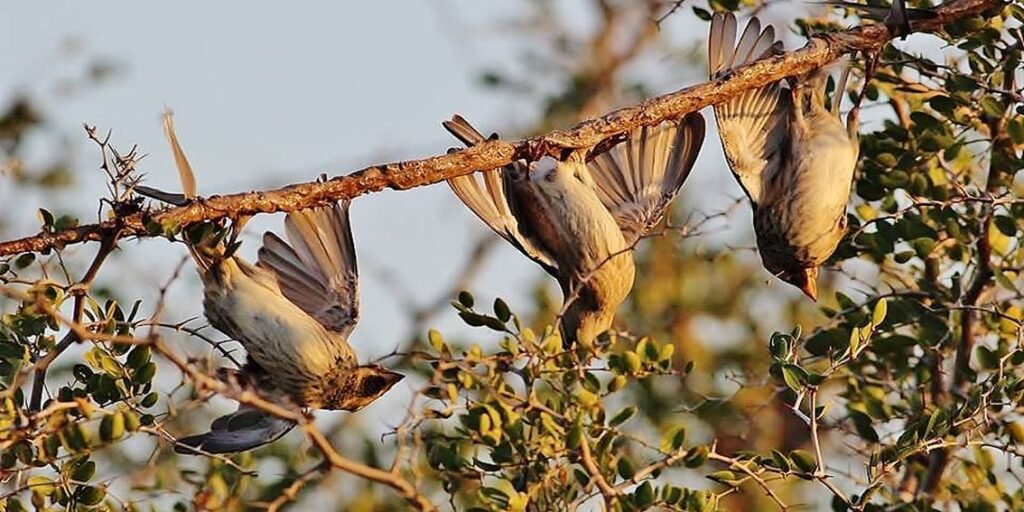
What Were the Βερκά Used For?
People historically used the βερκά to trap small wild birds, particularly birds known in Cyprus as αμπελοπούλια. The sticky coating could hold a bird when it landed on the prepared branch. Historical sources describe lime-stick bird trapping as a very old practice, and archaeological and literary evidence connects similar methods with the wider Mediterranean world.
The practice became part of traditional rural life because people once depended much more heavily on locally available food. Bird trapping therefore formed part of the older food-gathering practices of some Cypriot communities.
An Important Part of Cyprus’s Rural History
The story of the μυξιά and βερκά tells us more than the history of an old hunting method. It shows how Cypriots used local trees, fruits, honey, wood and traditional knowledge to make useful materials.
The practice also created its own vocabulary. Words such as μυξιά, μύξα, μυξίν, βερκίν and βερκά remain part of the linguistic heritage associated with traditional Cyprus.
The Practice Today
Today, in Modern Cyprus has strict laws protecting wild birds. Using ξόβεργα to capture wild birds is illegal in Cyprus. People cannot legally use ξόβεργα or other illegal methods to trap wild birds. The Cyprus Food Museum records the βερκά as part of historical Cypriot food and agricultural heritage rather than as a modern practice.
We should therefore view the μυξιά and βερκά as part of Cyprus’s rural and cultural history. They remind us of a time when villagers relied heavily on the plants, trees and natural materials around them for food and everyday life.