Early Life and Education
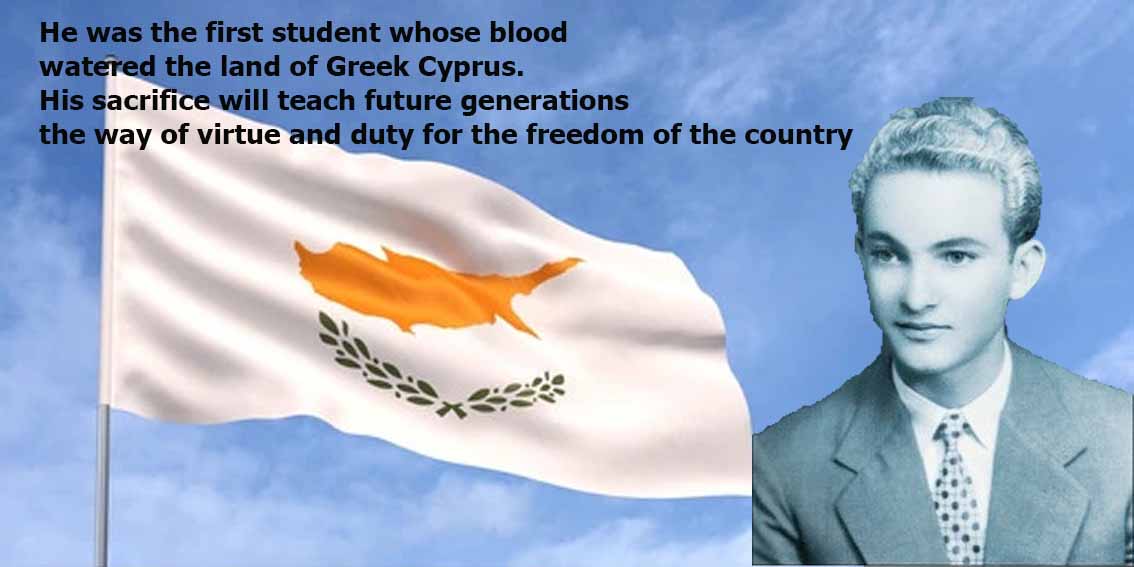
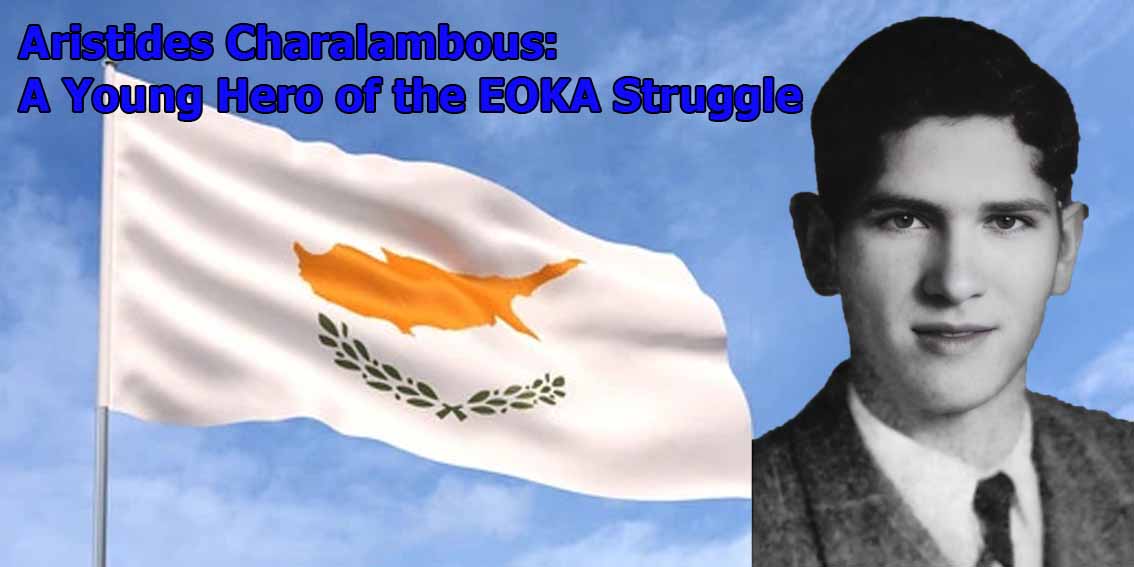
Aristides Charalambous entered the world on September 19, 1936, in the village of Pedoulas, Nicosia district. He received his early education at the local primary school. At the time of his death, he attended Pedoulas High School as a sixth-grade student. To expand his knowledge, he spent three years studying accounting through a correspondence course. During the summer holidays, he worked to earn money for his tuition fees.
Role in the EOKA Struggle
From the very beginning of the EOKA struggle, Aristides joined the fight in the Marathasa area. He collaborated closely with his teachers and classmates. His Greek teachers also acted as instructors, training the students of Pedoulas High School in weapon use. They conducted these training sessions in the chapel of Panagia and among the village orchards. His sisters also participated in the struggle, with their parents offering full support. His mother actively joined the stoning of British soldiers, carrying stones to the girls in her apron. During one such stoning, both Aristides and his sister suffered injuries.
The Fateful Day
On Sunday, March 11, 1956, the local EOKA group in Pedoulas prepared to ambush a convoy of British soldiers at three points along the Kykkos road. Aristides belonged to one of these groups and carried two locally made bombs. Tragically, one of the bombs exploded in his hand. The blast tore off his palm and inflicted fatal wounds to his stomach, killing him instantly.
A Hero’s Farewell
At his funeral, all residents from the surrounding villages came to pay their respects. His classmates and teachers accompanied him, holding up his coffin. They draped the coffin with the Greek flag and covered it with a multitude of laurel wreaths, honouring their fallen comrade.
A Lasting Memory
At the end of the school year, Aristides could not attend the graduation ceremony to receive his diploma alongside his classmates. In a poignant tribute, his high school principal called his name from the list of graduates, ensuring his memory would live on. The empty space in the graduation line symbolised the ultimate sacrifice this young student made for his homeland’s freedom. His story continues to inspire generations of Cypriots who remember his courage and dedication to the cause of liberation from colonial rule.