
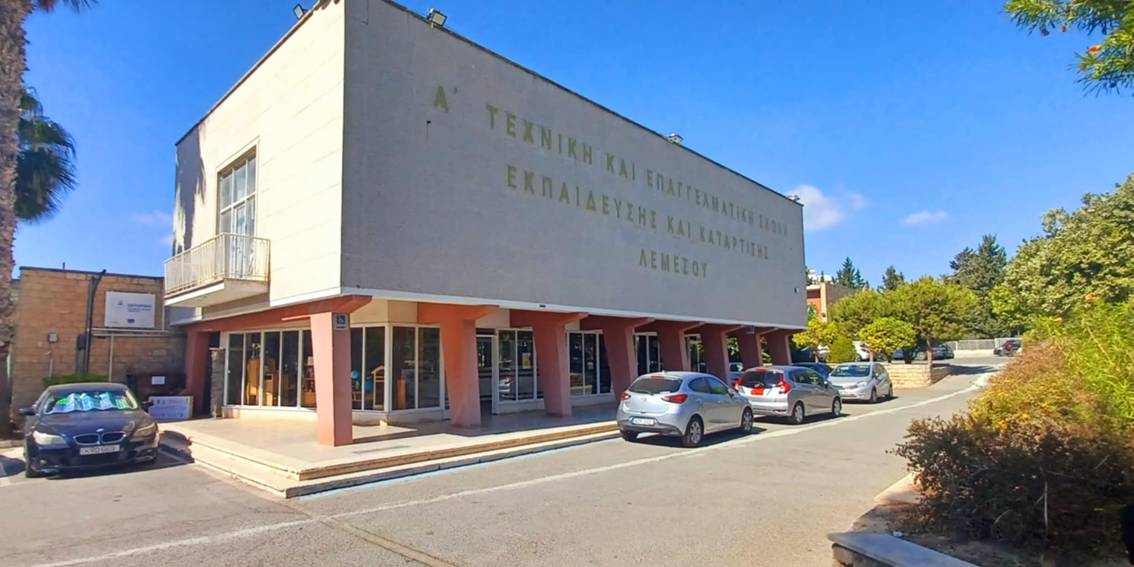
A Landmark Celebration Honours the Institution That Built Cyprus’s Technical Workforce
70th Anniversary celebration of the 1st Technical School of Limassol. Seven Decades of Shaping Skilled Generations
a monumental milestone this year. Seventy years ago, it opened its doors for the first time. Since then, it has educated thousands of young Cypriots, providing them with the skills to build careers and contribute to the island’s development. This anniversary honours not just a building, but the generations of students, teachers, and staff who made it a pillar of the community.
A Historic Foundation
The story began in the 1950s. Cyprus, then under British colonial rule, needed skilled technicians to support its growing economy. The colonial administration established the first technical schools to fill this gap. The 1st Technical School of Limassol opened in 1956, offering courses in mechanical engineering, electrical engineering, and building construction. It started with just a handful of students and teachers, but its impact would soon ripple across the island.

The First Principal and His Legacy
Mr. Nearchos Cl. Ioannou served as the first principal of the Limassol Technical School. He held this position from its founding in 1956 until 1960, when he transferred to the Nicosia Technical School as its first principal. His leadership laid the foundation for the school’s future success. In 2008, the school honoured his memory with a special event in the presence of his daughter, his son-in-law, and his grandchildren. The school also published a book chronicling its history and dedicated its painting, “The School,” to him.

The Early Years and First Graduates
The school’s first graduating class of 1960 holds a special place in its history. These pioneers proved the value of technical education in Cyprus. They went on to work in both the public and private sectors, using their skills to build infrastructure, maintain machinery, and train the next generation of technicians. Many became foremen, supervisors, and eventually managers in their fields. Their success demonstrated that technical education provided a path to a prosperous and fulfilling career.
Evolution Through the Decades
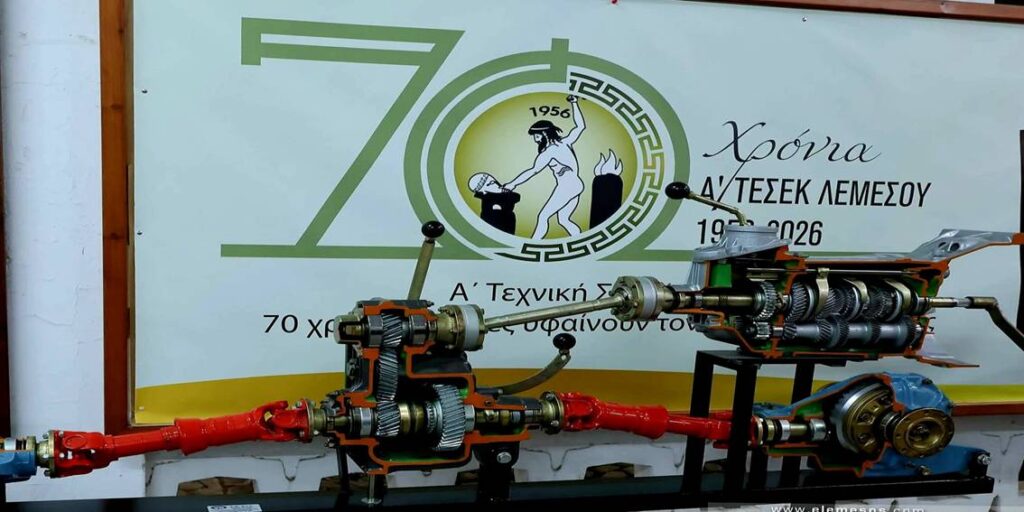
The 1st Technical School did not stand still. It adapted to changing times and technologies. In the 1960s and 1970s, it expanded its curriculum to include new specialties. It added courses in automotive engineering, plumbing, and central heating. The school also updated its workshops and laboratories to keep pace with industry developments. It maintained close ties with local businesses, ensuring students learned the skills employers actually needed.
Evolution Through the Decades
The 1st Technical School did not stand still. It adapted to changing times and technologies. In the 1960s and 1970s, it expanded its curriculum to include new specialties. It added courses in automotive engineering, plumbing, and central heating. The school also updated its workshops and laboratories to keep pace with industry developments. It maintained close ties with local businesses, ensuring students learned the skills employers actually needed.
The 1980s and 1990s brought further changes. The school embraced computer technology, introducing courses in computer-aided design and manufacturing. It strengthened its academic programs, preparing students not just for immediate employment but also for further study at technical institutes and universities. The school became a comprehensive institution, offering both traditional trades and modern technological specialties.

Challenges and Resilience
The school faced significant challenges throughout its history. The Turkish invasion of 1974 disrupted education across Cyprus. Many students and teachers had to flee their homes, and the school had to accommodate refugees and adapt to a changed national reality. Economic ups and downs also tested the institution. During recessions, funding for education sometimes shrank. Yet the school persevered, driven by dedicated teachers and students determined to build a better future.
A Community Celebration
The 70th anniversary celebration brought together the entire school community. Current students and teachers organized events alongside alumni who graduated decades ago. Former students shared memories of their time at the school. They spoke of inspiring teachers, lifelong friendships, and the practical skills that launched their careers. Some alumni have achieved great success in their fields. They include engineers who designed major infrastructure projects, business owners who created jobs, and educators who now teach at the same school they once attended.
The Alumni Association
The School’s Alumni Association played a central role in the anniversary celebrations. This organization maintains connections between former students and keeps the school’s history alive. It collects photographs, documents, and personal stories from different eras. It organizes reunions and events that bring generations together. For the 70th anniversary, the association compiled a commemorative publication featuring memories from alumni across seven decades. It also arranged for current students to interview older graduates, creating connections between past and present.
Honouring Retired Teachers
The celebration paid special tribute to retired teachers. These men and women dedicated their careers to shaping young minds. They taught not just technical skills but also discipline, responsibility, and pride in quality workmanship. Many former students returned specifically to thank their old teachers. Some teachers had taught at the school for thirty or forty years, witnessing the evolution of both technology and society. The school presented them with honorary awards and featured their stories in the commemorative materials.
Student Achievements and Projects
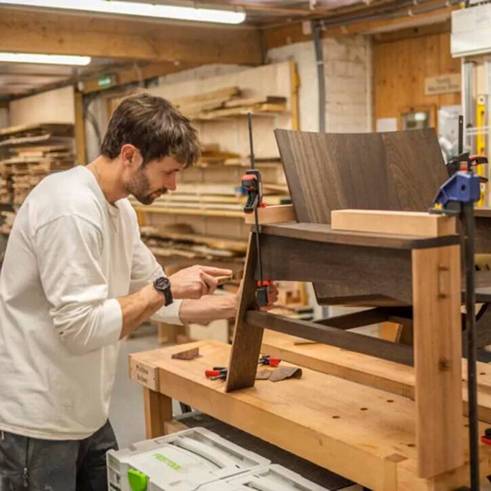
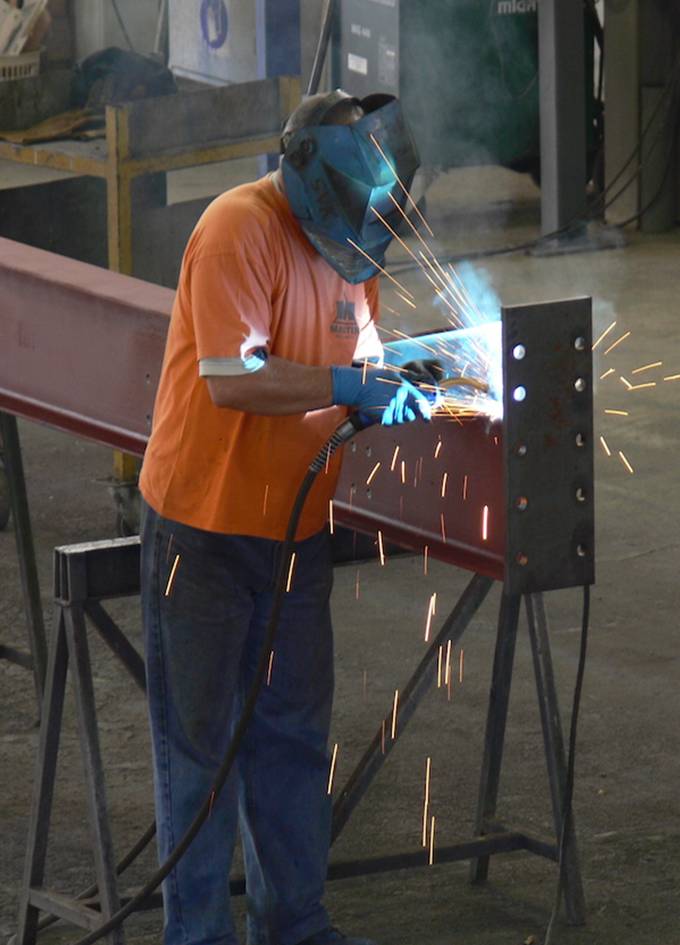
Current students showcased their skills during the anniversary events. They displayed projects they had built in workshops and laboratories. These included working engines, furniture, electrical installations, and computer-controlled devices. Visitors could see the high quality of work that students produce today. The demonstrations proved that the school maintains its tradition of excellence, preparing young people for the modern workplace.
Looking to the Future
The 70th anniversary looks both backward and forward. While honouring its history, the school also plans for the future. It must prepare students for a rapidly changing world. New technologies like renewable energy, electric vehicles, and artificial intelligence will transform the trades. The school will need to update its curriculum, train its teachers, and invest in new equipment. It will also need to attract young people to technical careers, showing them that these paths offer rewarding and well-paid work.
A Message from the Principal
The current principal addressed the anniversary gathering with pride. He spoke of the school’s legacy and its future. He emphasized that technical education matters more than ever in today’s economy. Skilled technicians keep society running. They maintain our cars, install our electrical systems, build our homes, and repair our appliances. They are essential workers who deserve respect and recognition. The principal called on government and industry to support technical education, ensuring it continues for another seventy years.
A Lasting Legacy
The 1st Technical School of Limassol has touched countless lives over seventy years. It has given young people the tools to build successful careers and contribute to their communities. It has adapted to changing times while maintaining its core mission. It has created a community that spans generations, linking past and present students in shared pride. As the school celebrates this anniversary, it can look back with satisfaction and forward with hope. The next seventy years will bring new challenges, but the foundation remains strong. The 1st Technical School of Limassol will continue to shape skilled generations for decades to come.