Bloody Greek-Turkish Clashes at Ktima
Bloody Greek-Turkish Clashes at Ktima: March 7th, 1964, stands as one of the darkest days in modern Cypriot history. On this Saturday morning, heavily armed Turkish Cypriot fighters opened fire on a crowded market in Ktima, near Paphos. They killed seven Greek Cypriots, wounded dozens, and took more than 200 civilians hostage. This attack represented the bloody culmination of events that began in December 1963 in Nicosia and spiralled into full-scale intercommunal conflict. It led to the Turkish Cypriot withdrawal from the Cabinet and public service, the drawing of the Green Line, the creation of Turkish Cypriot enclaves, international intervention, and the deployment of the first United Nations peacekeeping troops to Cyprus.
A Peaceful Morning Turns to Nightmare
The market of the small town of Ktima teemed with shoppers on the morning of Saturday, March 7th, 1964. The previous evening, King Paul of Greece had passed away. In honour of the deceased monarch, Greek schools had closed early, releasing students into the streets. Hundreds of villagers had descended on the market to buy supplies for the next day, which marked Cheesefare Sunday, the last day before Lent.
At approximately 11 a.m., without warning, gunfire erupted from Turkish positions. Armed Turkish Cypriots sprayed bullets indiscriminately into the unsuspecting crowd. Panic and chaos swept through the market as people scrambled for cover. The new police station inside the market also sustained heavy fire.
The Official Account
The official release from the Press and Information Office described the scene: “Turkish terrorists began firing indiscriminately from minarets and fortified Turkish buildings in the market area of Ktima against Greeks who were in the market doing their shopping. The new police station inside the market also received a hail of fire. At the time of the attack, approximately 2,000 Greeks were inside the market. Security forces took up positions and are defending the area.”
The Toll of Terror
The Turkish assault left a devastating toll. Seven Greek Cypriots lay dead, including a 15-year-old girl, Galateia Christofidou. Dozens more suffered injuries. Armed Turkish Cypriot groups seized more than 200 passersby of all ages, including numerous women and young children, holding them as hostages.
An eyewitness described the hours that followed: “That night was perhaps the most nightmarish Paphos ever lived. The agonizing question arose: What would happen to the remaining hostages? Why did they not release them as well? Would they kill some of them?”
The Greek Response and Aftermath
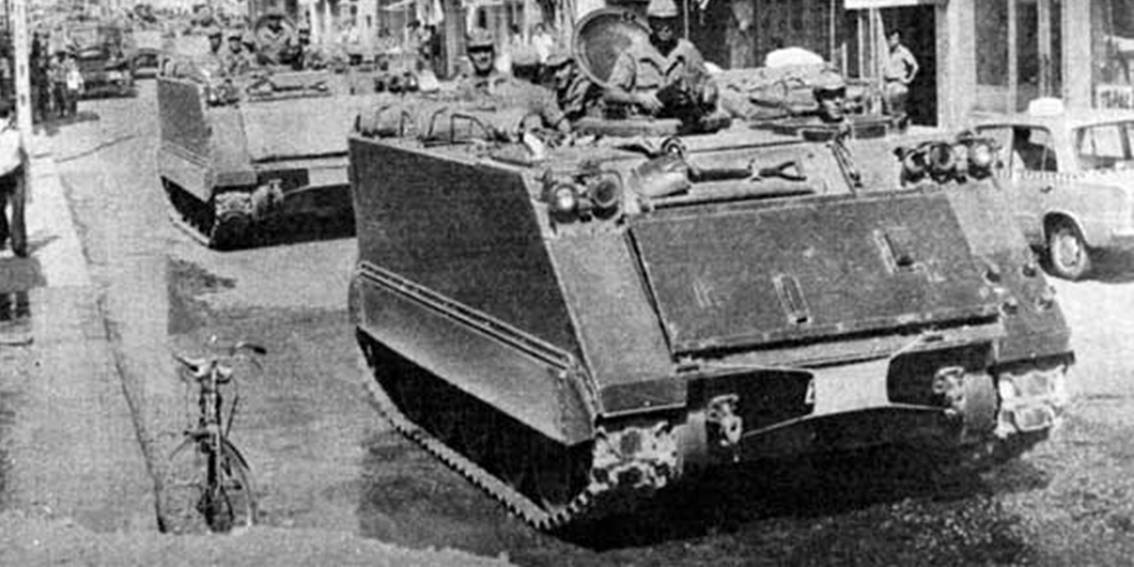
In the following days, Greek forces launched an offensive against the Turkish positions. Despite suffering casualties, they succeeded in dismantling the Turkish strongholds and eventually secured the release of all Greek hostages. However, as another eyewitness recounted, “The Greek Cypriots, from the hostages they captured, killed the same number, 7, as the Greek Cypriots killed on the morning of the same day.”
A Chapter of Pain
The bloody Greek-Turkish clashes at Ktima represent one of the most painful chapters of the 1963-1964 periods. Even amid the bigotry of that era, these events stood as unprecedented in their scale and in the manner of their initiation. They occurred in what had been the most mixed area of the island, shattering whatever remained of intercommunal trust and setting the stage for decades of division.