Greek-Developed Technology Will Shield the Island after Akrotiri Attack
Centaur anti-drone systems: Cyprus is moving immediately to acquire four Centaur anti-drone systems from Greece. The decision follows the devastating vulnerability exposed last Monday when an Iranian Shahed-136 drone pierced the air defences of the Republic of Cyprus and struck the British base at Akrotiri. This procurement marks a significant upgrade to the island’s defensive capabilities against unmanned aerial threats.
Why Cyprus Needs the Centaur Now
The attack on RAF Akrotiri shocked defence officials and revealed critical gaps in Cyprus’s air defence umbrella. A hostile drone penetrated sovereign territory and caused material damage without any interception. This incident forced the Cypriot Defence Ministry to act swiftly. Officials expect the Centaur systems to address precisely the weaknesses highlighted by this event. The purchase forms part of the European SAFE program and has already received approval in Brussels.
What the Centaur System Does
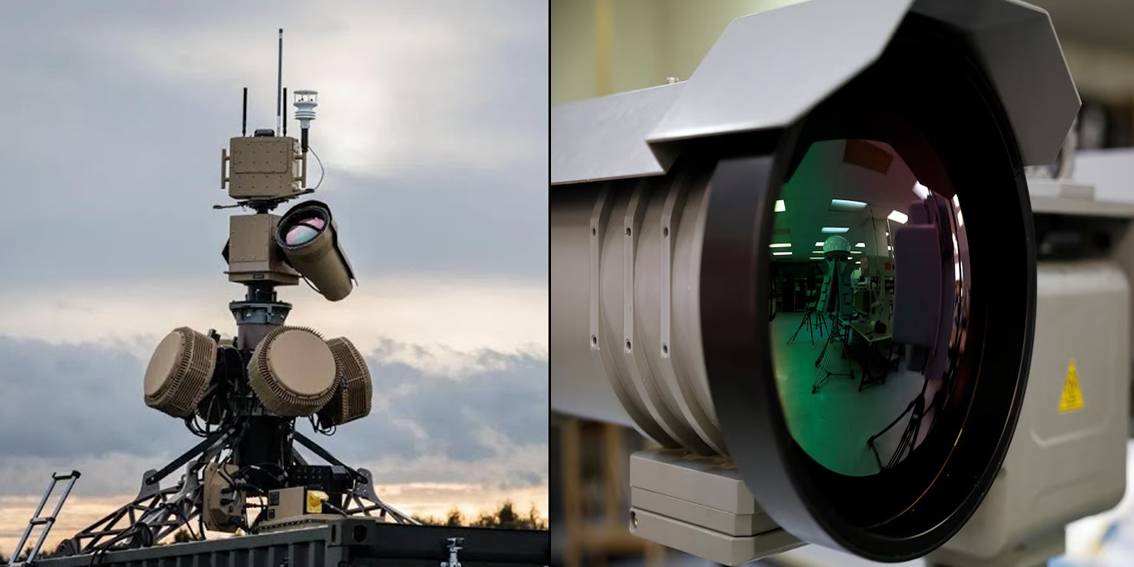
The Anti-Drone ‘Centaur’ Systems, developed by the Hellenic Aerospace Industry (HAI), is a soft-kill jamming system designed specifically to counter unmanned aerial vehicles. It detects and jams the communication and guidance signals of hostile drones, disrupting their operation without firing a single shot. This electronic warfare approach neutralizes threats by cutting off their control links, forcing them to crash or abandon their missions.
The system boasts impressive technical specifications. It can detect UAVs at distances up to 150 kilometres and effectively jam targets within a 25-kilometre range. The jammer focuses all its energy on the specific frequency the hostile drone uses, maximizing efficiency and effectiveness. This targeted approach conserves resources while ensuring reliable neutralization.
Combat-Proven in the Red Sea
The Centaur systems carries the distinction of being the first combat-proven European-manufactured counter-drone system. It earned its reputation during real operations in the Red Sea. The Hellenic Navy frigate Psara deployed with the system as part of European Union efforts to protect commercial shipping from Houthi drone attacks.
On its very first mission, the Centaur proved its worth. It forced two enemy drones to crash and drove away two more by cutting off their control signals. This live-battle success gave the system a strong reputation and convinced Greece to equip more naval vessels with the technology. The Psara, now stationed in Cyprus waters, carries this proven system and provides an immediate defensive capability while Cyprus prepares its own units.
The Financial Advantage
Cost-effectiveness makes the Centaur particularly attractive. Each system costs approximately two million Euros. By comparison, a single RIM-162 ESSM surface-to-air missile can cost the same amount, and a frigate can only carry sixteen of these missiles. The Centaur can knock down enemy drones repeatedly without expending expensive interceptors, conserving missile stocks for more significant threats. This economic efficiency allows Cyprus to stretch its defence budget while maintaining robust protection.
Integration with Existing Systems
Cyprus plans to integrate the Centaur systems with its recently acquired Barak MX air defence system. This integration will create layered protection. The Barak MX handles longer-range threats with kinetic interceptors, while the Centaur deals with closer-range drone swarms through electronic jamming. Together, they form a comprehensive umbrella against both traditional aircraft and modern unmanned threats.
The systems will protect critical installations across the Republic of Cyprus. Likely candidates include government buildings, military facilities, power stations, and other vital infrastructure that could attract hostile attention. The mobility of the Centaur allows deployment to different locations as threats evolve.
An Upgraded Version on the Horizon
HAI is already developing an upgraded version of the Centaur system. This enhanced model will feature active radar with a 40-kilometre range. It will also incorporate “hard kill” kinetic methods as a final layer of defence if electronic jamming fails. This development ensures that Cyprus’s investment will remain relevant as drone technology evolves. Future threats may include fibre-optic controlled drones that resist jamming, requiring the hard-kill option.
Greek Assistance and the Common Defence Doctrine
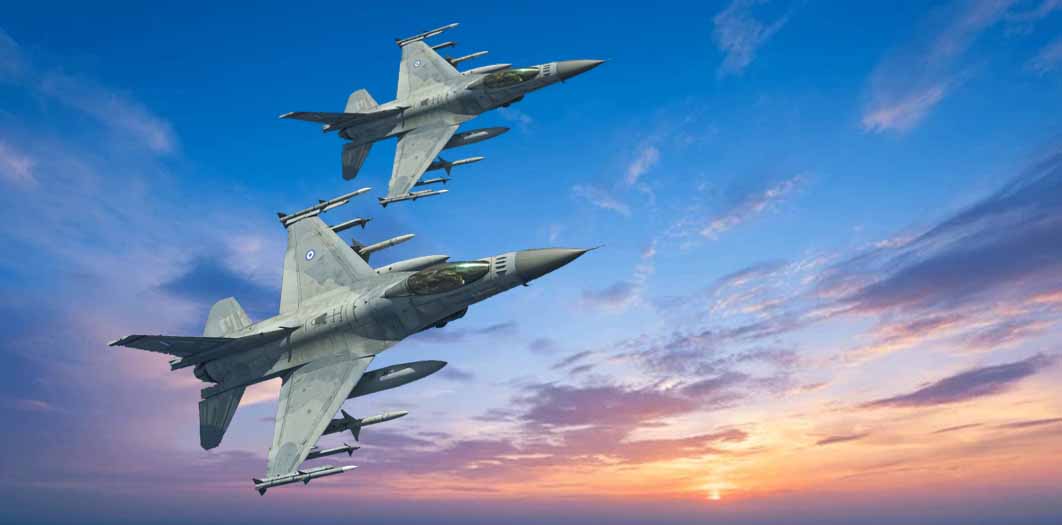
The Centaur purchase builds on immediate Greek military assistance following the Akrotiri attack. Greece dispatched four F-16 fighter jets and two frigates, the Kimon and Psara, to Cyprus within days. The Psara brought its Centaur system immediately, providing on-the-ground protection while Cyprus prepares its own units.
Defence Minister Nikos Dendias made Greece’s position clear: “Following the unprovoked attacks on the territory of the Republic of Cyprus, I assured Mr. Palmas that throughout the current crisis Greece will contribute in every possible way to the defence of the Republic of Cyprus” . This activation of the Common Defence Doctrine transforms the relationship from symbolic deterrence to active defence.
Other European Interest
Cyprus is not alone in recognizing the Centaur’s value. Bulgaria has expressed interest in purchasing more than 100 Greek Centaur systems in various configurations through the same European SAFE regulation. This international interest validates the system’s capabilities and may lead to further collaboration between European nations facing common drone threats.
A New Era for Cypriot Defence
The acquisition of four Centaur systems represents a fundamental shift in how Cyprus protects itself. Rather than relying solely on allies or traditional air defence missiles, Cyprus now takes ownership of its electronic warfare capabilities. The systems place a powerful tool in the hands of the Cypriot National Guard, allowing rapid response to drone incursions without waiting for external assistance.
Officials expect the procurement to proceed immediately, with delivery and training following in short order. The systems already proven on the Psara provide a template for integration and operation. Cyprus will soon field its own Centaur units, closing the vulnerability that a single Iranian drone exposed so dramatically.