A Remote Strategic Link
The Venetian bridge of Akapnou was constructed by Venetian engineers near the village of Akapnou. They built it to address a specific logistical challenge in the Troodos foothills. This crossing spanned the upper reaches of the Xeros River, creating a critical link in a secondary mountain route. The bridge facilitated the movement of goods and patrols between the commanderies of the Knights Templar and Hospitallers in the regions of Pano and Kato Akapnou. Its role supported both local agriculture and broader Venetian military oversight in a strategically important area.
Adaptive Design and Construction
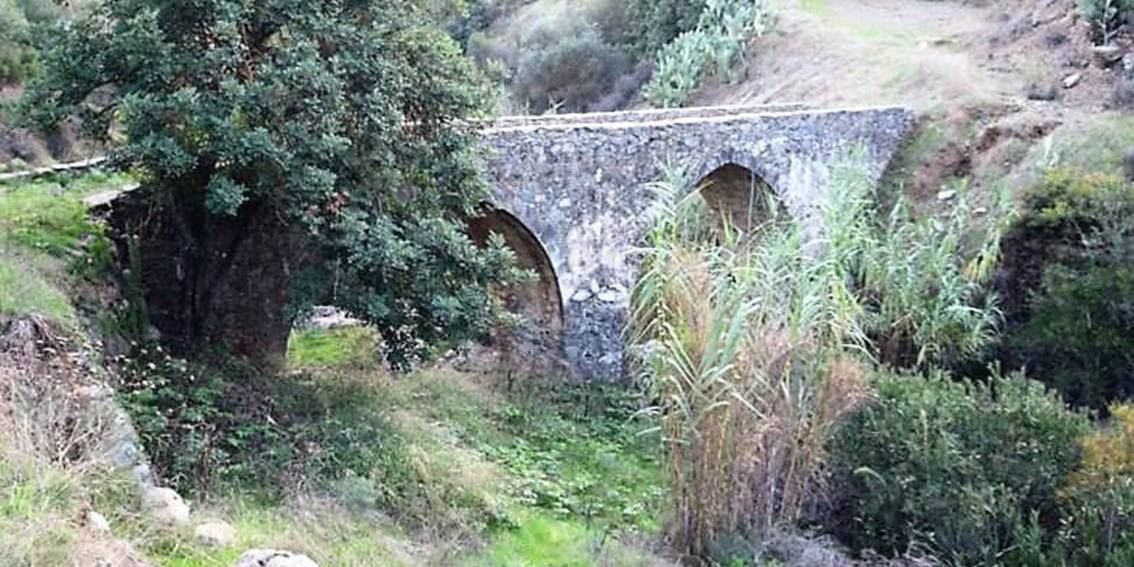
The builders employed a distinct technique for this site. They used the area’s abundant, rugged stone to create a structure that could withstand powerful seasonal torrents. The bridge features a single, broad arch, but its most notable characteristic is its low-slung profile. The builders set the roadway unusually close to the water level. This design likely served as a deliberate adaptation, allowing floodwaters to pass over the bridge’s deck with minimal resistance, thereby preserving the structure’s foundations from catastrophic damage during storms.
A Journey into Obscurity
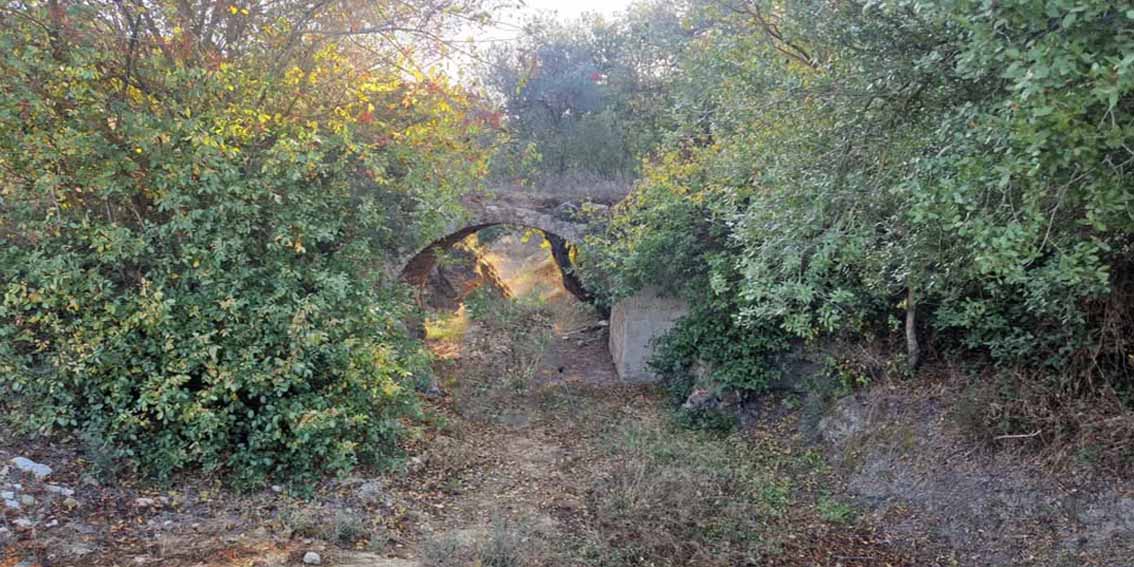
Following the end of Venetian rule and the shift of major traffic to modern roads, the Akapnou Bridge entered a long period of neglect. Its remote location, far from contemporary villages and accessible only by rough dirt tracks, accelerated its retreat from public memory. For decades, it was known primarily to local farmers and shepherds. The elements slowly wore at its masonry, and the forest crept closer, threatening to swallow the structure entirely. It became a true hidden artifact, absent from most maps and tourist guides.
Rediscovery and Atmospheric Isolation
Recent efforts by historical societies and hiking groups have reclaimed the bridge from obscurity. It is now a known, though rarely visited, destination on the Venetian Bridges trail network. The journey to reach it reinforces its isolated character. Visitors navigate a challenging network of forestry roads before undertaking a final descent on foot to the riverbed. This effort makes the discovery of the substantial, solitary arch in the deep valley feel like uncovering a secret. The silence here is profound, broken only by the wind and water.
The Modern Visitor Encounter
Today, the bridge offers an experience of raw, untouched history. There are no facilities, signposts, or restoration plaques. Visitors confront the bridge purely on its own terms, in its weathered state. They can walk across its worn stones, study the moss-covered masonry, and observe the clever engineering of its low profile. The atmosphere is one of timeless solitude. It appeals to those seeking an authentic, uncurated relic and provides a poignant contrast to the more accessible and manicured Venetian bridges elsewhere in Cyprus.
A Testament to Resilience
The Venetian bridge of Akapnou Bridge stands as a resilient and adaptive piece of engineering. Its survival, despite centuries of floods and neglect, speaks to the practicality of its low-water design. The bridge does not tell a story of community life like Kalopanayiotis or of grand trade like Tzielefos. Instead, it narrates a tale of strategic necessity and intelligent adaptation to a harsh environment. It remains a powerful, lonely monument to the Venetians’ comprehensive efforts to tame and connect the island’s challenging interior, waiting quietly for the few who make the journey to find it.