Function in a Rural Network
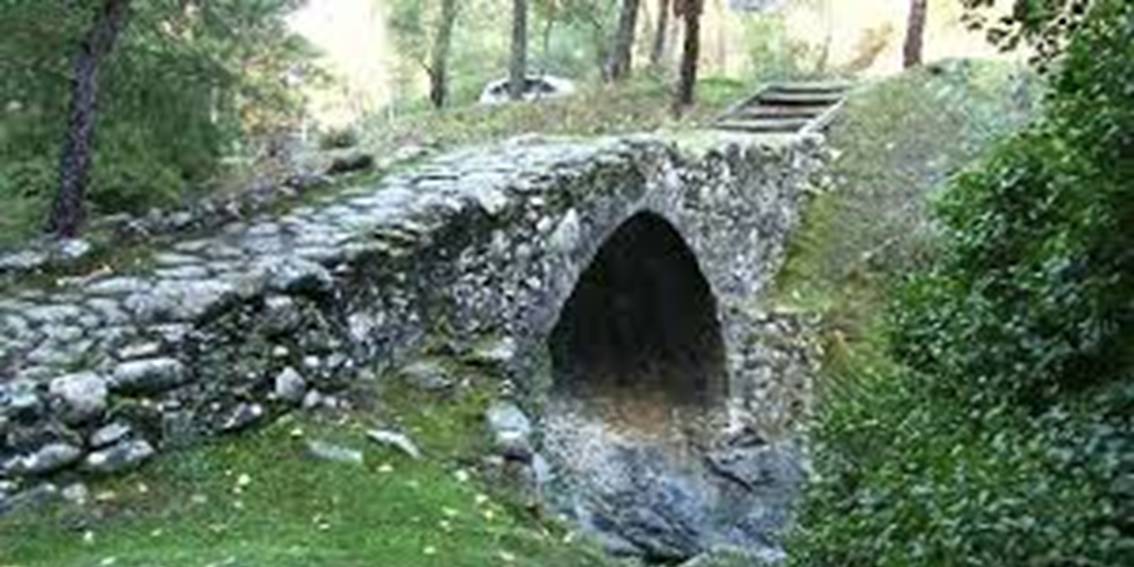
The Venetian Bridge Elia also known as “treis Elies Venetian Bridge” was built by the authorities. This was common in the Troodos region. They had a specific local economic need to meet. They constructed this modest crossing. It linked the villages around Pano Platres. It provided reliable access to orchards and fields. The bridge primarily facilitated the transport of local produce. This included apples, pears, and walnuts. These goods came from the hills. They went to larger collection points. The bridge’s role supported the agrarian economy. This economy sustained rural communities under Venetian rule.
A Study in Simple Masonry
The bridge exemplifies the functional and unadorned style of Venetian rural engineering. Craftsmen used local river stones and limestone to create a single, small arch spanning the Kryos River. They built the structure with a low, almost humble profile, perfectly adequate for the passage of farmers and their mules. The construction lacks the grandeur of larger bridges, yet its precise stonework and enduring form clearly display the Venetians’ consistent engineering principles, even for minor infrastructure.
A Bridge Forgotten
Following the Venetian era and the gradual shift to modern roads, the Elia Bridge faded from practical use. Its remote location, nestled in a narrow, tree-filled valley near the village of Treis Elies, contributed to its obscurity. For decades, the bridge sat silently, known mainly to local shepherds and foresters. Overgrowth slowly enveloped its approaches, and it became a half-hidden relic, escaping the wider attention that more accessible Venetian bridges attracted.
Rediscovery and Atmosphere
In recent years, a growing interest in heritage trails and nature walking has brought the Elia Bridge back into public awareness. Hikers now seek it out as a rewarding destination on the “Venetian Bridges” nature trail. The journey to the bridge is part of its charm; visitors follow a shaded path along the riverbank, with the sound of water as a constant companion. The bridge suddenly appears through the foliage, creating a moment of discovery that feels both intimate and timeless.
The Visitor Experience Today
The setting of the Elia Bridge defines its modern appeal. It sits in a cool, verdant gorge, surrounded by plane trees, alders, and lush ferns. The clear waters of the Kryos River flow beneath its arch, often forming small, inviting pools. Visitors come to appreciate its quiet beauty, photograph its stonework dappled in forest light, and enjoy the profound tranquility of the spot. It serves as a peaceful monument to a quieter, slower-paced historical Cyprus.
A Quiet Testament
The Department of Forests now maintains the bridge and its surrounding trail, ensuring safe access while preserving the area’s natural character. Unlike the reconstructed Trimiklini Bridge, Elia stands largely in its original, weathered state—a testament to the skill of its builders. It requires no grand legends or imposing scale to command respect. Its enduring presence in a forgotten valley quietly affirms the widespread and lasting impact of Venetian engineering on the Cypriot landscape, one humble stone arch at a time.