A Bridge with a Dual Purpose
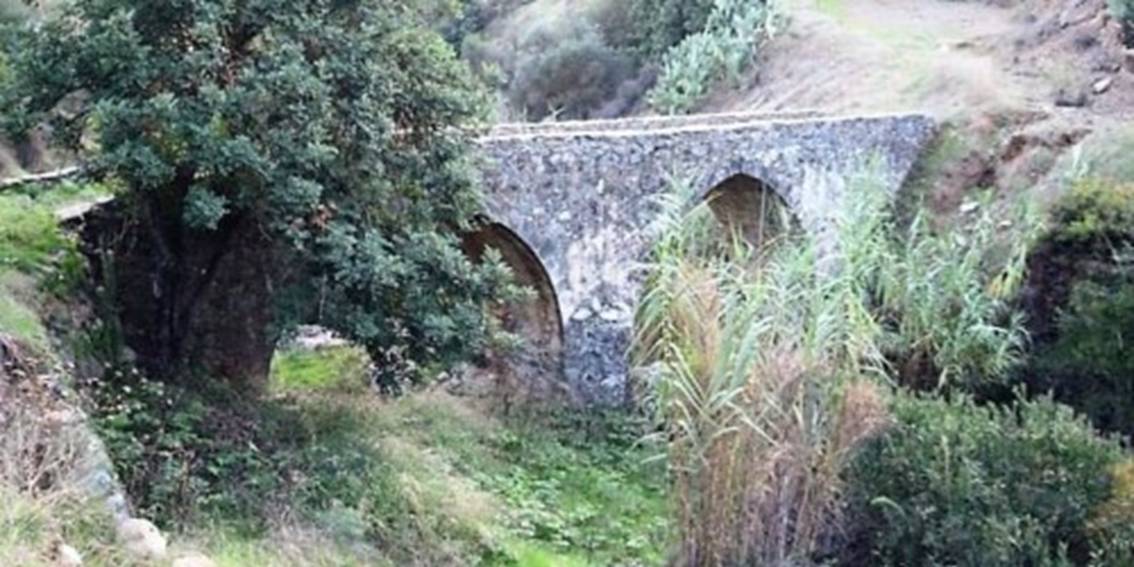
The Venetian Mylos Bridge was constructed by the authorities in Cyprus. They built it during their rule of the island in the 16th century. This bridge served a very clear and practical function. It spanned the Xeros River in the Paphos district. Its primary role was to connect the villages of Kritou Marottou and Arodhes. This linkage supported the local agricultural economy. However, the bridge also had a second, more specific purpose. Its location and name, “Mylos” meaning “mill,” provide a direct clue. The bridge facilitated access to a vital watermill. Farmers from the surrounding area used this mill to grind their grain.
Architectural Character and Setting
The Mylos Bridge displays classic Venetian design principles. Builders fashioned it from the local, sturdy limestone. They created a single, semicircular arch. This arch elegantly crosses the riverbed. The structure is not large or grandiose. Instead, it reflects a focus on functionality and durability. The bridge integrates seamlessly into its rugged environment. It sits within a beautiful, wooded valley. Tall pine and plane trees shade the area. The sound of the flowing Xeros River accompanies visitors. This serene and somewhat secluded location enhances the bridge’s historic charm.
A Journey to Discovery
Reaching the Mylos Bridge involves a pleasant commitment. Visitors do not find it directly on a main road. They must drive along a network of rural, sometimes bumpy, tracks in the Paphos forest. This journey itself feels like a step back in time. Upon arrival, a short footpath leads down to the river level. The bridge then reveals itself, fully intact and strikingly picturesque. The effort required to find it makes the discovery feel more personal and rewarding. This relative inaccessibility has helped preserve its authentic atmosphere.
The Modern Visitor Experience
Today, the Mylos Bridge serves as a destination for history enthusiasts and nature lovers. People walk across its worn stone path. They admire the skilled masonry of the arch from the riverbank below. The clear, cool waters of the Xeros River often invite a refreshing paddle on a hot day. The site is perfect for photography, quiet picnics, and simply enjoying the peaceful sounds of the forest. The bridge acts as a silent guide, encouraging visitors to imagine the farmers and mules that once crossed here, their sacks heavy with grain for the mill.
Preservation and Legacy
The Cypriot Department of Forests maintains the general area and the access routes. The bridge itself remains in remarkably good condition. Its continued survival is a testament to the quality of its original construction. The Mylos Bridge may lack the dramatic scale of Tzielefos or the reconstructed story of Trimiklini. Yet, it holds its own unique significance. It represents the everyday, infrastructural fabric of Venetian Cyprus. This bridge did not serve empire-wide copper trade. Instead, it supported daily bread. It connected communities to a essential local service. This focus on mundane, vital utility makes the Mylos Bridge a profoundly relatable monument. It stands as a beautifully preserved piece of rural history, forever linking its arch to the turning of a millstone.