The Unknown War of Tylliria: The Epic of August 1964 Remains Alive in Memory
The Unknown War of Tylliria on August 1964 left an indelible mark on the history of Cyprus. The Tylliria region became the epicentre of an unequal conflict that shook the entire island. The battles that unfolded during those days were not merely a military operation. They represented the culmination of Turkish aggression and the heroic response of the Greek Cypriot defenders.
The Chronicle of Tragedy
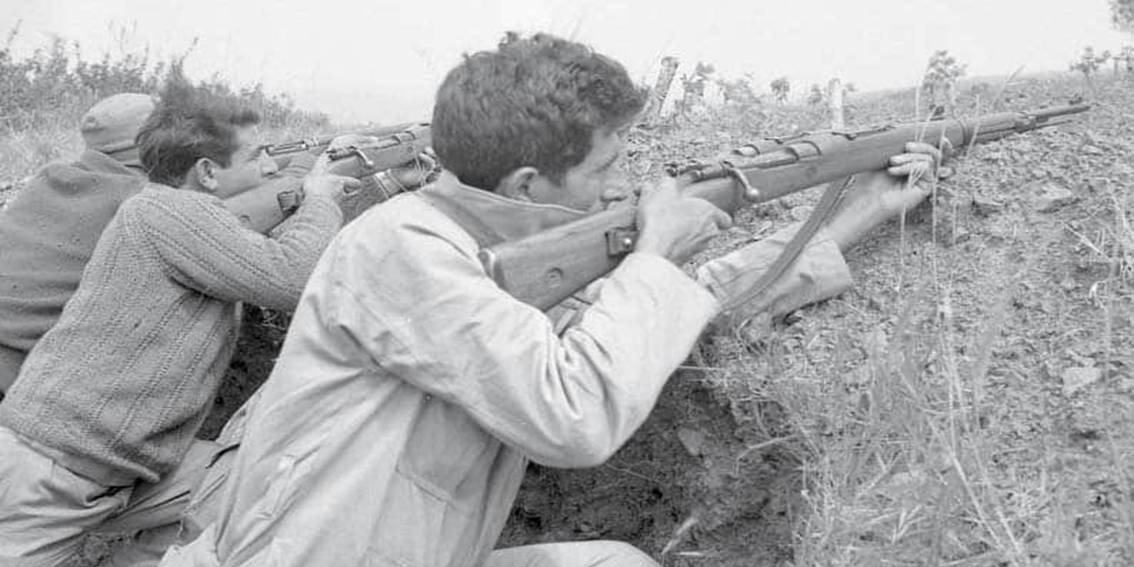
On August 6th, 1964, the National Guard launched an attack against the Turkish Cypriot enclave at Kokkina in Tylliria. The area functioned as a centre for the illegal trafficking of weapons from Turkey to TMT. The operation aimed to stop the supply of armed groups that terrorized the surrounding Greek villages.
The Unknown War of Tylliria lasted two days. National Guard forces advanced with difficulty over rough terrain, facing stiff resistance from well-fortified positions. Turkish Cypriot fighters had organized an effective defence, turning the conflict into a low-intensity exchange of fire.
Turkish Intervention
On August 8th, Turkey intervened decisively. Turkish F-100 Super Sabre fighter jets bombarded National Guard positions and neighbouring villages mercilessly. The patrol vessels of the Cypriot Naval Force, Faeathon and Arion, came under heavy attack. Faeathon burst into flames, with seven crew members losing their lives.
Turkish aircraft dropped napalm bombs against civilians in populated areas. The villages of Pachyammos, Pomos, and Kato Pyrgos suffered almost total destruction. The church, school, houses, and the makeshift National Guard hospital in Pachyammos turned to ash.
Casualties and Human Cost
The Turkish bombings caused dozens of casualties among civilians and soldiers. The region became desolate. Newspapers of the time described that in Pomos and Pachyammos “no one remains anymore”. Those not bearing arms had fled high into the mountains, into ravines, fearing new air raids.
The international community reacted immediately. The UN Security Council issued Resolution 193 on August 9th, calling on Turkey to cease bombings immediately and on Cyprus to order a ceasefire. The ceasefire took effect on August 10th, ending the five-day conflict.
Makarios Visits and Reconstruction
On August 16th, 1964, President Makarios visited the region. His first stop was Pomos. He then proceeded to Pachyammos, where he announced that the government would undertake the reconstruction of the village. Pachyammos became known as the “Phoenix village,” reborn from its ashes.
Kokkina Today
Today, Kokkina constitutes an enclave and military base of the pseudo-state. Until 2010, it remained accessible only by sea. The village still bears the marks of the battle. The cemetery contains 13 well-kept graves of Turkish Cypriots who died during the siege, and a museum dedicated to the defenders operates there.
Memory Remains Alive
Each year, the memory of the fallen and the victims receives honour with a national memorial service in the community of Pachyammos. The war of Tylliria did not remain in history merely as a battle. It became a symbol of sacrifice and resistance, proof that Greek Cypriots were determined to defend their freedom at any cost. This unknown war etched itself deeply into the soul of Cyprus and reminds every generation of the debt owed to those who fell for their homeland.