The Venetian Archtecture
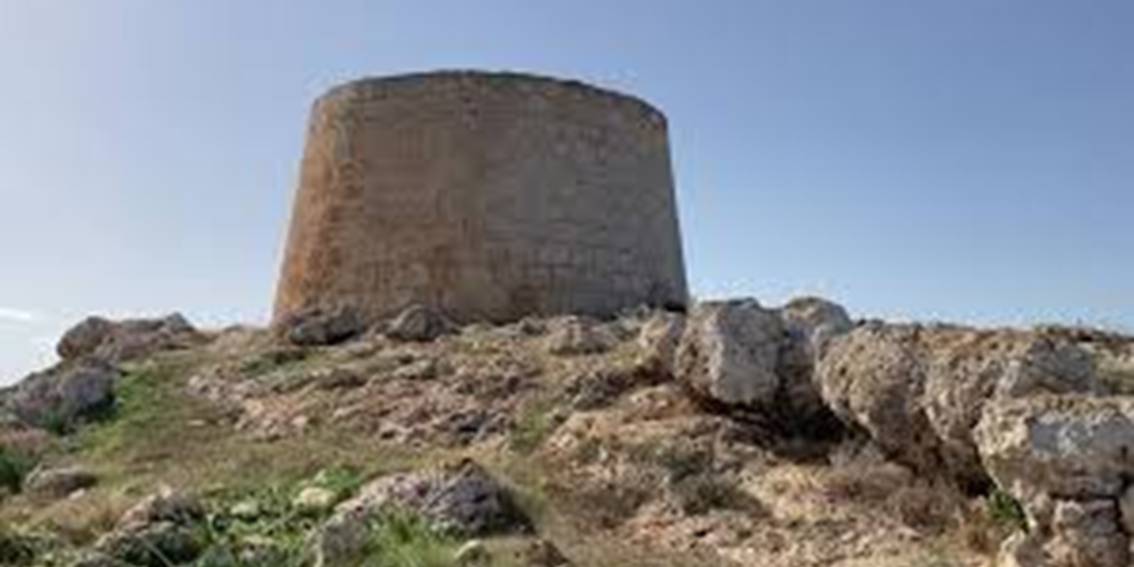
The Xylofagou Tower: In the Venetian era, Venetians created a chain of watchtowers along the southern coast for protection from the ottomans. The Xylofagou Tower, along with those of Pyla and Kiti, served as a strategic control point in the area. Why it stands out: It is built at an altitude of 100 metres. It offers a panoramic, unobstructed view from Larnaca to Cape Greco. It is one of the most impressive buildings in the Kokkinochoria. A timeless symbol of history with the most beautiful view of the endless blue!
A Silent Sentinel: The Purpose of the Xylofagou Tower
The Xylofagou Tower stands as a proud and solitary monument to a turbulent era in Cypriot history. The Venetians constructed this round stone tower in the 16th century, and it formed a critical part of their island-wide defence network. Unlike a traditional castle designed to house a garrison, this tower served a specific and vital purpose: it was an early warning station. Its strategic position on the south-eastern coast of Cyprus allowed lookouts to scan the horizon for the silhouette of an enemy sail. Upon sighting approaching Ottoman ships, the guards would light a beacon fire on the tower’s roof, sending a signal to other towers and to the fortified capital of Nicosia.
A Robust Architectural Design
The tower’s round design represents a deliberate and intelligent response to the threat of naval attack. Its circular shape provided no flat surfaces or corners for cannonballs to strike cleanly, instead deflecting their impact and reducing damage. The builders used local limestone, giving the structure an earthy, ochre hue that blends with the surrounding landscape. Thick walls, several metres deep at the base, ensured resilience against both bombardment and the ravages of time. A single, elevated entrance forced attackers to use ladders, making any assault difficult and dangerous for the invading force.
Life within the Watchtower
A small team of soldiers would have endured a monotonous and isolated existence within these walls. The interior, though compact, contained the essentials for a prolonged watch. A small cistern collected precious rainwater, securing the garrison’s water supply during a siege. A fireplace provided warmth during the cool Cypriot winters and a means to cook simple meals. The soldiers slept on basic pallets and spent their days staring at the endless blue of the Mediterranean, forever alert for the threat that would herald a bloody invasion.
The Shift from Venetian Bulwark to British Landmark
The tower’s military usefulness did not end with the Venetian defeat. The Ottomans, who conquered Cyprus in 1571, likely continued to use the structure for similar observation purposes. Centuries later, the British arrived on the island and repurposed the tower. During their colonial rule, they recognized its strategic value once more and used it as a police post and a signalling station. This continuous military use speaks to the site’s inherently strategic location, a fact recognized by successive powers for over 400 years.
The Tower Today: A Glimpse into the Past
Today, the Xylofagou Tower survives as a compelling historical attraction, largely unchanged from its original form. It stands in a field, accessible to visitors who wish to step inside and experience a piece of living history. The interior remains mostly bare, allowing the stonework and the structure itself to tell its own story. Climbing to the top rewards visitors with a breathtaking panoramic view of the coastline, the same vista that Venetian, Ottoman, and British soldiers once scanned. The Xylofagou Tower remains not just a relic, but a powerful and tangible link to the island’s rich and often violent past.