
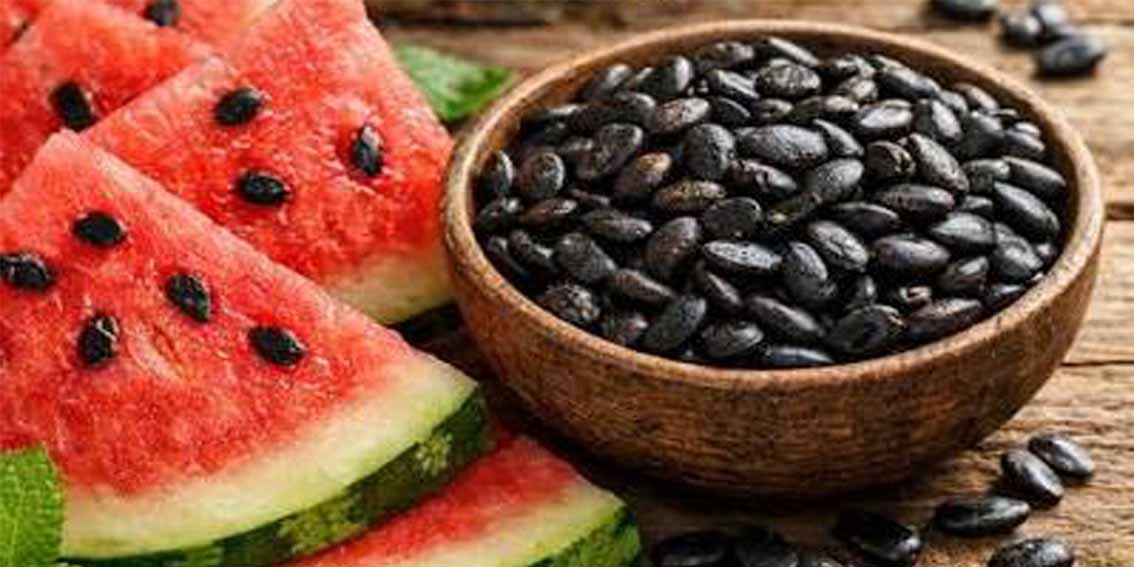
Watermelon Seeds: Rich Source of Essential Nutrients
Watermelon seeds provide high-quality nutrients. They contain magnesium, iron, zinc, and copper. These minerals support your body’s vital functions. For example, magnesium regulates your blood pressure and maintains heart health. Iron helps prevent anaemia by boosting your red blood cell production. You also get healthy fats and plant-based protein from these seeds.
Many people discard water melon seeds, but you should think twice. These small, flat seeds pack a powerful nutritional punch. You can eat them raw, roasted, or sprouted. They offer numerous benefits for your overall health.
Watermelon seeds Boosts Heart Health
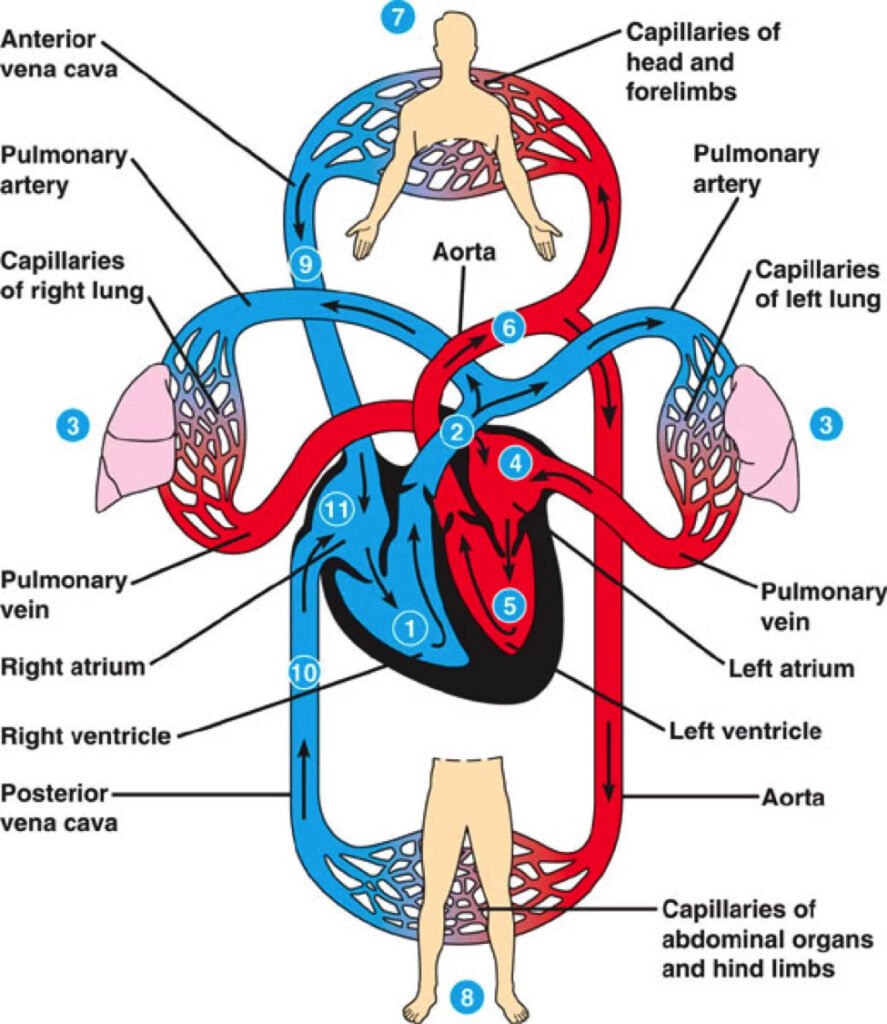
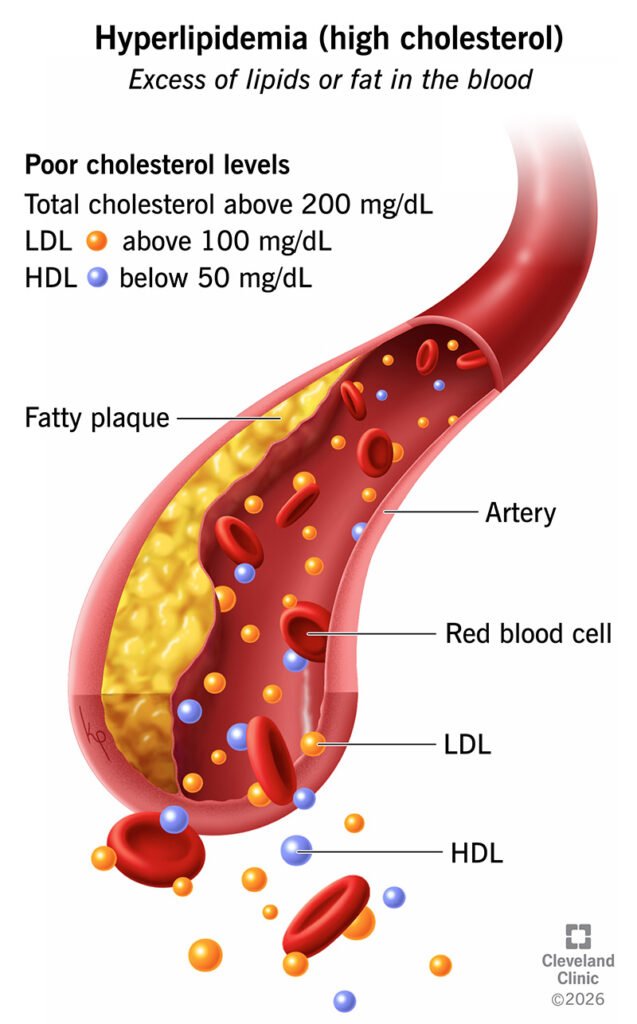

Watermelon seeds improve your cardiovascular system. The magnesium in them reduces hypertension. The seeds also contain monounsaturated and polyunsaturated fats. These fats lower bad cholesterol levels. As a result, you reduce your risk of heart attacks and strokes. Including these seeds in your diet strengthens your heart naturally.
Enhances Energy and Metabolism
You need energy for daily activities. Water melon seeds offer a natural energy boost. The B-complex vitamins, especially niacin and foliate, convert food into usable energy. The protein content also stabilizes your blood sugar levels. This prevents energy crashes. Eat a handful of roasted seeds to stay active throughout the day.


Watermelon Seeds Supports Healthy Skin and Hair
Water melon seeds promote glowing skin and strong hair. They contain antioxidants like vitamin E and lycopene. These compounds fight free radicals and slow down aging. The copper and zinc in the seeds stimulate collagen production. Collagen keeps your skin firm and your hair shiny. You can grind the seeds into a powder and add it to your smoothes or face masks.

Aids Digestion and Weight Management
These seeds support your digestive system. The fiber in them prevents constipation and promotes regular bowel movements. Additionally, the protein and healthy fats keep you full for longer. This reduces unnecessary snacking. As a result, water melon seeds help you maintain a healthy weight. You can sprinkle roasted seeds over salads or yogurt for a crunchy texture.
How to Include Them in Your Diet
Do not eat raw seeds directly from the fruit. Instead, wash and dry them first. Roast them in an oven or on a stovetop for 15–20 minutes. Add a pinch of salt or spices for flavour. You can also sprout them for added enzymes. Store roasted seeds in an airtight container for a quick, healthy snack.

Does Water Melon Seeds Help Erection in Men?
Yes, watermelon seeds may help support erectile function in men, but they work as a gentle, nutritional aid rather than a fast-acting medical treatment. Here is how they help and what you should know.
How Watermelon Seeds May Help with Erections
Watermelon seeds contain specific nutrients that play a role in the biological processes behind an erection. Healthy erections require good blood flow, balanced hormones, and relaxed blood vessels. The seeds support these factors in three main ways:
Mechanism
Improves Blood Flow
Key Nutrient
Citrulline
How It Helps
Your body converts. Citrulline into arginine, an amino acid that produces nitric oxide. Nitric oxide relaxes and widens blood vessels, a process essential for achieving an erection.
Supports Testosterone
Zinc & Magnesium
Zinc plays a direct role in testosterone production. Magnesium helps reduce stress and improves sleep quality, both of which affect hormone levels and sexual confidence.
Provides Antioxidants
Various compounds
These substances reduce oxidative stress, which can otherwise damage blood vessels and hinder circulation.
Several animal studies support these findings. Research on rats shows that various extracts of watermelon seeds, flesh, and rind can lead to:
- Increased testosterone and other reproductive hormone levels.
- Enhanced sperm quality and count.
- Improved erectile function and libido.
However, no large-scale human studies have specifically confirmed that watermelon seeds can treat erectile dysfunction.
Watermelon Flesh vs. Seeds
You might wonder if eating the fruit itself helps. While the red flesh contains citrulline, the seeds offer a different kind of support. The flesh provides a temporary blood-flow boost, but the seeds offer a more nutrient-dense option for long-term health. They contain higher concentrations of zinc, magnesium, and healthy fats that support ongoing hormone regulation and stamina.
For the best results, consider eating both the flesh and the roasted seeds.
Realistic Benefits vs. Medication
It is important to have realistic expectations. While watermelon seeds provide support, they cannot cure erectile dysfunction or replace medication like Viagra.
Feature Watermelon Seeds ED Medication (e.g., Viagra)
Primary Action Nutritional support over time Direct, potent vasodilation
Onset of Effect Gradual, with consistent use Fast-acting (within an Hour)
Evidence Animal studies, nutrient data Extensive human clinical Trials
Role Supportive, for general wellness Treatment for diagnosed ED
Think of the seeds as a long-term, natural support for your circulatory and hormonal health.
How to Use Them Safely
To get the benefits without any issues, follow these simple guidelines:
Preparation: Do not eat raw seeds directly from the fruit. Instead, wash, dry, and roast them in an oven or pan for 15–20 minutes. You can add a little salt or spices for flavour.
Daily Amount: Eat about one to two tablespoons of roasted seeds per day. You can sprinkle them on salads, yogurt, or blend them into smoothes.
Watch the Shell: The seeds have a tough outer shell that can be hard to digest. Chewing them well removes this concern.
A Note of Caution
Watermelon seeds are safe for most people, but keep these points in mind:
Phytates: The seeds contain compounds called phytates. In very large amounts, these can reduce your body’s ability to absorb minerals like zinc and iron.
Digestive Issues: Eating too many seeds may cause bloating or gas for some people.
If you struggle with erectile dysfunction, watermelon seeds can be a healthy addition to your diet. However, you should speak with a doctor for a proper diagnosis and to discuss the most effective treatment options for your specific situation.