During the 1974 Turkish Invasion: The Fall of the Junta and the Invasion
Operation Victory: In July 1974, Greece was in turmoil. The military junta that had ruled since 1967 was collapsing. Seizing this moment of chaos, Turkey launched an invasion of Cyprus on July 20, 1974, under the codename “Operation Attila.” The Turkish government claimed it was acting to protect the Turkish Cypriot minority following a coup by Greek Cypriot nationalists seeking enosis (union with Greece).
As Turkish forces advanced, capturing territory and pushing toward Nicosia, the Greek leadership decided to send military reinforcements to the embattled island.
The Birth of Operation Victory
Operation Victory emerged as a desperate attempt to strengthen the defence of Nicosia, particularly its international airport—a strategic asset that could determine the course of the war.
The mission called for transporting elite Greek commando units from Crete to Cyprus under cover of darkness. The First Commando Squadron, commanded by Major Georgios Papameletiou, received the assignment.
A Flawed Execution
The operation unfolded in the early hours of July 22, 1974. Noratlas transport aircraft took off from Souda Air Base in Crete, carrying commandos toward Nicosia.
Several critical failures plagued the mission
Inadequate coordination: Greek Cypriot anti-aircraft units had not received notification that Greek military aircraft were inbound
Limited intelligence: Commandos had no information about conditions on the ground
Hasty planning: Papameletiou received his orders through vague telephone calls, not encrypted military signals
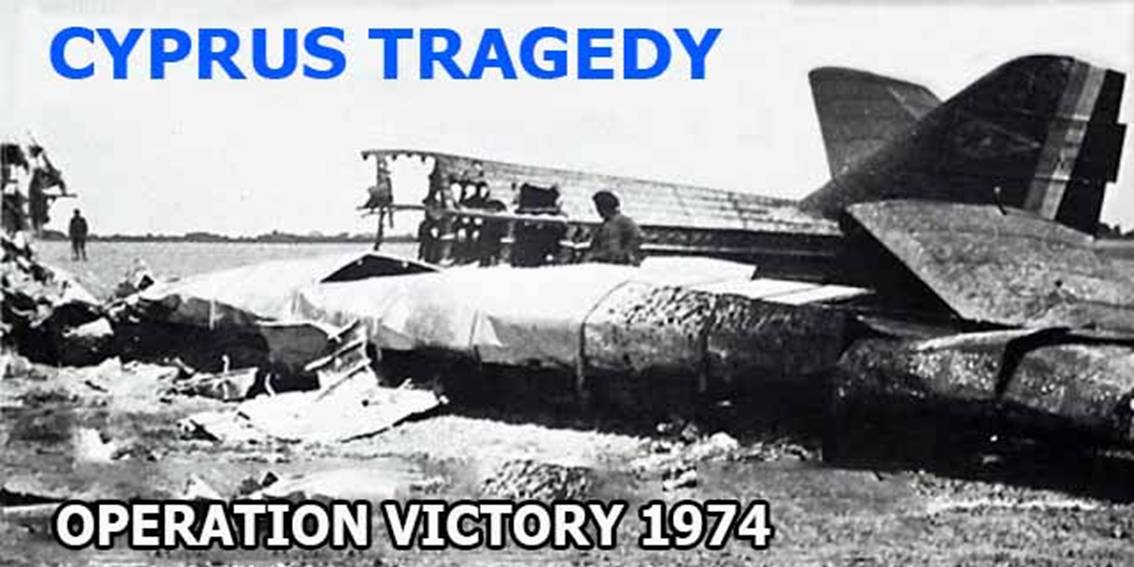
The result proved catastrophic. One aircraft, “Niki 4,” took friendly fire and crashed near Nicosia airport. Another, “Niki 7,” sustained damage but landed, though two commandos died.
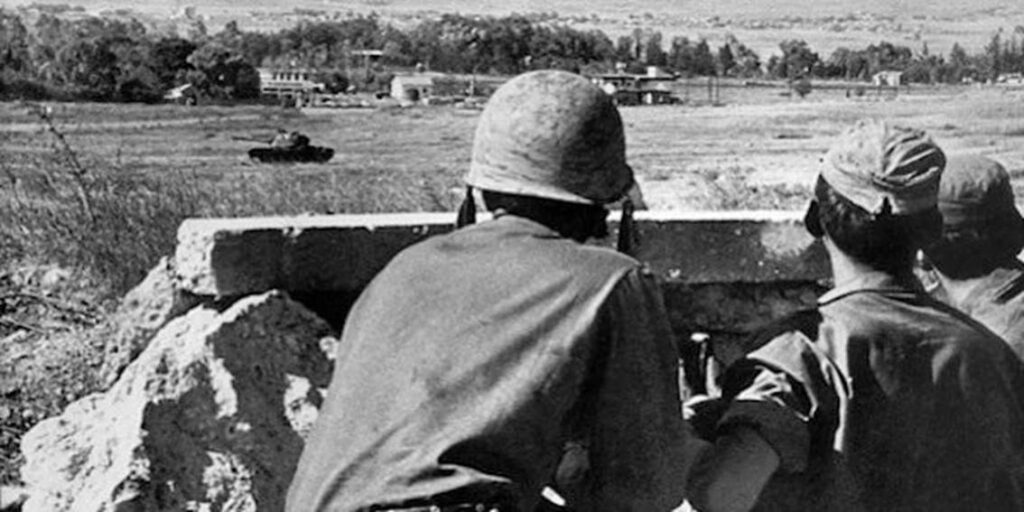
The Battle for Nicosia Airport
Despite the disastrous arrival, Papameletiou gathered his scattered men and organized the defence of the airport. Turkish forces had advanced dangerously close—within 200 meters of the airport gate, Papameletiou later recalled.
What followed was a fierce firefight lasting approximately ninety minutes. The fighting involved small arms, machine guns, and anti-tank weapons. A Greek commando, positioned on a rooftop with Lieutenant Benos, reportedly killed twelve Turkish soldiers with a single shot as they attempted to flee.
According to intercepted Turkish signals, a 150-strong Turkish force with four tanks had been dispatched specifically to seize the airport before it could pass to United Nations control.
The Ceasefire and Aftermath
UN peacekeeping forces eventually intervened, raising white flags and ordering both sides to cease fire. The commandos handed control of Nicosia airport over to the Blue Helmets.
The operation carried deep significance. Historians argue that by holding the airport, the Greek commandos prevented Turkish forces from capturing this strategic location, which influenced the subsequent course of the war. The defence bought time and denied Turkey a critical objective.
Controversies and Criticisms
Papameletiou later voiced bitter criticisms about the operation:
ELDYK’s silence: The Greek Forces in Cyprus (ELDYK) camp, located nearby, did not fire a single shot during the engagement. Papameletiou claimed they feared accusations of violating the truce, even as Turkish forces advanced.
Poor leadership: Major George Papadopoulos, responsible for airport defence, never came to meet the commandos after the ceasefire.
Friendly fire tragedy: The downing of “Niki 4” became a symbol of the disastrous coordination between Greek military command and Greek Cypriot forces.
Legacy
Operation Victory remains one of the most dramatic and controversial missions in Modern Greek military history. It exemplifies both the bravery of Greek commandos fighting under impossible conditions and the failures of command and coordination that marked the 1974 Cyprus crisis.
For Georgios Papameletiou, the operation defined his legacy. He continued serving until his retirement as a brigadier general in 1983 and passed away on March 17, 2018—a day that now marks the memory of a man who led one of Cyprus’s most important battles.