The Malounta Stone Bridge: Cyprus’s Hidden Historical Treasure
The Malounta stone bridge stands as one of Cyprus’s hidden historical treasures, nestled in the foothills of the Troodos Mountains. This centuries-old structure represents the island’s rich architectural heritage and its traditional rural life.
Location and Setting
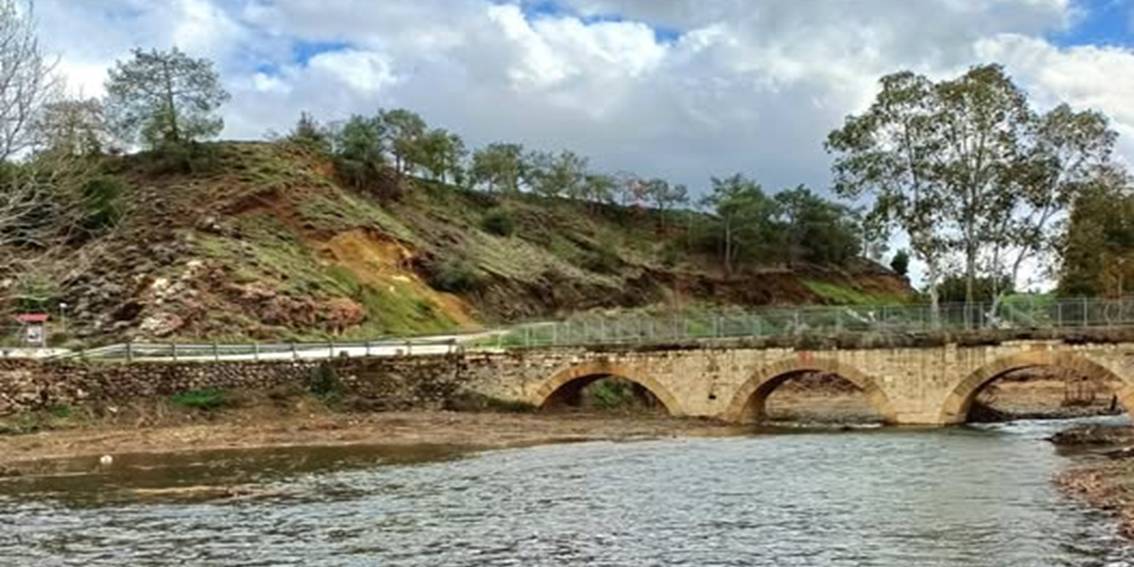
The Malounta stone Bridge spans a watercourse near the village of Malounta, which lies approximately 26 kilometres south-west of Nicosia. The bridge forms part of the picturesque landscape surrounding the Malounta Dam, an earth-fill dam constructed in 2007. Visitors approaching the area encounter a peaceful scene of rolling hills, orchards, and the azure expanse of the reservoir.
The region experiences a mild climate with low annual rainfall, and the village itself stands 450-470 metres above sea level . The surrounding area features breathtaking hilly landscapes. In spring, pink meadows bloom across the hillsides. White clouds of blossoming almond trees dot the countryside
Historical Significance
The Malounta Bridge holds such cultural importance that authorities included it in Cyprus’s tentative list for UNESCO World Heritage Site status in 2002. This nomination recognises the bridge as a property of cultural heritage worthy of international protection and acknowledgment.
The broader Malounta region contains significant archaeological evidence of ancient habitation. Excavations have revealed ruins and burial sites from the Archaic, Classical, and Roman periods. Greek migrants from Arcadia first settled this area during the late Bronze Age, and it later formed part of the ancient kingdom-polis of Tamassos, a region renowned for its copper mining and metal-processing industries .
Architectural Features
The Malounta Bridge exemplifies traditional Cypriot stone bridge construction. Built entirely from local stone, its design reflects the craftsmanship of earlier centuries when skilled masons created durable structures that could withstand seasonal water flows.
The bridge’s architecture follows the characteristic single-arched design common to many Venetian-era bridges on the island. Its sturdy construction has allowed it to survive through centuries of use and changing environmental conditions.
The Surrounding Landscape
Today, visitors can appreciate the bridge in the context of the Malounta Dam’s recreation area. The site offers a “relaxation zone” with crushed stone parking, benches, and planted trees and ornamental shrubs . When the reservoir fills during spring months, waters cascade over the dam’s 38-metre height, creating an unforgettable scene observable from the bridge .
The banks around the reservoir grow thick with tall reeds and fragrant rosemary bushes that burst into purple blossom, attracting numerous bees on sunny days. This rich natural environment enhances the bridge’s setting and provides visitors with a complete experience of Cypriot rural beauty.
Preservation and Recognition
The Malounta Bridge’s inclusion on the UNESCO tentative list demonstrates official recognition of its value to Cyprus’s cultural heritage. This status helps ensure the monument receives appropriate attention for preservation and maintenance.
The bridge stands alongside other important Cypriot structures on the tentative list, including the Klirou Bridge, the rural settlement of Fikardou, and the Church of Panayia Chrysokourdaliotissa. Together, these sites represent the diverse cultural heritage that Cyprus offers to the world.
Visiting the Bridge
Travelers can reach the Malounta Bridge by turning off the Nicosia-Agros motorway and passing through the villages of Arediou and Malounta. The journey rewards visitors with scenic views of the Troodos foothills and the opportunity to explore a region steeped in history.
The bridge offers a tangible connection to Cyprus’s past, standing as a testament to the island’s traditional architecture and the communities that built and maintained these vital structures for generations.