
Original price was: €55.00.€40.00Current price is: €40.00.
Handmade Tuscan Leather Wallet | Full-Grain Vegetable-Tanned | Italian Craftsmanship | Slim Cardholder with Patina Aging
43 SOLD
1 LEFT
Heritage & Origin (The Tuscan Stamp)
This wallet is crafted in the historic workshops of Tuscany, Italy—specifically within the province of Florence or the neighbouring tanning hub of Santa Croce sull’Arno, where leather artistry has flourished since the Renaissance. It proudly bears the hallmark of the Consorzio Vera Pelle Italiana Conciata al Vegetale, a certification guaranteeing that the leather was tanned using traditional methods in Tuscany.
Description
Handmade Tuscan Leather Wallet | Full-Grain Vegetable-Tanned | Italian Craftsmanship | Slim Cardholder with Patina Aging
Heritage & Origin (The Tuscan Stamp)
This wallet is crafted in the historic workshops of Tuscany, Italy—specifically within the province of Florence or the neighbouring tanning hub of Santa Croce sull’Arno, where leather artistry has flourished since the Renaissance. It proudly bears the hallmark of the Consorzio Vera Pelle Italiana Conciata al Vegetale, a certification guaranteeing that the leather was tanned using traditional methods in Tuscany. This is not a factory-stamped accessory; it is a hand-sculpted piece of functional art, born from a lineage of maestri pelletteri (master leather workers) who treat each wallet as a miniature canvas.
The Leather (Full-Grain Tuscan Bovine)
The Hide: The wallet is cut from the finest full-grain bovine hide, sourced from European steer raised in temperate climates. By retaining the outermost, untouched layer of the skin, it preserves the natural pore structure, fine wrinkles, and subtle organic markings that authenticate its genuine origin. No heavy pigments or plastic coatings are used to mask the surface; the leather breathes freely and remains supple yet incredibly durable.
Vegetable Tanning (Concia al Vegetale): The hide undergoes a slow, sacred tanning ritual lasting up to 40 days. It is steeped in large wooden vats filled with natural tannins extracted from Tuscan chestnut bark, mimosa pods, and quebracho wood. This ancient method chemically bonds the tannins to the collagen fibres, resulting in leather that is dense, firm, and structurally sound—able to withstand the daily friction of pockets for decades.
The Brown Colour Palette (A Symphony of Earth Tones)
The “Brown” of this wallet is not a single, flat shade but a rich, multidimensional spectrum. It is typically offered in one of these signature Tuscan hues:
Tobacco (Tabbacco): A warm, earthy mid-brown reminiscent of aged cigar wrappers, with subtle golden undertones that catch the light.
The dye is applied via hand-sponging or tumble-dyeing with aniline-based, transparent colorants. This technique allows the natural grain and veining of the hide to remain visible beneath the colour, giving the wallet a living, organic depth that synthetic dyes cannot replicate.
Olfactory & Tactile Experience
Scent: The moment you unwrap the wallet, your senses are met with an intoxicating, primal fragrance—a heady blend of sun-baked earth, sweet wood resin, beeswax, and pure, clean leather. This aroma is intrinsic to the vegetable-tanning process and will subtly perfume your pockets for years, growing richer with age.
Texture: The surface feels waxy, slightly matte, and velvety to the touch—what artisans call a “pelle vellutata” (velvety leather). It is initially firm and structured, conveying immediate quality and heft, yet it possesses gentle, organic warmth that invites handling.
Artisanal Construction & Stitching
Hand-Cutting: Each piece of the wallet—the outer shell, card slots, and bill compartments—is meticulously measured and hand-cut using a traditional crescent-shaped knife. This precise, manual cutting ensures clean, sharp edges and follows the natural fibre direction of the hide to maximize tear resistance.
Saddle Stitching (Cucitura a Sella): The entire wallet is assembled using the ancient two-needle saddle-stitch technique. Artisans use a single length of waxed, high-tenacity linen or polyester thread—often in a contrasting cream, beige, or tonal brown—passing it through pre-punched diamond-shaped awl holes. This creates a distinctive, slightly angled stitch line that is not only beautiful but supremely
functional: if one stitch breaks, the neighbouring stitches hold tight, preventing catastrophic failure.
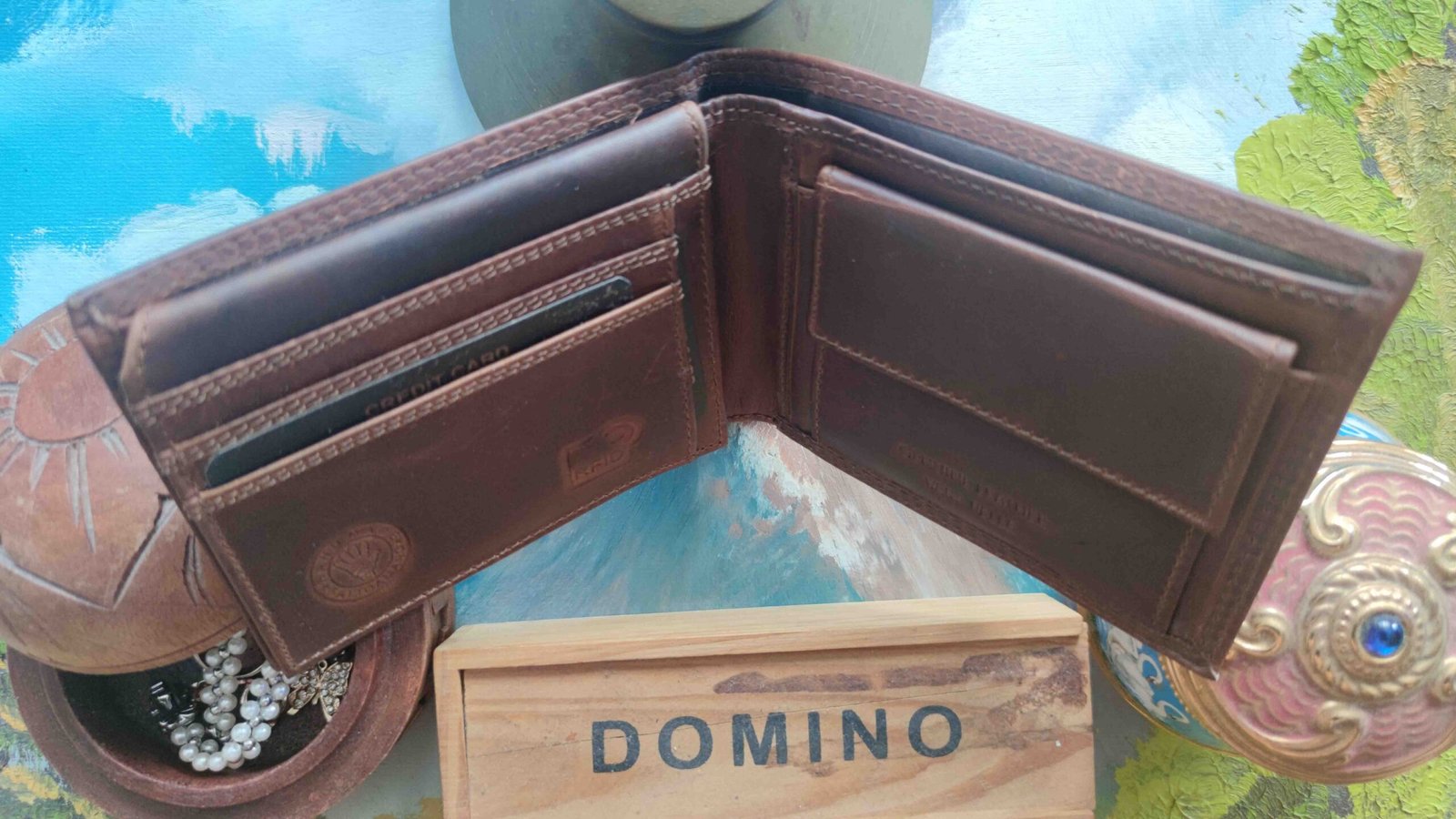
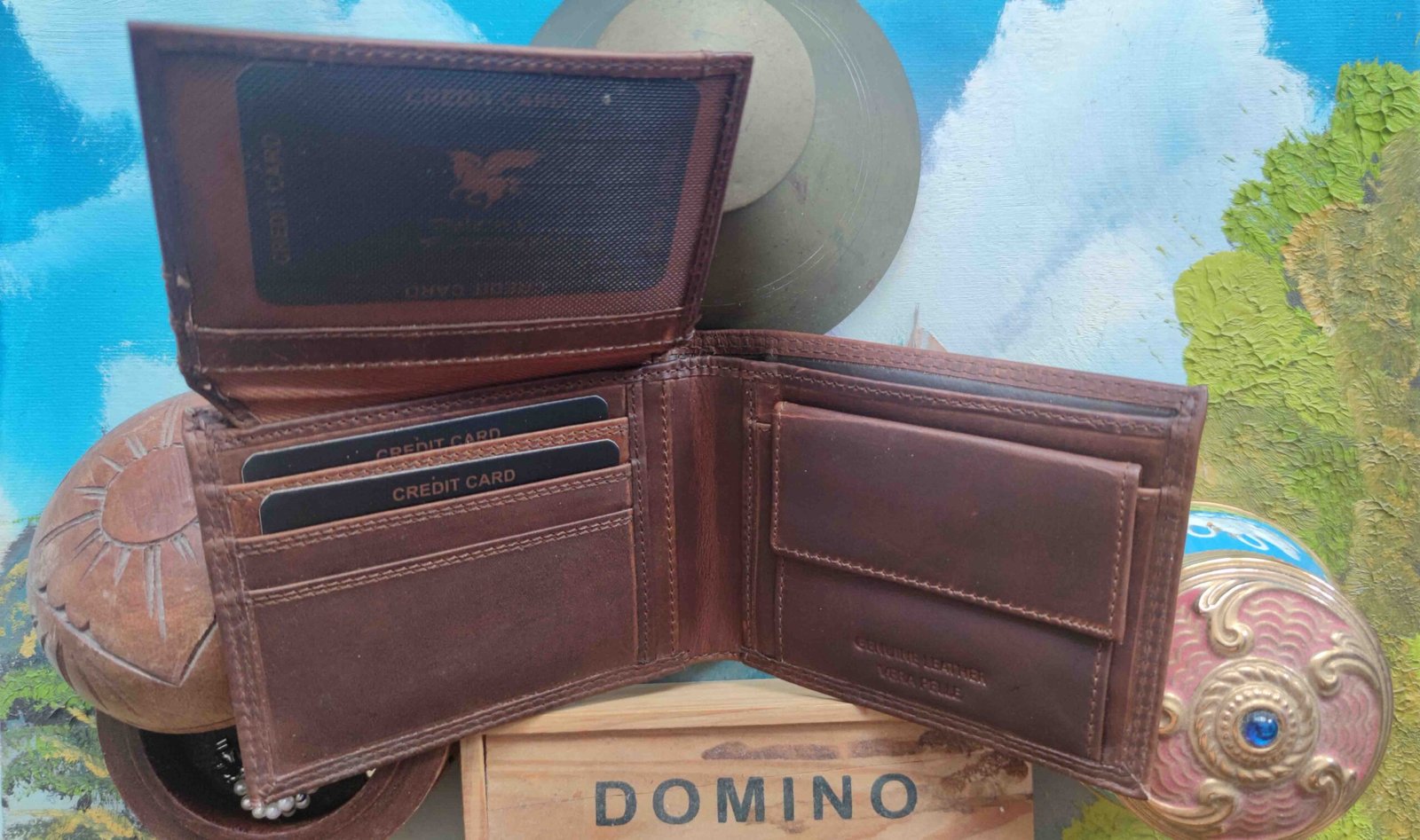
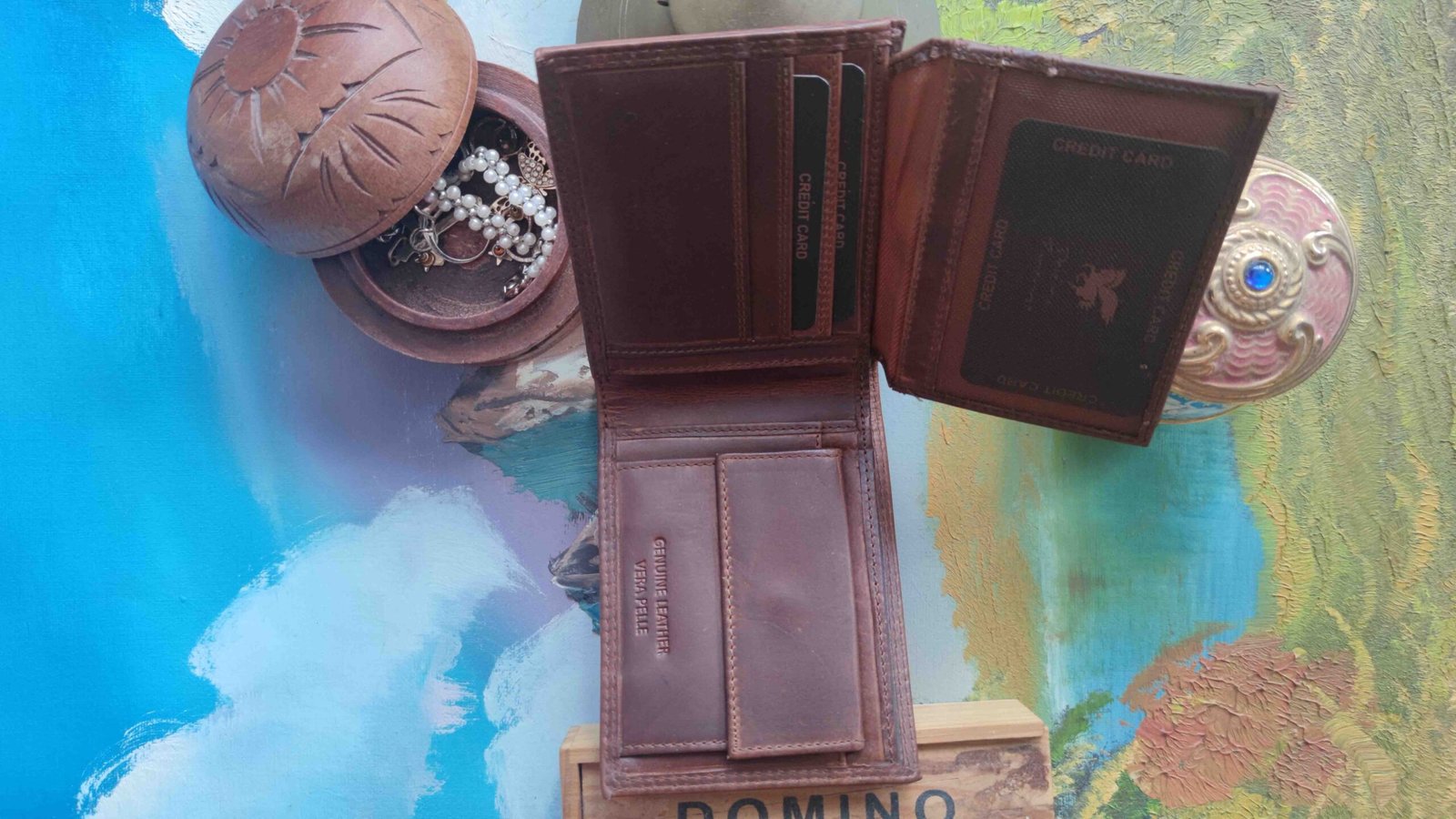
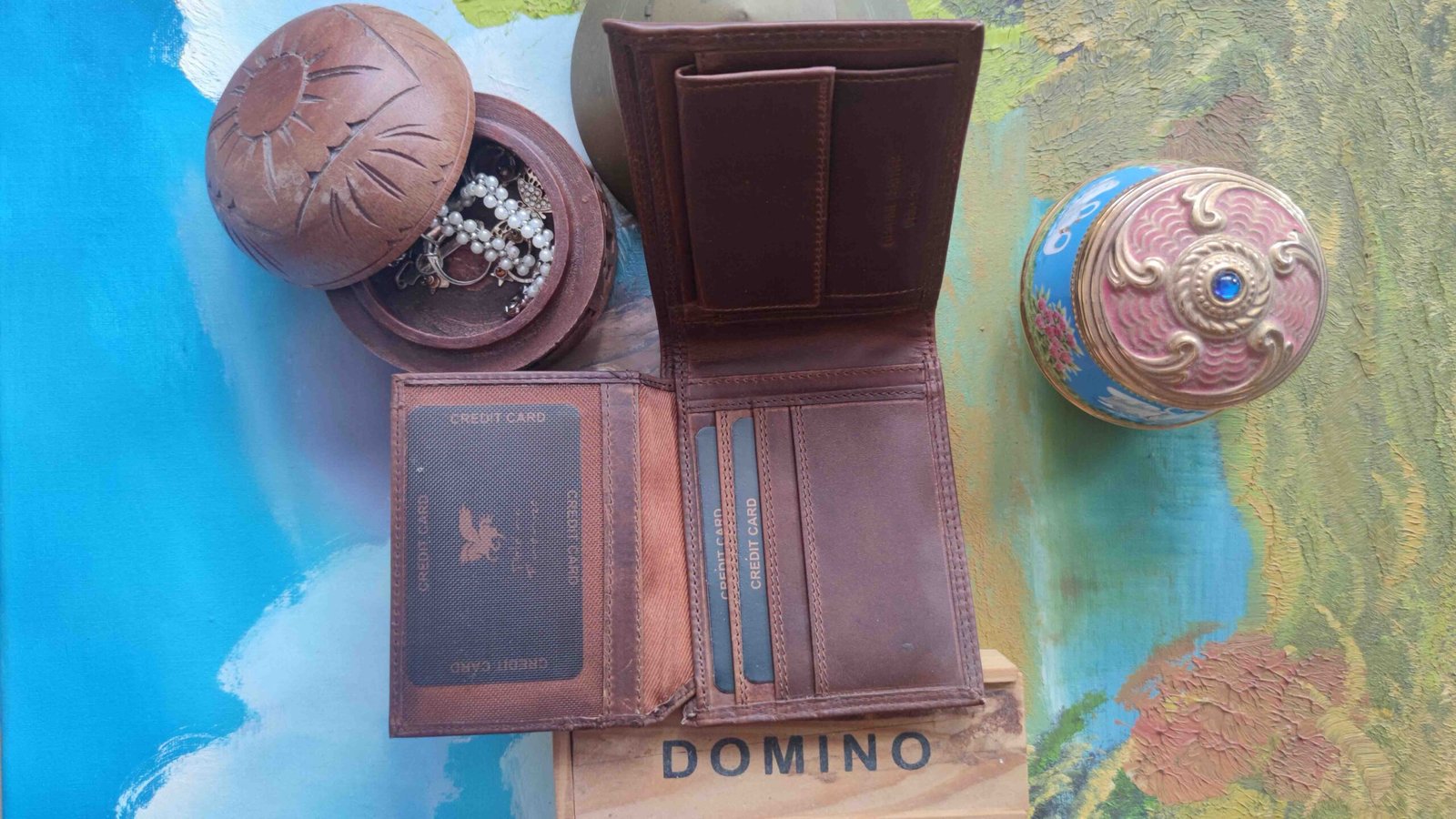
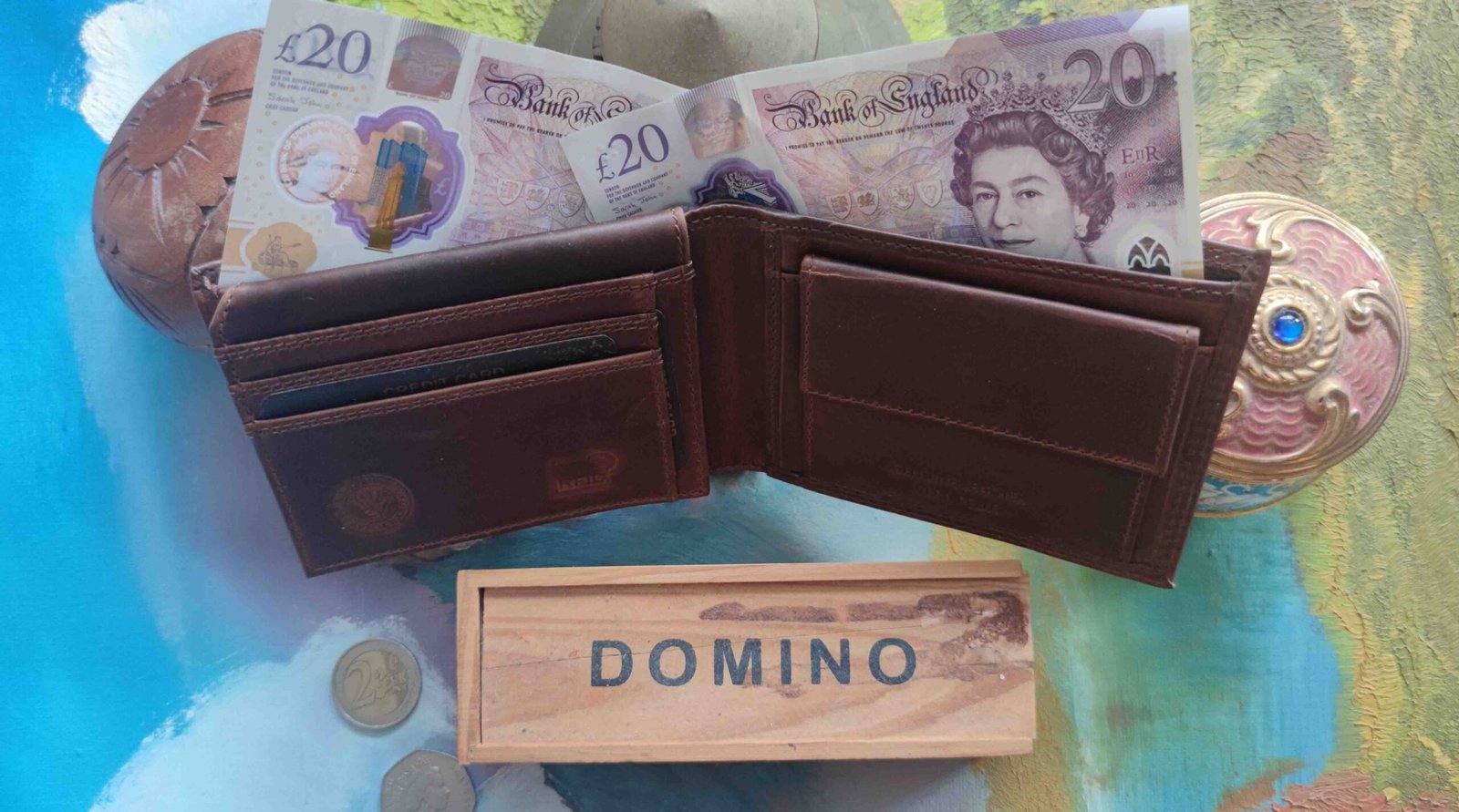
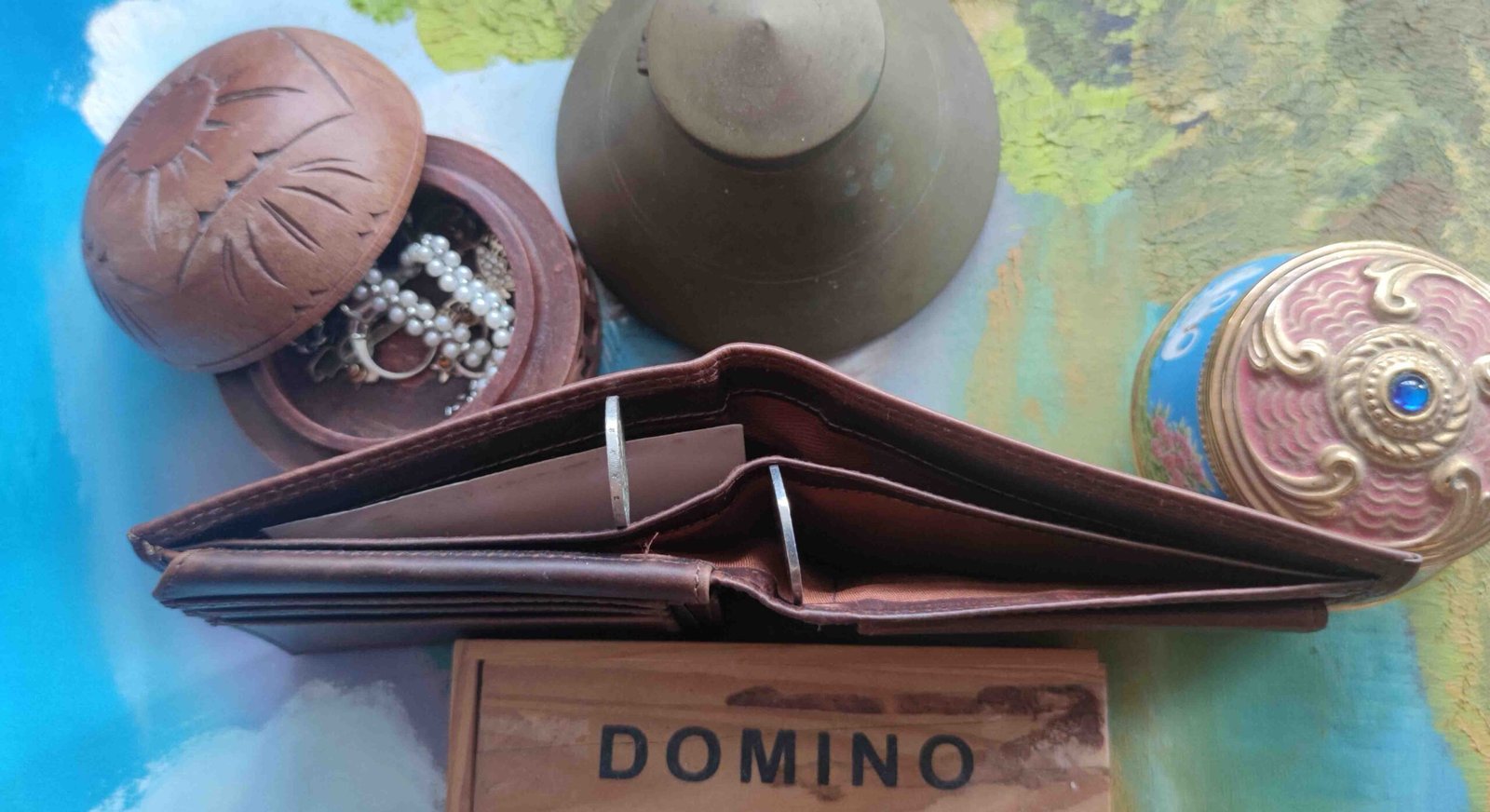
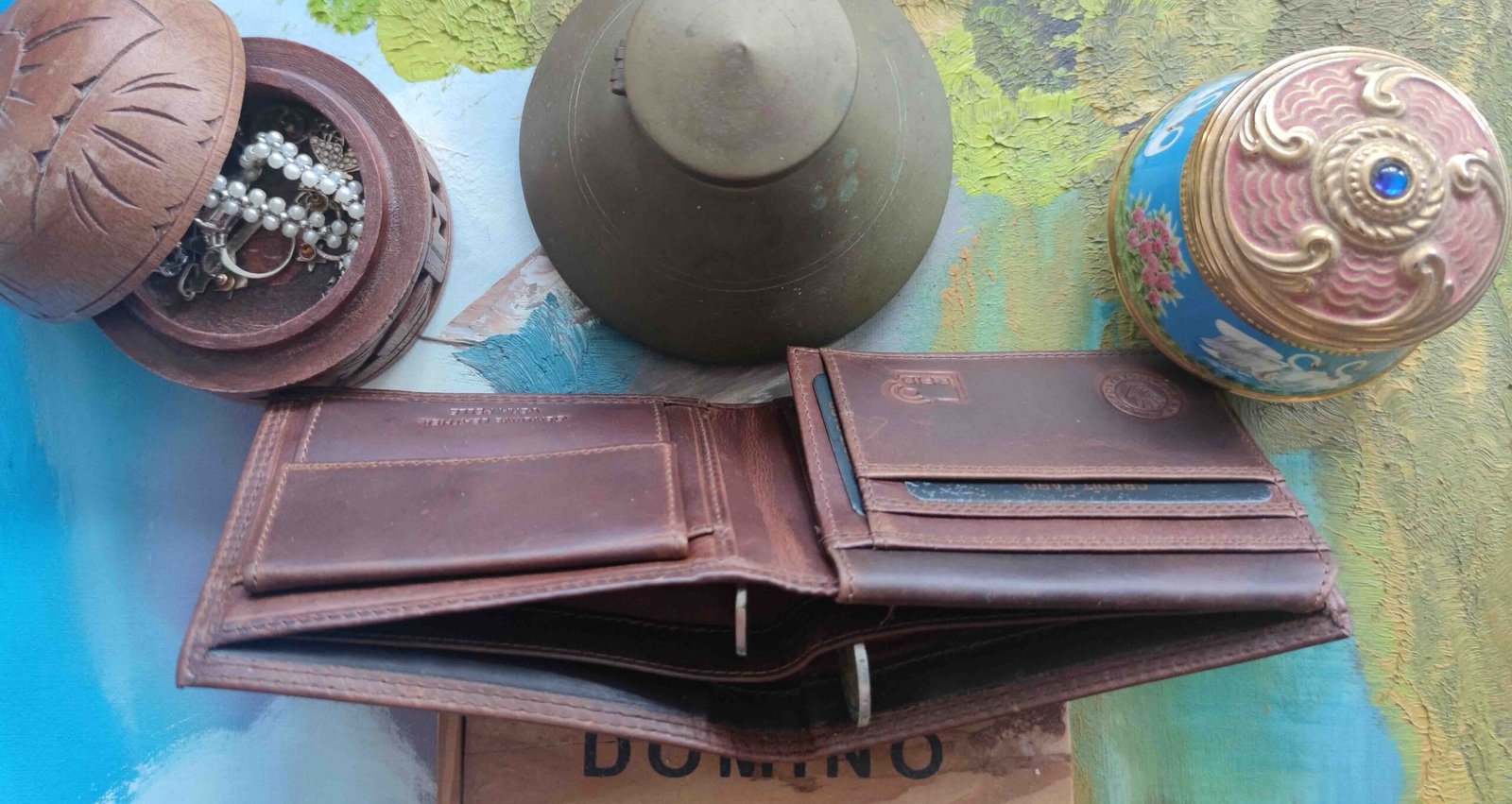
Internal Layout: The wallet typically features a classic bi-fold or tri-fold design, including:
6 to 8 card slots (individually cut and stitched, not glued).
2 full-length bill compartments for currency, receipts, or notes.
A hidden coin pocket (in some models) with a hand-stitched edge.
Edge Burnishing (The Hallmark of Quality): Instead of brittle, cracking edge paint, the exposed edges are subjected to a painstaking burnishing process. The artisan applies layers of natural beeswax and gum tragacanth, and then rubs the edges with a wooden slicker at high speed. The friction melts the wax into the exposed leather fibres, sealing them into a smooth, darkly translucent, glass-like finish that is impervious to moisture and fraying.
Dimensions & Proportions
Closed Size: Typically measures approximately 12 cm x 9 cm (4.7 x 3.5 inches) for a classic bi-fold—perfectly proportioned to slip comfortably into front or back pockets without creating an unsightly bulge.
Thickness: The leather is cut to a robust 1.8 to 2.2 mm in thickness. While substantial, the individual panels are skived (thinned) at the fold points and edges to ensure the wallet folds smoothly and does not become overly bulky when fully loaded.
The Magic of Patina (The Living Brown)
This is the wallet’s most extraordinary attribute. Because it lacks a heavy synthetic topcoat, the brown leather is a living, breathing material. Over days, weeks, and years, it actively absorbs:
The natural oils and sweat from your hands and pocket.
The friction of daily handling.
UV rays from sunlight.
As a result, the colour deepens, warms, and transforms dramatically. A Tobacco brown wallet will evolve into a luxurious, glossy mahogany with stunning auburn highlights. This wallet will develop a rich, ruby-tinged glow akin to polished antique furniture. Minor scuffs, scratches, and creases are not flaws but cherished segni Del tempo (signs of time)—they are absorbed into the leather’s memory, creating a unique, personalized patina that tells the story of your life and cannot be replicated by any factory process.
Break-in & Wear-ability
Upon first use, the wallet feels noticeably firm and may open a bit stiffly. However, after approximately 1 to 2 weeks of daily use, the vegetable-tanned fibres begin to relax and memory-form to the exact contour of your back pocket or the specific arrangement of your cards. It softens precisely where it needs to, becoming an extension of your daily routine—rigid enough to protect your cards from bending, yet supple enough to close effortlessl
Care, Longevity & Sustainability
To ensure this brown treasure lasts a lifetime (and beyond):
Nourishment: Apply a tiny amount of natural beeswax balm or pure neat’s-foot oil once or twice a year to replenish lost oils, especially at the crease points and edges. This will keep the brown colour vibrant and prevent the leather from drying out.
Cleaning: Wipe gently with a soft, dry cotton cloth. For stains, use a slightly damp cloth and allow it to air-dry away from direct heat sources (which can stiffen the fibres).
Water Resistance: While burnished edges offer some protection, the porous leather should not be soaked. If caught in rain, pat dry and allow to naturally air-dry, then gently massage to restore flexibility.
Heirloom Durability: With basic, minimal care, this Tuscan wallet is engineered for 30 to 50 years of daily service. It is a sustainable, zero-waste investment—a conscious rejection of fast-fashion leather goods, crafted from biodegradable, renewable materials that grow richer and more profoundly brown with every passing year.
Related products
-
Sale!
HANDMADE HIGH QUALITY COWHIDE REAL LEATHER WALLET MADE IN COLOMBIA
Original price was: €18.75.€12.00Current price is: €12.00. Add to basket -
Sale!
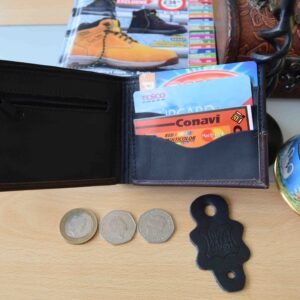
HANDMADE HIGH QUALITY COWHIDE REAL LEATHER WALLET MADE IN COLOMBIA
Original price was: €20.85.€14.00Current price is: €14.00. Add to basket -
Sale!
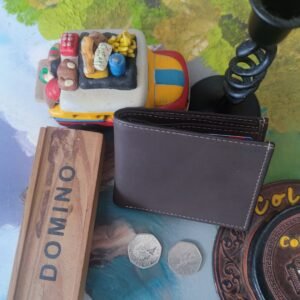
HANDMADE HIGH QUALITY COWHIDE REAL LEATHER WALLET MADE IN COLOMBIA
Original price was: €18.75.€12.00Current price is: €12.00. Add to basket -
Sale!
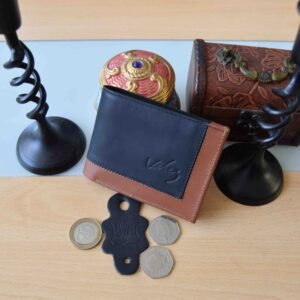
HANDMADE HIGH QUALITY COWHIDE REAL LEATHER WALLET MADE IN COLOMBIA
Original price was: €22.75.€14.00Current price is: €14.00. Add to basket